
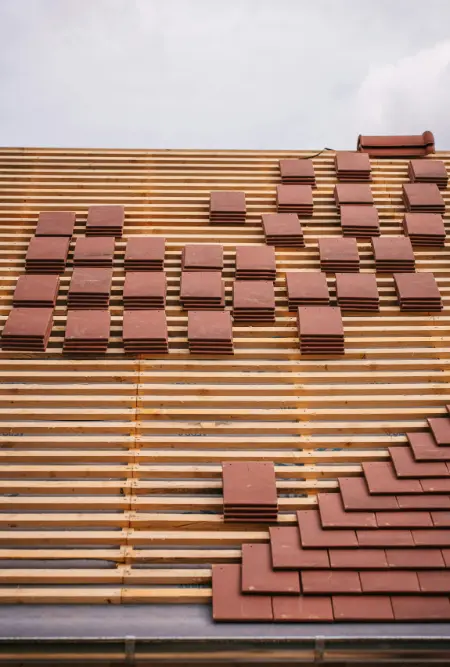
A roof is one of the most critical components of any home, providing protection against the elements and contributing to overall structural integrity. While roofs are designed to last for decades, their actual lifespan depends on a variety of factors. Homeowners who understand these influences can take proactive steps to extend the life of their roof, minimize costly repairs, and maintain the value of their property. From material selection to ongoing maintenance, each factor plays a vital role in determining how long a roof will remain effective.
Quality of Materials
The type and quality of roofing materials used are among the most significant determinants of roof lifespan. Asphalt shingles, for example, typically last 20 to 30 years, while metal, slate, or tile roofs can endure for 50 years or more. Premium materials are engineered to resist weathering, UV exposure, and physical damage more effectively than budget alternatives. While higher-quality materials often come with a greater upfront cost, they provide long-term value by reducing the need for frequent replacements. Homeowners should carefully consider their climate, budget, and aesthetic preferences when selecting roofing materials to ensure durability and performance.
Installation Practices
Even the best materials will fail prematurely if they are not installed correctly. Proper installation requires skilled craftsmanship, adherence to manufacturer guidelines, and attention to detail. Mistakes such as misaligned shingles, poorly sealed flashing, or inadequate ventilation can lead to leaks and structural issues. A roof that is installed with precision will not only last longer but also perform more efficiently. Choosing experienced contractors who prioritize quality over speed is essential. Homeowners should verify credentials, request references, and ensure that installation practices meet industry standards to maximize roof lifespan.
Climate and Environmental Conditions
The environment in which a roof exists has a direct impact on its longevity. Roofs in regions with heavy rainfall, snow, or high humidity are more prone to water damage and mold growth. Conversely, roofs in hot, sunny climates may experience accelerated wear due to UV exposure and thermal expansion. Wind, hail, and salt air in coastal areas also contribute to faster deterioration. While homeowners cannot control the weather, they can mitigate its effects by selecting materials suited to their environment and scheduling regular inspections. Understanding how climate influences roof performance helps homeowners make informed decisions about maintenance and replacement.
Maintenance and Upkeep
Routine maintenance is one of the most effective ways to extend roof lifespan. Tasks such as cleaning gutters, trimming overhanging branches, and inspecting for damage help prevent small issues from escalating into major problems. Regular checkups allow homeowners to identify cracked shingles, loose flashing, or clogged drainage systems before they compromise the roof’s integrity. Prompt action, including professional roof repair, ensures that minor damage does not shorten the roof’s lifespan. A proactive approach to maintenance not only protects the roof but also saves money by reducing the need for extensive repairs or premature replacement.
Ventilation and Insulation
Proper ventilation and insulation are often overlooked but play a crucial role in roof durability. Without adequate airflow, heat and moisture can build up in the attic, leading to mold growth, warped shingles, and reduced energy efficiency. Similarly, poor insulation can cause uneven temperatures, increasing stress on roofing materials. Installing ridge vents, soffit vents, or attic fans helps regulate airflow, while quality insulation stabilizes indoor temperatures. Together, these measures protect the roof from premature wear and improve overall home comfort. Homeowners who invest in proper ventilation and insulation not only extend roof lifespan but also enhance energy efficiency.
Conclusion
The lifespan of a roof is determined by a combination of factors, including material quality, installation practices, climate conditions, maintenance, and ventilation. By understanding these influences, homeowners can take proactive steps to protect their investment and ensure that their roof provides reliable protection for decades. A durable roof is not just about longevity; it is about safeguarding the home, enhancing efficiency, and maintaining property value. With thoughtful planning and consistent care, homeowners can maximize the performance and lifespan of their roofing system.
Also Read-Counterattacking-Based Premier League Betting Techniques
