What is Fashion Jewelry: The Complete Guide to Affordable Style
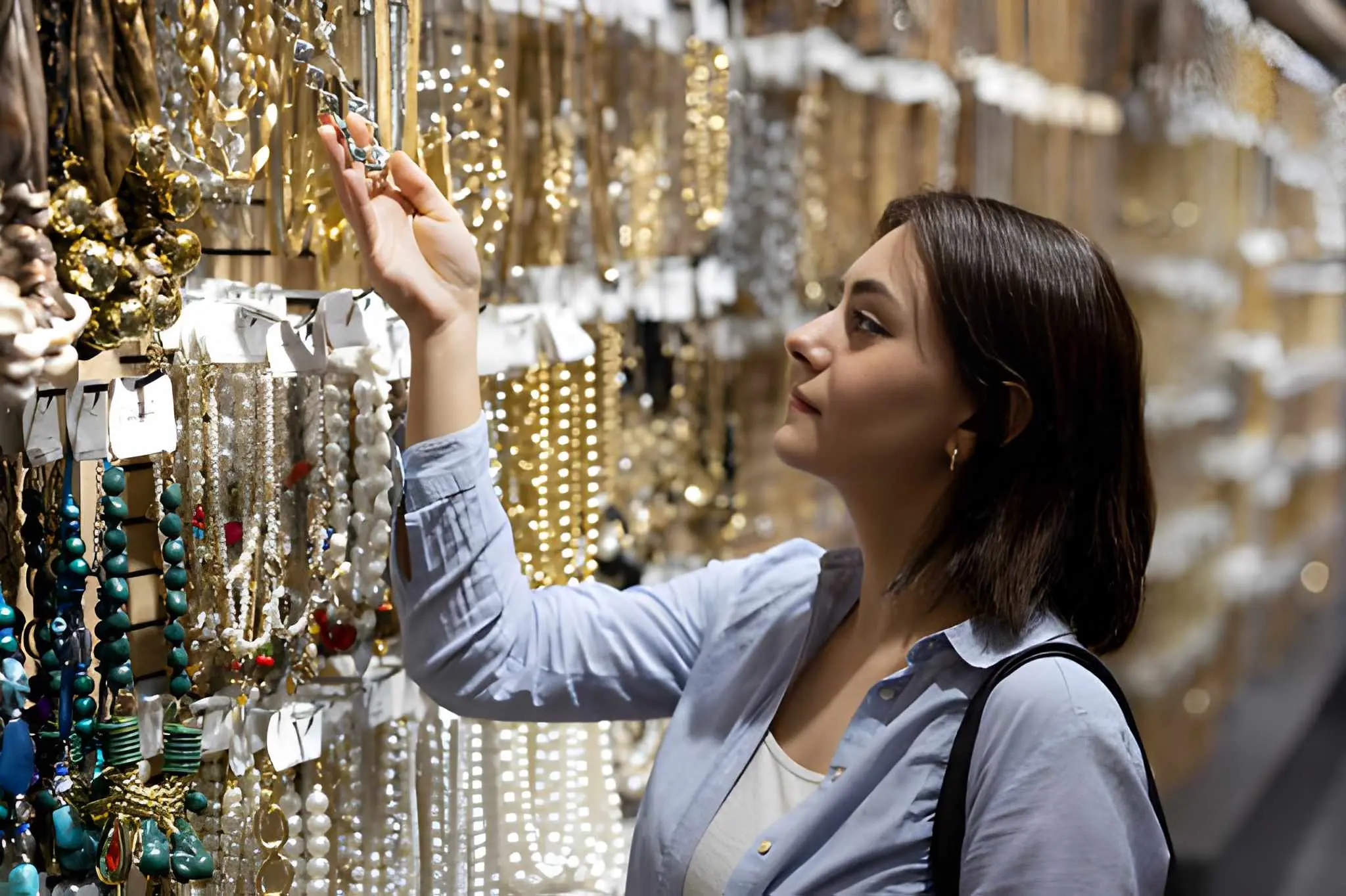
Fashion jewelry has transformed how people express personal style without breaking the bank. Also known as costume jewelry or imitation jewelry, fashion jewelry refers to decorative accessories made from non-precious materials designed to complement outfits and follow current trends at accessible price points.
Unlike fine jewelry that uses precious metals and natural gemstones, fashion jewelry incorporates base metals, plated finishes, and synthetic stones to create stylish pieces ranging from $5 to $100. This affordability allows you to experiment with bold designs, swap pieces frequently to match trends, and build a diverse collection without financial commitment.
The global fashion jewelry market continues to expand as consumers prioritize versatility over investment value. Whether you’re dressing for a casual brunch or a formal event, fashion jewelry offers the perfect solution for completing your look with personality and flair.
Understanding Fashion Jewelry: Core Definition
Fashion jewelry encompasses any decorative accessory crafted from non-precious materials with the primary goal of enhancing your wardrobe. These pieces prioritize aesthetic appeal and trend alignment over long-term investment value or heirloom potential.
Key Characteristics That Define Fashion Jewelry
The defining features separate fashion jewelry from its fine jewelry counterparts through several distinct characteristics.
Material Composition: Base metals like brass, copper, aluminum, and stainless steel form the foundation. Manufacturers apply gold-plating, silver-plating, or rhodium finishes to achieve luxurious appearances without precious metal costs.
Decorative Elements: Glass beads, cubic zirconia, synthetic crystals, acrylic, resin, fabric, and wood create visual interest. These materials mimic expensive gemstones while keeping prices accessible.
Design Philosophy: Fashion jewelry embraces current trends, seasonal colors, and bold statements. Designs change frequently to reflect runway fashion, celebrity styles, and social media influences.
Price Accessibility: Most pieces cost between $5 and $100, making multiple purchases realistic for average budgets. This pricing structure encourages collection building and style experimentation.
Durability Expectations: Fashion jewelry typically lasts one to three years with proper care. The trade-off for affordability means accepting shorter lifespans compared to fine jewelry’s generational durability.
Fashion Jewelry vs. Fine Jewelry: The Essential Differences
Understanding what separates fashion jewelry from fine jewelry helps you make informed purchasing decisions based on your needs and budget.
Material and Construction Comparison
The materials used create the most fundamental distinction between these jewelry categories.
| Feature | Fashion Jewelry | Fine Jewelry |
| Materials | Base metals, synthetic stones | Gold, silver, platinum, natural gemstones |
| Price Range | $5-$100 | $100-$10,000+ |
| Durability | 1-3 years with care | Lifetime to generations |
| Purpose | Trend-following, outfit matching | Investment, heirlooms, milestones |
| Tarnish Risk | Moderate to high | Low to minimal |
| Resale Value | Minimal to none | Retains significant value |
Fashion jewelry uses affordable alternatives that create stunning visual effects without the cost burden. Brands like IceCartel demonstrate how quality fashion jewelry can deliver impressive aesthetics while remaining budget-friendly, offering pieces that capture the essence of luxury without the premium price tag.
When to Choose Each Type
Your lifestyle, budget, and occasion determine which jewelry type suits your needs.
Choose Fashion Jewelry When:
- You want to follow current trends without long-term commitment
- Your outfit requires specific colors or styles to match
- You’re attending casual events or everyday activities
- Budget constraints limit jewelry spending
- You enjoy frequently changing your accessory collection
Choose Fine Jewelry When:
- Celebrating significant life milestones (engagements, anniversaries)
- Creating heirloom pieces for future generations
- Making investment purchases that retain value
- Needing jewelry for daily wear for decades
- Seeking pieces with emotional or symbolic significance
Many jewelry enthusiasts maintain collections of both types, using fashion pieces for trend experimentation and fine jewelry for special occasions. For those seeking middle-ground options, moissanite fashion pieces offer diamond-like brilliance at accessible prices.
Materials Used in Fashion Jewelry
The materials in fashion jewelry determine quality, appearance, and longevity. Understanding these components helps you identify well-made pieces worth purchasing.
Base Metal Foundations
Base metals provide structural support and shape for fashion jewelry designs.
Brass: This copper-zinc alloy offers warm, golden tones that accept plating well. Brass tarnishes over time but remains popular for its workability and appearance. Many vintage-style pieces use brass for authentic period aesthetics.
Stainless Steel: The most durable base metal option resists tarnish, corrosion, and skin reactions. Stainless steel maintains shine without special care, making it ideal for everyday wear pieces.
Copper: This reddish-brown metal creates distinctive looks and accepts patina beautifully. Some people experience skin discoloration from copper oxidation, though this varies by individual.
Aluminum: Lightweight and affordable, aluminum works well for large statement pieces that would feel heavy in other metals. Its resistance to tarnish makes it low-maintenance.
Plating and Finishing Options
Surface treatments transform base metals into luxurious-looking accessories.
Gold-Plated: A thin layer of real gold applied over base metal creates an authentic gold appearance at a fraction of solid gold costs. Gold plating wears off with friction over time, especially on rings and bracelets.
Silver-Plated: Similar to gold plating but using silver, this finish provides elegant shine. Silver plating tarnishes more quickly than gold and requires regular polishing.
Rhodium-Plated: This platinum-family metal creates bright white shine that resists tarnish better than silver. Rhodium plating costs more but offers superior durability.
PVD Coating: Physical Vapor Deposition creates extremely durable, colorful finishes that resist scratching and fading better than traditional plating.
Decorative Elements and Embellishments
These components add sparkle, color, and visual interest to fashion jewelry designs.
Cubic Zirconia: Lab-created crystals that mimic diamond brilliance at tiny fractions of the cost. High-quality cubic zirconia can fool untrained eyes.
Glass Beads: Available in endless colors and finishes, glass beads add dimension and vintage charm. Czech glass and Murano glass represent premium quality options.
Acrylic and Resin: These plastics allow bold colors and unique shapes impossible with traditional materials. Modern resin techniques create marble effects and embedded flower designs.
Synthetic Crystals: Swarovski crystals lead this category, offering exceptional sparkle through precision cutting. These crystals appear in countless fashion jewelry pieces worldwide.
Natural Elements: Wood, shell, bone, and stone add organic textures and bohemian aesthetics to casual jewelry styles.
The Evolution of Fashion Jewelry Through History
Fashion jewelry’s journey from ancient adornment to modern accessory reveals humanity’s enduring desire for self-expression through decorative objects.
Ancient Origins and Early Development
Archaeological evidence shows humans wearing decorative items made from available materials for over 100,000 years. Ancient civilizations crafted jewelry from shells, animal bones, colorful stones, and carved wood to signify tribal affiliation, spiritual beliefs, and social status.
Egyptian artisans created elaborate costume pieces using glass beads and copper, demonstrating that non-precious jewelry held cultural importance alongside gold treasures. Roman citizens wore bronze fibulae (brooches) regardless of wealth, making these pieces universal fashion statements.
During the Middle Ages, sumptuary laws restricted precious jewelry to nobility, pushing common people toward creative alternatives using base metals and glass. These restrictions inadvertently fostered innovation in costume jewelry techniques that influenced modern production methods.
The 20th Century Revolution
The industrial revolution enabled mass production that transformed fashion jewelry from handcrafted rarities to accessible commodities. Manufacturers could suddenly produce thousands of identical pieces, democratizing decorative accessories.
Coco Chanel revolutionized fashion jewelry’s reputation in the 1920s by pairing obvious costume pieces with haute couture. She declared that jewelry should enhance clothing rather than demonstrate wealth, legitimizing non-precious accessories in high fashion circles. This philosophical shift gave women permission to wear beautiful fakes without shame.
Post-World War II economic prosperity and television advertising created unprecedented demand for affordable jewelry. Brands like Trifari, Monet, and Napier became household names, producing quality pieces that remain collectible today.
Modern Era and Digital Influence
The internet age accelerated trend cycles and expanded access to global jewelry styles. Social media platforms, particularly Instagram, transformed how people discover and purchase fashion jewelry. Influencers showcase multiple accessory changes daily, normalizing frequent jewelry rotation.
Fast fashion brands integrated jewelry into clothing collections, treating accessories as outfit essentials rather than separate purchases. This integration reinforced fashion jewelry’s role in complete style expression.
Today’s consumers increasingly seek sustainable and ethical fashion jewelry options. Brands respond with recycled materials, fair labor practices, and transparent sourcing concerns that would have seemed irrelevant to costume jewelry buyers decades ago. Those building fashion influencer bio ideas often emphasize ethical jewelry choices to align with audience values.
Types of Fashion Jewelry
Fashion jewelry encompasses diverse categories, each serving specific styling functions and occasions. Understanding these types helps you build a versatile collection.
Earrings: Frame Your Face
Earrings draw attention to your face and can dramatically alter your overall appearance.
Stud Earrings: These close-to-ear designs work for any occasion, from office meetings to evening events. Cubic zirconia studs provide diamond sparkle, while colored stones add personality.
Hoop Earrings: Available from delicate to oversized, hoops range from subtle everyday pieces to bold statement accessories. Gold-plated hoops remain perpetually trendy across demographics.
Drop and Dangle Earrings: These earrings extend below the earlobe, creating movement and visual interest. Chandelier styles with multiple tiers suit formal events, while simple drops work for casual wear.
Statement Earrings: Oversized, geometric, or elaborately decorated earrings become outfit focal points. Wear statement earrings with simple necklaces to avoid competing accessories.
Necklaces: Define Your Neckline
Necklaces complement necklines, fill empty spaces, and add vertical or horizontal visual lines to outfits.
Pendant Necklaces: Single charms or stones hanging from chains offer personal expression through symbol choice. Initial pendants, birthstones, and meaningful icons create customized looks.
Chain Necklaces: From delicate cables to chunky Cuban link chains, chain styles set different aesthetic tones. Layering multiple chain lengths creates trendy, dimensional looks.
Chokers: These close-fitting necklaces emphasize the neck and work beautifully with off-shoulder or V-neck tops. Velvet, metal, and beaded chokers each create distinct vibes.
Statement Necklaces: Bold, attention-grabbing pieces that transform simple outfits into complete ensembles. Bib necklaces, collar necklaces, and oversized pendants fall into this category.
Bracelets: Accentuate Your Wrists
Bracelets add polish to bare wrists and complement watch-wearing styles.
Bangles: Rigid circular bracelets that slip over hands create pleasant tinkling sounds when stacked. Mix metals and widths for eclectic looks.
Cuff Bracelets: Open-ended designs that adjust to wrist size make statement impacts with minimal pieces. Wide cuffs particularly suit formal occasions.
Chain Bracelets: Similar to necklaces but scaled for wrists, chain bracelets range from tennis bracelet elegance to chunky link boldness.
Charm Bracelets: These customizable pieces let you add meaningful symbols over time, creating personal jewelry stories. Charm bracelets work across casual and dressy contexts depending on charm choices.
Rings: Emphasize Your Hands
Rings draw attention during gestures and conversations, making them subtle yet powerful accessories.
Stackable Rings: Thin bands worn across multiple fingers or stacked on single fingers create contemporary looks. Mix metals and textures for added interest.
Cocktail Rings: Large, ornate rings with oversized stones or dramatic designs suit special occasions. These statement pieces typically occupy center attention on one hand.
Midi Rings: Worn above the knuckle, midi rings add a modern edge to traditional ring-wearing. These work particularly well when combined with standard rings for layered effects.
Band Rings: Simple metal circles in various widths provide minimalist elegance. Textured, hammered, or engraved bands add subtle detail without excessive decoration.
For those interested in urban fashion aesthetics, exploring custom fashion jewelry designs reveals how personalization elevates basic categories into meaningful accessories.
Benefits of Fashion Jewelry
Fashion jewelry offers numerous advantages that explain its enduring popularity across demographics and income levels.
Financial Accessibility Enables Experimentation
The low cost barrier means you can try styles outside your comfort zone without financial risk. Hate that chunky statement necklace after wearing it once? The $20 mistake feels manageable compared to a $2,000 fine jewelry regret.
This affordability lets you purchase multiple pieces for the cost of one fine jewelry item. Build entire color-coordinated collections, season-specific accessories, and occasion-appropriate sets without budget strain.
Students, young professionals, and anyone managing tight budgets can still enjoy jewelry that enhances personal style. Fashion jewelry democratizes self-expression through accessories, removing financial barriers to looking polished and put-together.
Trend Participation Without Long-Term Commitment
Fashion cycles move rapidly. The necklace style dominating Instagram today might feel dated next year. Fashion jewelry lets you participate in current trends, knowing you won’t feel obligated to wear outdated pieces for decades to justify their cost.
When geometric earrings trend, buy them. When delicate layered necklaces take over, switch your collection. This flexibility keeps your accessories aligned with contemporary style without forcing trend commitment beyond their relevance.
You can also experiment with bold, avant-garde styles that might not suit your personality long-term. Try that edgy gothic choker or colorful beaded bracelet to see if the aesthetic resonates without investing in expensive versions.
Outfit Versatility and Matching Flexibility
Fashion jewelry’s color range and style diversity let you match accessories to specific outfits rather than forcing outfits to work with limited jewelry.
That cobalt blue dress? Pair it with silver-toned jewelry that complements cool tones. Your warm rust-colored blazer? Switch to gold-toned pieces that enhance those hues. This precision matching elevates outfit cohesion in ways expensive jewelry often can’t justify purchasing.
Travel becomes simpler when you’re not worried about losing valuable items. Pack fashion jewelry appropriate for your destination’s activities without stress about theft or loss. Beach vacation? Bring fun, colorful pieces you won’t mourn if damaged by saltwater.
Low-Risk Style Exploration and Personal Discovery
Fashion jewelry serves as a testing ground for discovering your style preferences. Before investing in expensive fine jewelry, experiment with similar fashion versions to determine what you actually wear versus what looks good in theory.
Think you want a nose ring? Try magnetic or clip-on versions in various styles before committing to piercing. Considering a bold cocktail ring aesthetic? Test several fashion versions to identify which sizes and styles suit your hand proportions.
This exploratory phase helps prevent expensive mistakes while building self-awareness about your authentic style preferences versus aspirational ideas that don’t translate to real-world wear.
How to Choose Quality Fashion Jewelry
Not all fashion jewelry offers equal value. Learning quality indicators helps you select pieces that look expensive and last longer.
Material Quality Assessment
Start by identifying the base metal. Stainless steel represents the highest quality option for longevity and skin safety. Brass and copper cost less but require more maintenance to prevent tarnish.
Check plating thickness when possible. Higher-quality pieces use thicker gold or silver plating that resists wear longer. Some manufacturers specify micron thickness; look for 2.5 microns or higher for gold plating.
Examine stone settings carefully. Secure prongs or bezel settings keep stones in place better than glued attachments. Gently wiggle stones to test security; any movement indicates poor construction.
Weight provides quality clues. Heavier pieces generally use more substantial materials and better construction. Extremely lightweight jewelry often uses hollow components that dent or break easily.
Skin Safety and Hypoallergenic Properties
If you have sensitive skin or nickel allergies, prioritize explicitly labeled hypoallergenic or nickel-free jewelry. Nickel causes most jewelry-related skin reactions, appearing in many base metal alloys.
Stainless steel, titanium, and niobium rarely cause reactions, making them excellent choices for sensitive skin. These metals cost slightly more but prevent uncomfortable rashes and irritation.
Test new pieces on less visible skin areas before wearing them for full days. Apply clear nail polish to metal surfaces that contact skin to create barriers between your skin and potential irritants. Reapply this coating every few weeks as it wears away.
Construction and Finishing Details
Inspect clasps and closures for smooth operation and secure fastening. Lobster clasps generally offer better security than spring rings for necklaces and bracelets. Magnetic clasps provide convenience but may accidentally open.
Look for smooth edges and finished backs. Quality fashion jewelry polishes all visible surfaces, not just the front-facing decorative elements. Rough edges indicate rushed manufacturing and increased skin irritation risk.
Check chain links for uniform size and secure connections. Weak links become failure points where jewelry breaks. Soldered links last longer than open or twisted links.
Brand Reputation and Warranties
Established fashion jewelry brands maintain quality standards and offer customer service support. Research brand reviews before purchasing from unknown companies, especially online retailers.
Some quality-focused brands offer limited warranties covering manufacturing defects. These warranties indicate the company confidence in their products and provide recourse if pieces fail prematurely.
Return policies matter significantly for online purchases. Choose retailers offering hassle-free returns if jewelry doesn’t meet expectations or causes skin reactions. This flexibility reduces risk when trying new brands or styles.
Styling Fashion Jewelry: Expert Tips
Strategic jewelry selection and coordination transform adequate outfits into polished, intentional looks. These guidelines help you maximize your fashion jewelry collection’s impact.
Matching Jewelry to Outfit Formality
Outfit formality should guide jewelry choices to maintain aesthetic coherence.
Casual Wear: Jeans, t-shirts, and casual dresses pair well with playful, colorful jewelry. Layer multiple delicate necklaces, stack bangles, or wear fun statement earrings without overthinking coordination.
Business Casual: Office environments call for subtle, professional jewelry that enhances without distracting. Stick to small hoops or studs, simple pendant necklaces, and thin bracelets in classic metals.
Business Formal: Conservative workplace dress codes require minimal jewelry. One ring, small earrings, and possibly a simple necklace or watch maintain professionalism without accessories competition.
Cocktail Attire: Semi-formal events welcome statement jewelry that adds personality to dresses and dressy separates. Bold necklaces, chandelier earrings, or cocktail rings become conversation pieces.
Formal/Black Tie: Elegant jewelry with sparkle and sophistication suits formal gowns. Choose refined pieces that complement dress necklines, statement earrings with strapless gowns, pendant necklaces with V-necks.
Statement Pieces vs. Subtle Accessories
Balance prevents jewelry overload that overwhelms outfits rather than enhancing them.
The general rule: choose one statement piece per outfit and keep the remaining jewelry subtle. If wearing bold chandelier earrings, skip the statement necklace or limit it to a simple chain. Conversely, dramatic necklaces pair best with small stud earrings that don’t compete for attention.
Statement jewelry works best with solid-colored, simple outfits that provide visual rest areas. Busy prints and bold jewelry together create chaotic, unfocused appearances.
Subtle jewelry suits situations where you want polish without distraction. Multiple delicate pieces can layer effectively without becoming statement accessories, creating refined, pulled-together looks.
Color Coordination Techniques
Jewelry color impacts outfit cohesion significantly, though you have more flexibility than traditional rules suggest.
Complementary Colors: Choose jewelry featuring colors opposite your outfit color on the color wheel for high-contrast, eye-catching combinations. Blue outfits with orange-toned jewelry create this effect.
Analogous Colors: Select jewelry in colors adjacent to your outfit shade on the color wheel for harmonious, low-contrast looks. A green dress with blue-green jewelry exemplifies this approach.
Neutral Jewelry: Gold, silver, bronze, black, and white jewelry work with virtually any outfit color. Build your core collection around these versatile tones, adding colored pieces gradually for specific outfits.
Matching vs. Coordinating: Exact color matches often look overly coordinated and forced. Instead, coordinate jewelry that shares undertones with outfit colors without perfectly matching shades.
Metal Mixing: Modern Rules
Traditional rules forbade mixing gold and silver jewelry, but contemporary style embraces mixed metals for eclectic, personalized looks.
Start with one dominant metal tone, either warm (gold, rose gold, copper) or cool (silver, white gold, platinum). Add smaller accent pieces in contrasting metal tones to create intentional mixing rather than accidental mismatching.
Two-tone jewelry pieces featuring both gold and silver elements help bridge mixed metal accessories, creating a visual connection that unifies the overall look.
Some people naturally suit warm or cool metal tones based on skin undertones. Fair, cool-toned skin often looks better in silver, while warm, olive skin tones complement gold beautifully. Test both to determine your most flattering metal colors.
Building a Versatile Collection
Strategic purchasing creates jewelry collections that maximize styling options with minimal pieces.
Foundation Pieces (Invest First):
- Small hoop or stud earrings in silver and gold tones
- Simple pendant necklace onan adjustable chain
- One statement necklace in your preferred metal
- Classic watch or simple bracelet
- Stackable rings in neutral metals
Trend Pieces (Add Gradually):
- Current earring shapes (geometric, pearls, whatever’s trending)
- Colorful statement jewelry for specific outfits
- Seasonal styles that complement your wardrobe updates
Occasion-Specific Pieces:
- Elegant jewelry for formal events
- Fun, playful pieces for casual social gatherings
- Professional jewelry for work environments
This layered approach prevents impulse purchases while ensuring you can appropriately accessorize any outfit or occasion. Growing your social media presence with Instagram growth services helps showcase your evolving personal style and collection.
Care and Maintenance Guide
Proper care extends fashion jewelry significantly, maximizing your investment even in affordable pieces.
Cleaning Methods by Material Type
Different materials require specific cleaning approaches to prevent damage.
Gold and Silver-Plated Jewelry:
- Use soft, dry microfiber cloths for regular cleaning
- For deeper cleaning, use mild soap and lukewarm water, then immediately dry
- Avoid abrasive polishing cloths that remove plating
- Never use jewelry cleaning solutions designed for solid precious metals
Stainless Steel:
- Clean with soap and water using soft brushes for detailed areas
- Dry thoroughly with soft cloths
- Stainless steel tolerates more aggressive cleaning than plated metals
Jewelry with Stones:
- Avoid submerging glued stones in water
- Use barely damp cloths around stone settings
- Check stone security regularly and tighten loose settings immediately
Costume Jewelry with Fabric or Wood:
- Spot clean only with barely damp cloths
- Never submerge in water
- Allow to air dry completely before storage
Proper Storage Techniques
Storage significantly impacts fashion jewelry longevity, particularly for pieces prone to tarnishing.
Store jewelry in cool, dry locations away from direct sunlight. Heat and moisture accelerate tarnish and deterioration. Bathrooms, despite convenience, represent the worst storage location due to humidity.
Keep pieces separated to prevent scratching and tangling. Use jewelry boxes with individual compartments, small ziplock bags, or hanging organizers that keep items isolated.
Anti-tarnish strips or pouches slow oxidation for silver and brass jewelry. These inexpensive additions absorb sulfur compounds that cause tarnish, significantly extending the time between cleanings.
Remove jewelry before sleeping to prevent physical damage from tossing and turning. Rings particularly suffer from bed-time wear, with prongs bending and stones loosening.
When to Remove Jewelry
Certain activities rapidly deteriorate fashion jewelry, making removal essential for longevity.
Remove jewelry before:
- Showering, bathing, or swimming (chlorine particularly damages plating)
- Applying perfumes, lotions, hairspray, or cosmetics (chemicals corrode finishes)
- Exercising or sports (sweat accelerates tarnish)
- Cleaning with household chemicals
- Sleeping (prevents physical damage)
- Cooking (heat and oils harm jewelry)
Apply the “last on, first off” rule: make jewelry the final step when getting ready and the first thing removed when returning home. This habit minimizes exposure to damaging substances and activities.
Extending Plated Jewelry Lifespan
Plated jewelry requires extra care since the precious metal layer is microscopically thin and wears away with friction and chemical exposure.
Limit wearing frequency for favorite plated pieces. Rotating jewelry prevents excessive wear on single items. Own multiple versions of staple styles to extend each piece’s life.
Avoid friction points where plating wears fastest. Rings and bracelets suffer more rapid plating loss than necklaces and earrings due to constant contact with surfaces.
When plating wears through on beloved pieces, consider professional replating. Jewelry repair shops can reapply gold or silver plating for reasonable costs, refreshing pieces for continued wear.
Repair vs. Replacement Decisions
Fashion jewelry’s low cost sometimes makes replacement more economical than repair, but some pieces warrant fixing.
Consider repair when:
- Sentimental value makes the piece irreplaceable
- The jewelry is designer or vintage with collectible value
- Simple fixes (replacing jump rings, restringing beads) cost minimal amounts
- The piece is part of a matched set that would be difficult to replace
Choose replacement when:
- Repair costs approach or exceed replacement value
- Damage is extensive (multiple breaks, missing stones, severe tarnish)
- The style no longer suits your aesthetic
- You’re ready for updated designs anyway
Many basic repairs (replacing clasps, reattaching links) take minimal tools and skill. Learning simple jewelry repair saves money and extends collection lifespan. Online tutorials demonstrate techniques for common fashion jewelry fixes.
Fashion Jewelry in Modern Culture
Contemporary culture has transformed fashion jewelry from simple accessories into cultural statements reflecting broader societal values and technological changes.
Social Media’s Impact on Jewelry Trends
Instagram, TikTok, and Pinterest have revolutionized how jewelry trends emerge and spread. What once took months or years to trickle from runways to mainstream now happens within days or even hours.
Influencers showcase jewelry styling in daily outfit posts, demonstrating how pieces work in real-world contexts rather than idealized photo shoots. This authentic presentation helps followers visualize jewelry in their own lives, driving purchasing decisions.
Hashtags like #jewelryoftheday, #jewelrygram, and #accessoriesoftheday create communities where enthusiasts share collections, styling tips, and brand discoveries. These digital spaces democratize fashion jewelry knowledge previously limited to industry insiders and fashion magazines.
The visual nature of jewelry makes it perfect for social media’s image-focused platforms. Brands optimize their online presence through Instagram bio optimization to capture audience attention in crowded markets.
Short-form video content on TikTok has spawned viral jewelry trends, from specific styling techniques to unexpected material uses. The “jewelry haul” genre lets viewers discover multiple pieces quickly, influencing mass purchasing patterns.
Celebrity and Influencer Impact
Celebrity jewelry choices instantly influence consumer demand. When prominent figures wear specific styles, searches for similar pieces spike within hours.
Unlike previous eras when celebrities wore exclusively fine jewelry for public appearances, many now openly embrace fashion jewelry. This normalization removed stigma around wearing non-precious accessories, making costume jewelry socially acceptable across all economic classes.
Influencer marketing has become central to fashion jewelry brand strategies. Micro and macro-influencers partner with jewelry companies to showcase products to targeted demographics, creating authentic-feeling endorsements that traditional advertising can’t replicate.
Celebrity jewelry lines blur boundaries between fine and fashion jewelry. Famous figures now design affordable collections, lending their names and aesthetics to pieces that regular consumers can purchase. This democratization gives fans access to celebrity style at achievable price points.
Sustainability Considerations
Growing environmental consciousness has pushed fashion jewelry brands toward sustainable practices that earlier generations never considered.
Recycled metals now appear in many fashion jewelry lines, reducing mining impacts. Brands prominently advertise recycled content, recognizing that consumers increasingly prioritize environmental responsibility in purchasing decisions.
Ethical labor practices receive scrutiny from conscious consumers who research brand production methods. Companies respond with transparency reports detailing worker conditions and fair wage commitments.
Packaging reduction represents another sustainability focus. Minimal packaging using recycled materials replaces excessive plastic and non-recyclable components. Some brands offer packaging-free options for environmentally motivated customers.
Quality over quantity emerges as a counter-narrative to fast fashion jewelry’s disposable nature. Some consumers now prefer buying fewer, better-made fashion pieces that last multiple years rather than ultra-cheap items worn once and discarded.
The Future of Fashion Jewelry
Technology integration will likely dominate fashion jewelry’s next evolution. Smart jewelry incorporating fitness tracking, payment capabilities, and notification systems already exists in early forms. As technology miniaturizes further, expect more fashion-forward smart jewelry that balances aesthetics with functionality.
Customization through AI and 3D printing may revolutionize how consumers purchase jewelry. Imagine designing custom pieces online with AI assistance, then having them 3D printed and shipped within days. This technology could make truly personalized fashion jewelry accessible at mass-market prices.
Virtual try-on technology using augmented reality addresses online shopping’s biggest jewelry challenge: knowing how pieces actually look when worn. As this technology improves, expect reduced return rates and increased consumer confidence in online jewelry purchases.
Rental and subscription models may gain traction as consumers seek jewelry variety without accumulation. Services offering monthly jewelry rotations let users constantly refresh accessories while supporting circular economy models that reduce waste.
For jewelry businesses adapting to digital markets, implementing SEO strategies ensures visibility as online shopping continues dominating retail landscapes.
Conclusion
Fashion jewelry has earned its place as an essential component of personal style expression, offering affordability, versatility, and trend accessibility that fine jewelry cannot match. From ancient decorative pieces to modern social media-driven accessories, costume jewelry continues evolving while maintaining its core purpose: helping people look and feel their best without financial barriers.
Understanding materials, quality indicators, styling principles, and care techniques empowers you to build jewelry collections that enhance your wardrobe and reflect your personality. Whether you prefer minimalist elegance or bold statement pieces, fashion jewelry provides endless options for experimenting, growing, and refining your aesthetic.
The fashion jewelry industry’s future promises even greater accessibility through technology while addressing sustainability concerns that matter to conscious consumers. As you explore this accessible jewelry category, remember that the best pieces are those that make you feel confident and authentically represent your unique style.