
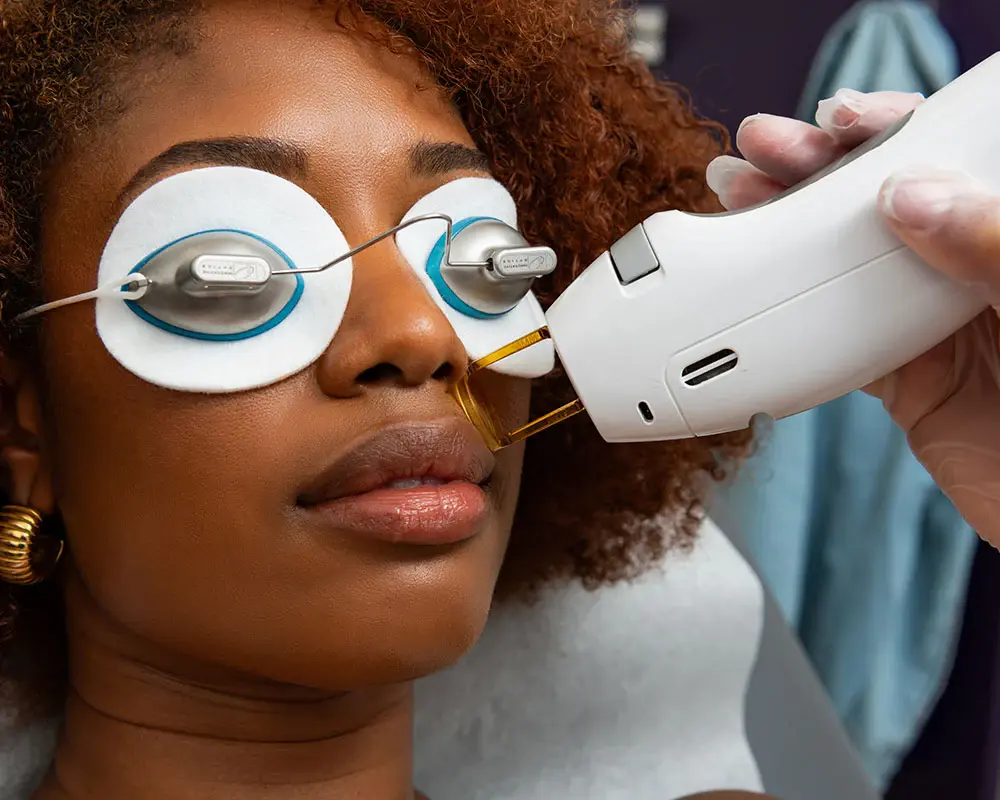
Laser Hair Removal for Different Skin Tones: What Recent Technology Advances Mean for Everyone
For a long time, laser hair removal was quietly marketed toward a narrow group of people: those with fair skin and dark hair. If your skin was deeper in tone, or your hair was lighter, you might have been told the treatment wasn’t suitable or that results would be unpredictable.
That’s changing. Advances in technology and better training mean that laser hair reduction is now an option for a much wider range of skin tones and hair types—provided you choose the right clinic and the right approach.
Why Skin Tone Matters in Laser Hair Removal
To understand why technology mattered so much, it helps to know how lasers work. In most systems, the laser targets pigment (melanin) in the hair shaft. The light energy travels down the hair and into the follicle, where it is converted to heat and damages the structures that produce new hair.
On lighter skin with dark hair, there’s a strong contrast: plenty of pigment in the hair and relatively little in the surrounding skin. Early devices were designed around this contrast, which made it easier to focus energy on the hair while keeping the skin safe.
On medium to deep skin tones, there is more melanin in the skin itself. If a device or setting isn’t appropriate, the laser can mistake skin pigment for hair pigment, increasing the risk of burns, pigmentation changes or ineffective treatments. That’s why older technology was often considered too risky for many people with darker complexions.
Modern platforms and medical-grade devices used for laser hair removal are designed to handle this challenge far more safely and precisely.
Newer Laser Technologies and What They Change
The biggest advances for diverse skin tones involve wavelength, pulse control and cooling.
Different wavelengths penetrate the skin and interact with pigment in different ways. Longer wavelengths (such as those used in Nd:YAG lasers) can reach the follicle while being less aggressively absorbed by melanin in the upper layers of the skin. That makes them better suited to deeper skin tones when used by experienced practitioners.
Improved pulse control means practitioners can tailor how quickly the laser energy is delivered. Adjusting pulse duration and energy allows finer control over how much heat is generated in the hair follicle versus the surrounding tissue. This is important for both sensitive skin and high Fitzpatrick types (darker complexions).
Advanced contact or dynamic cooling systems protect the outer layers of skin by cooling before, during or immediately after each pulse. This helps increase comfort and further reduces the risk of surface damage, making treatments more tolerable and safer across a range of tones.
Together, these developments have opened up laser hair reduction to many people who were previously told it wasn’t a good idea.
Matching Technology to Your Skin Tone
Even with better technology available, matching the device and settings to your skin tone is still crucial. What works best for someone with very fair skin may not be ideal for someone with olive or deep brown skin.
Fair to light skin types often respond well to a variety of platforms, with more flexibility in choosing wavelengths and settings. Medium skin tones require a bit more care in balancing effectiveness with safety, especially in areas that have seen sun exposure. Deep skin tones usually benefit most from devices and settings specifically chosen for higher melanin levels, with conservative starting parameters and careful monitoring.
This is why a proper consultation is so important. A good practitioner will assess your Fitzpatrick skin type, hair colour, density, medical history and any past reactions to cosmetic treatments before recommending a plan. They may also perform test patches to see how your skin responds before treating larger areas.
Setting Realistic Expectations for “Permanent” Results
Technology has improved, but expectations still need to be grounded. The phrase permanent hair removal can be misleading if you imagine that every single hair will disappear forever.
In practice, most people experience a significant, long-term reduction in hair growth—often 70–90% or more in treated areas—with remaining hair becoming finer and easier to manage. Hormones, genetics, medications and age can all influence regrowth over time, which is why some people may choose occasional maintenance sessions.
Skin tone adds another variable. On some deeper tones, practitioners may use slightly more conservative settings at first to protect the skin, which can mean more sessions are needed to reach the same level of reduction. A reputable clinic will explain this up front, so you’re not surprised by the number of appointments or the timeline.
What to Look for in a Clinic
Because skin tone and technology are so closely linked, choosing the right clinic is as important as choosing to have treatment in the first place.
A few signs of a good provider include:
- A detailed consultation that includes questions about your skin, hair, medical history and sun exposure habits
- Clear explanations of which devices and wavelengths they use for different skin types
- Willingness to perform patch tests and start cautiously, especially on darker skin tones
- Honest discussions about how many sessions you may need and what kind of reduction is realistic
You should also feel that your concerns are taken seriously. If you’ve had bad experiences with waxing, threading or previous laser treatments, tell your practitioner. They can adjust settings, spacing and aftercare recommendations accordingly.
Clinics such as VicLaser invest in technology and training precisely so they can tailor treatments to a wide variety of skin tones while keeping safety front and centre.
Making Laser Hair Removal Safer and More Inclusive
The most encouraging shift in recent years is that conversations about laser are becoming more inclusive. People with deeper skin tones no longer have to accept that “it’s not for you” as the final answer. With the right technology, careful assessment and experienced practitioners, effective hair reduction is now possible for a much broader range of clients.
If you’ve written off laser in the past because of your complexion, it may be worth revisiting with a modern, well-equipped clinic. Ask specific questions about how they treat your skin type, what devices they use and what results you can realistically expect.
When those answers are clear and backed by appropriate technology, the benefits of smoother skin and reduced hair growth are no longer reserved for a narrow group—they’re available to everyone, with skin tone as a factor to respect and plan for, not a barrier to treatment.
Also Read-Token Generator Guide: How to Create a Token Efficiently Without Technical Barriers