Emerging Technology for Simpler Work in 2026
Automation and Intelligent Assistance
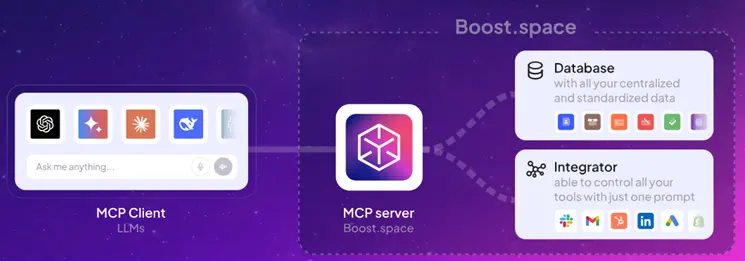
Emerging technology in 2026 is increasingly focused on reducing the time and effort required to complete everyday tasks. Automation is no longer limited to repetitive manufacturing processes; it now applies to administrative, analytical, and creative work. Intelligent assistants powered by advanced language processing can draft reports, summarize meetings, and respond to routine inquiries, allowing professionals to concentrate on strategic thinking and problem-solving. Workflow automation tools connect different systems so that data moves seamlessly between departments without manual entry. For example, sales information can automatically update accounting platforms, or inventory data can trigger procurement requests. These capabilities reduce human error and eliminate delays caused by disconnected systems. The result is a work environment where employees spend less time managing tools and more time applying judgment and expertise. Automation does not replace human contribution; it reshapes roles by removing friction from processes that previously required constant oversight.
Data-Driven Decision Making and Predictive Tools
Another major technological trend simplifying work in 2026 is the rise of predictive analytics and real-time data insights. Modern platforms can now process large volumes of information and translate them into clear, actionable recommendations. Instead of manually reviewing spreadsheets or waiting for monthly reports, professionals can access dashboards that highlight risks, opportunities, and performance gaps instantly. Predictive tools go a step further by forecasting trends based on historical patterns and current signals, supporting better planning and resource allocation. In operations, these tools can anticipate equipment maintenance needs or supply shortages before they disrupt productivity. In marketing and sales, they can identify likely customer behaviors and suggest tailored strategies. This shift from reactive to proactive management reduces stress and improves consistency in decision-making. When information is timely and relevant, employees can work with confidence and focus on refining outcomes rather than correcting mistakes.
Collaboration Platforms and Hybrid Work Support
Work in 2026 continues to rely on distributed teams, making collaboration technology essential for simplification rather than complexity. Modern platforms combine messaging, document sharing, and task management into unified environments that reduce the need to switch between multiple applications. Advanced video conferencing now includes real-time transcription and translation, allowing teams to collaborate across languages and time zones without barriers. Virtual workspaces replicate many aspects of in-person collaboration, such as brainstorming sessions and project reviews, while maintaining a digital record for later reference. These tools also improve transparency by making responsibilities and progress visible to everyone involved. When employees understand priorities and expectations clearly, coordination becomes easier and misunderstandings decrease. Collaboration technology supports not only efficiency but also consistency, ensuring that teams operate with shared context regardless of physical location.
Helpful Software for Organized Support
A short but practical category of emerging technology includes software designed to organize and manage requests for assistance. In many organizations, questions from employees and customers are scattered across emails, messages, and informal conversations, creating confusion and delays. Help desk software offers a centralized way to track issues, assign responsibility, and monitor resolution times. Although it should not dominate technology strategy, its role in simplifying communication is significant. By standardizing how support is requested and delivered, organizations reduce duplicated work and improve response quality. This structured approach also creates data that can reveal recurring problems, guiding process improvements and training priorities. When support systems are predictable and transparent, employees spend less time searching for answers and more time focusing on their core responsibilities.
Security, Compliance, and Trust Technologies
As work becomes more digital, emerging technology also simplifies the complex areas of security and compliance. Automated monitoring systems now detect unusual activity and potential breaches without requiring constant human supervision. Identity management tools streamline access control, ensuring that employees have the right permissions without lengthy approval chains. Compliance software maps regulatory requirements to internal policies, reducing the burden of manual audits and documentation. These technologies protect organizations while minimizing the administrative effort traditionally associated with risk management. When security and compliance are embedded into everyday systems, employees can work confidently without needing specialized knowledge for routine actions. This integration transforms protective measures from obstacles into invisible supports that enable smooth operations.
In 2026, emerging technology is defined less by novelty and more by its ability to simplify. Automation removes repetitive effort, predictive tools clarify decisions, collaboration platforms connect teams, and support systems organize information. Together, these innovations reduce complexity across roles and industries. The organizations that benefit most are those that select tools based on clear needs rather than trends, ensuring that technology serves as an enabler rather than a distraction. By adopting solutions that align with real workflows, professionals can spend less time managing processes and more time delivering value, making work both more efficient and more sustainable in the year ahead.
Also Read-Laser Hair Removal for Different Skin Tones: What Recent Technology Advances Mean for Everyone