
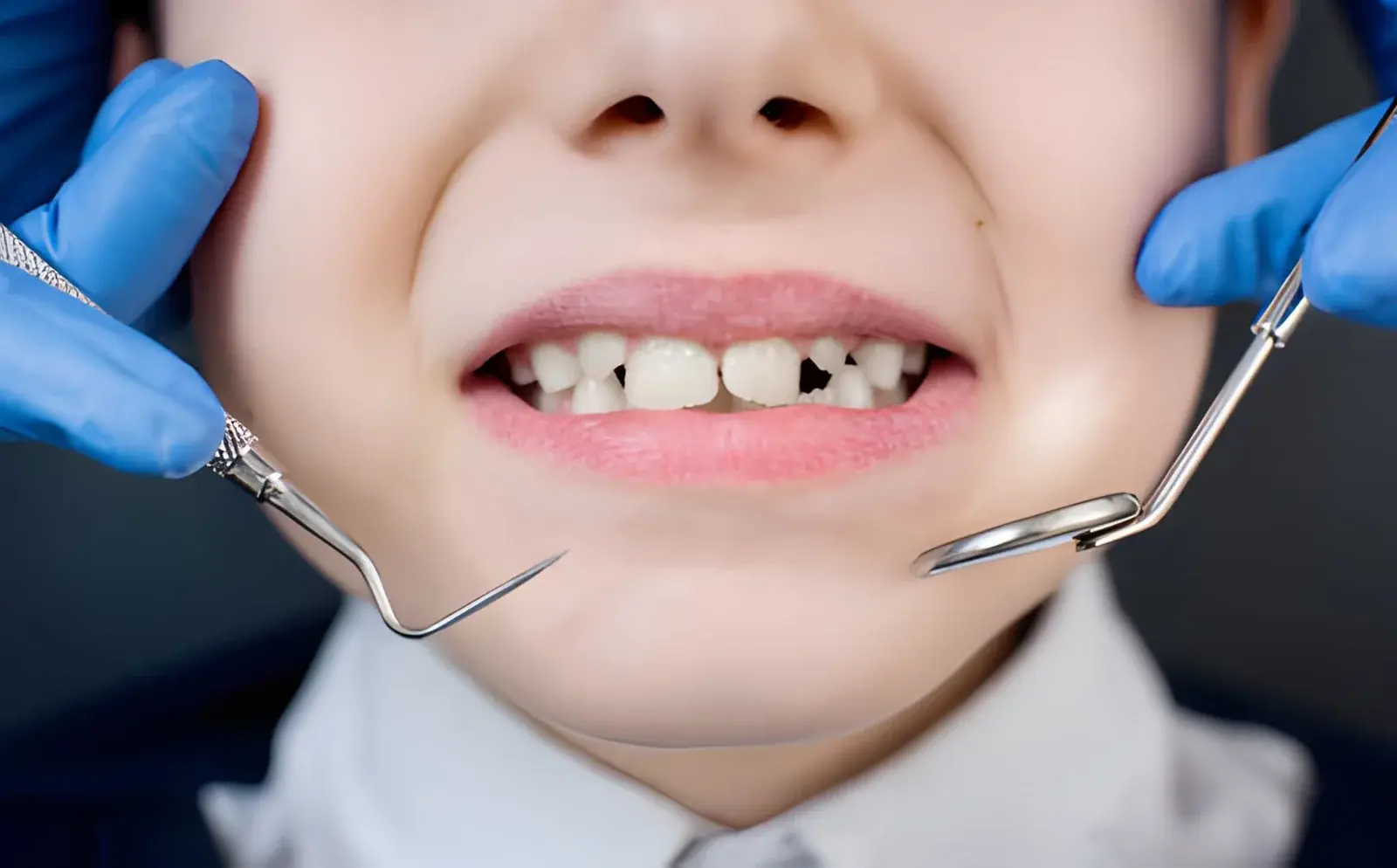
A New Tooth Coming In Crooked: What A Pediatric Dentist Can Check
You notice it during brushing, or when your child laughs and you catch a new tooth pushing through at an odd angle. It can look sudden, and it can be unsettling. Most parents go straight to the same thought: is something wrong, and did we miss the chance to fix it early? For families seeking trusted children’s dental care in Chino, getting an early evaluation can help you understand what’s happening and what to do next.
A crooked new tooth does not always mean a serious problem, but it does deserve a closer look. Sometimes a tooth erupts off to the side because there is not enough room. Sometimes a baby tooth is still hanging on. Sometimes the bite, jaw growth, or the path of eruption is part of the issue. A pediatric dentist can sort out which of these is happening and whether your child needs monitoring, simple treatment, or a referral for orthodontic care.
A crooked erupting tooth can have more than one cause
When a new permanent tooth comes in crooked, the position you see is only part of the story. The real question is why it came in that way. A new tooth coming in crooked may be tied to crowding, delayed loss of baby teeth, extra teeth, missing teeth, habits like thumb sucking, or differences in jaw development. In some children, the tooth corrects its path as more space opens up. In others, it keeps drifting farther out of place.
This is where parents often get stuck. You do not want to overreact if the tooth might settle on its own, but waiting too long can make treatment harder. If a lower front tooth comes in behind a baby tooth, for example, people sometimes call it a “shark tooth.” That can look dramatic, yet in many cases it improves once the baby tooth loosens or is removed. If a front tooth is trapped high in the gums or turning sharply, that can point to a different issue and needs attention sooner.
A pediatric dentist looks at timing, spacing, and eruption patterns instead of judging the tooth by appearance alone. That matters because children’s mouths change fast. A month or two can make a visible difference.
A pediatric dentist checks space, bite, and the path of eruption
A visit for a crooked adult tooth coming in usually starts with a visual exam, but it rarely ends there. The dentist checks whether baby teeth are still blocking the path, whether nearby teeth are stealing space, and whether the upper and lower teeth fit together in a way that could push the new tooth off course.
X rays may be recommended to see what is happening below the gumline. They can show if the permanent tooth is angled, delayed, impacted, or affected by another tooth or growth. They can also show whether other permanent teeth are likely to come in crowded. According to the American Academy of Pediatric Dentistry’s guidance on the developing dentition and occlusion, early evaluation helps identify eruption and bite problems before they become harder to manage.
The exam may also include a look at oral habits, airway concerns, and jaw growth. That can sound like a lot when you only came in for one crooked tooth, but these pieces connect. A tooth coming in sideways may be the first sign that the mouth does not have enough room overall.
Early evaluation can prevent bigger orthodontic problems
Parents often worry that one crooked tooth automatically means braces right away. That is not always the case. Sometimes the best plan is watchful monitoring. Sometimes removing a stubborn baby tooth creates enough room. Sometimes a space maintainer, referral to an orthodontist, or interceptive treatment is the smarter move.
The benefit of seeing a pediatric dentist early is not that every child needs treatment. It is that the right child gets the right help at the right time. National oral health research from the National Institute of Dental and Craniofacial Research shows that oral conditions in childhood can affect comfort, function, and long term health, which is one reason early dental assessment matters. You can read more in the Oral Health in America report.
If your child says the tooth hurts when biting, if the gums look swollen, or if the tooth seems stuck and not moving while others erupt around it, that shifts the situation from cosmetic worry to a functional concern. Teeth need room to erupt and meet properly. When they do not, cleaning gets harder and uneven wear can start early.
Watching and waiting is different from getting it checked
There is a big difference between monitoring with a plan and hoping for the best. Parents are often told that teeth can “straighten out,” and sometimes they do. The problem is that casual reassurance does not tell you whether your child is in the group that can safely wait.
| Situation | Likely Concern | What a Pediatric Dentist May Check |
|---|---|---|
| Permanent tooth erupting behind a baby tooth | Blocked eruption path or delayed baby tooth loss | Mobility of the baby tooth, spacing, X rays, need for extraction |
| Front tooth coming in twisted or high in the gums | Crowding, impacted tooth, abnormal eruption angle | Available space, tooth position under the gums, referral timing |
| New tooth appears crooked but child has no pain | Mild spacing issue or normal variation | Growth pattern, bite, follow up schedule |
| Crooked tooth with pain, swelling, or trouble biting | Trauma, pressure, infection risk, bite interference | Urgency of treatment, imaging, short term relief options |
Pediatric dentist visits are useful here because children are not just small adults. Their teeth are erupting, shifting, and competing for space in ways that need age specific judgment.
Three steps you can take right now
Take a clear photo and note the timing. Try to capture the tooth from the front and side, then write down when you first noticed it. If the tooth is moving quickly, that helps the dentist compare changes.
Do not force the baby tooth out at home. If a baby tooth seems to be in the way, it is tempting to wiggle it aggressively or tie tricks around it. That can cause pain and does not address the reason the permanent tooth is off track.
Schedule an evaluation if the tooth looks blocked, painful, or significantly out of line. This is the safest next step when a child tooth growing in crooked seems more than mild. Early checks often lead to simpler decisions.
Getting answers early can bring real relief
If you are staring at a crooked new tooth and wondering whether to worry, your concern makes sense. Some cases need nothing more than observation. Others need help before the crowding or bite issue gets worse. A pediatric dentist can tell the difference, explain what is happening, and give you a plan that fits your child’s stage of growth.
You do not need to guess or wait in uncertainty. Schedule a pediatric dentist evaluation and get a clear answer on what that new tooth is doing and what, if anything, should happen next.
Also Read