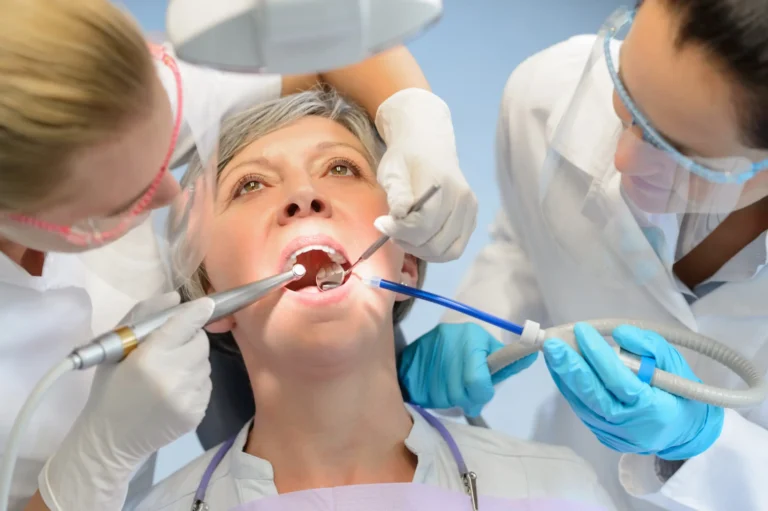
Why Prematurity Can Influence Enamel And Tooth Eruption
You may have spent months focused on breathing, feeding, weight gain, and sleep, only to hear that your child’s teeth may need extra attention too. That can feel unfair. When a baby arrives early, parents are already carrying more than enough. Hearing that prematurity may affect enamel or delay tooth eruption adds one more thing to watch, and it often shows up long after the NICU days are over. Finding trusted pediatric dental care for families in Santa Clarita can help make that next step feel more manageable.
The short version is simple. Babies born preterm can have a higher risk of enamel defects, delayed tooth eruption, and changes in how teeth develop. That does not mean every premature child will have dental problems, and it does not mean damage is unavoidable. It means your child’s early start may have shaped how the teeth formed, so regular follow-up with a pediatric dentist matters.
Prematurity can change how enamel forms and when teeth appear
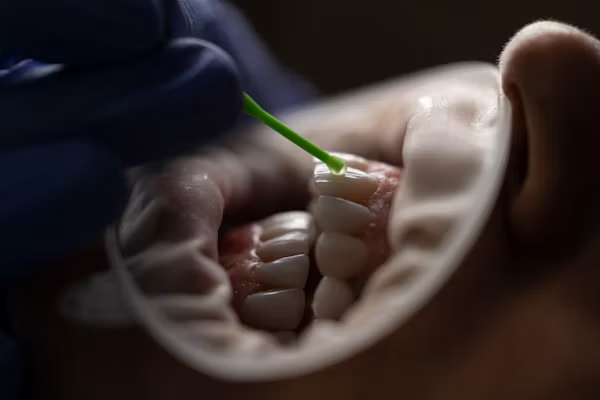
Tooth development starts well before birth. Enamel, the hard outer layer of the tooth, forms in stages. If a baby is born early, that process can be interrupted at a time when the body is also dealing with rapid growth, medical treatment, and nutritional stress. The result may be weaker enamel, thinner enamel, or spots and grooves that make teeth more likely to trap plaque and develop decay.
This is one reason prematurity and tooth development are often discussed together. A premature infant may also have lower calcium and phosphate stores, periods of illness, and medications or procedures that affect oral tissues. In some children, even the pressure from breathing tubes can affect developing teeth or the shape of the palate.
Tooth eruption can shift too. Some preterm children get teeth later than expected, especially when corrected age is used instead of birth date. That delay alone is not always a problem, but it can cause worry when other babies the same age already have several teeth. In other cases, the eruption pattern is uneven, and a tooth may come in with visible enamel changes from the start.
Research has linked preterm birth with developmental defects of enamel in primary teeth, which can set the stage for sensitivity, staining, and a higher cavity risk. A review available through PubMed Central on developmental dental defects in preterm children describes this association in detail.
Enamel defects in premature babies can create problems that show up slowly
Sometimes the first sign is cosmetic. A parent notices white, yellow, or brown patches and wonders if the tooth is decaying. Sometimes the issue is texture. The tooth looks pitted or rough, food sticks to it, and brushing becomes harder. Sometimes the child avoids cold foods or cries during brushing because the enamel is weak and the tooth is sensitive.
That slow build is what makes this stressful. If enamel did not form well, the tooth may look fine when it first erupts and still be more fragile than expected. A small cavity can grow faster in a rough or under-mineralized area. If eruption is delayed, families may also miss the best time to start habits like brushing with fluoride toothpaste or scheduling an early dental visit because they are still waiting for teeth to appear.
This is where a pediatric dentist can make a real difference. Early exams help separate what is normal variation from what needs treatment or closer monitoring. They also help parents avoid the common cycle of waiting, worrying, and then finding out the problem has grown.
The dental effects of preterm birth deserve early tracking
National oral health data has continued to show how strongly early prevention shapes long term outcomes. The Oral Health in America report from NIDCR supports the value of preventive dental care, risk based follow-up, and addressing early conditions before they turn into larger oral health problems.
If your child was born early, the goal is not to expect the worst. The goal is to watch more closely for signs that teeth need support. A child with enamel defects may need fluoride varnish, diet guidance, sealants on certain teeth later on, or restorative care if weak areas break down. A child with delayed eruption may only need monitoring, especially if growth and development are otherwise on track.
| Issue linked with prematurity | What you may notice at home | Why early dental care helps |
|---|---|---|
| Weak or defective enamel | White, yellow, or brown spots, rough surfaces, sensitivity | Fluoride treatment, home care changes, early repair if needed |
| Delayed tooth eruption | Teeth coming in later than expected | Monitoring based on corrected age and overall development |
| Higher cavity risk | Plaque buildup in pits or grooves, early dark areas | Prevention plans before decay spreads |
| Oral sensitivity | Discomfort with brushing, cold foods, or textured foods | Gentle strategies and treatment for exposed weak enamel |
Small steps now can protect teeth that had a harder start
Track teeth using corrected age.
If your child was born early, compare eruption timing with corrected age, not just birth date. This lowers panic and gives a more accurate picture. Keep notes on when each tooth appears and whether it looks smooth, even, and healthy.
Schedule an early visit with a pediatric dentist.
A child with a history of prematurity benefits from an exam soon after the first tooth erupts or by age one. This is especially helpful if you see discoloration, pitting, or delayed eruption. Why prematurity can influence enamel and tooth eruption becomes much easier to manage when someone is tracking changes before they become painful or expensive.
Protect enamel every day at home.
Use a smear of fluoride toothpaste for infants and a pea sized amount for children old enough to spit, based on your dentist’s guidance. Avoid constant sipping on milk, juice, or sweet drinks. If the teeth look chalky or rough, do not assume they will strengthen on their own. Weak enamel often needs active prevention.
Early support can ease a lot of worry
You are not overreacting by paying attention to late teeth or unusual enamel, especially if your child was born early. These concerns are real, and they are common enough that dentists watch for them on purpose. Preterm birth and enamel defects do not define your child’s oral health, but they do justify earlier support and closer follow-up.
If your child has a history of prematurity, consider booking a visit with a pediatric dentist. A quick exam now can answer the questions that have been sitting in the back of your mind and help protect teeth that may need a little more care.
Read more: 6 Travel And Exposure Details That Help Vets Assess A Dog For Regional Infections – Celebre Buzz
BDG Game: A Dynamic Platform for Interactive Fun – Celebre Buzz