
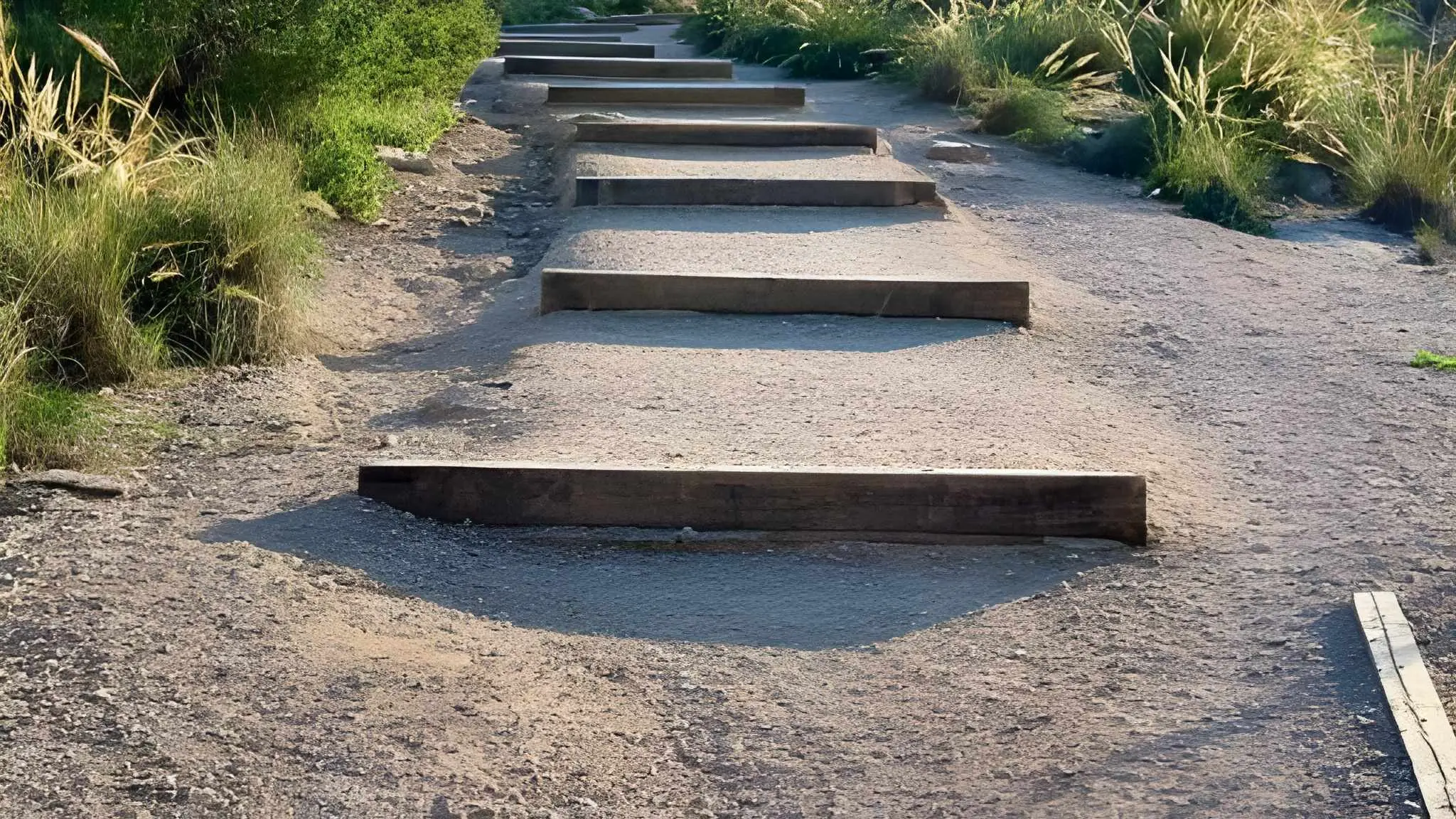
When you look at a sloping garden, do you see a difficult hill or a world of potential? Slopes can be challenging, but they also offer a unique opportunity to create dynamic, layered landscapes. One of the best ways to tame a slope and add functionality is by installing steps. And if you’re looking for a material that blends durability with style, Concrete Sleepers in Adelaide are a fantastic choice for the job.
Why Choose Sleepers for Your Steps?
Before you start digging, it’s worth understanding why sleepers are such a popular material for this kind of project.
Durability that lasts
Unlike timber, which can rot, warp, or succumb to termites over time, concrete sleepers are incredibly robust. They withstand the harsh Australian sun and heavy rains without losing their structural integrity. When you choose high-quality options from suppliers like Retaining Wall Industries, you are investing in a solution built to last for decades.
Aesthetic versatility
Gone are the days when concrete meant “drab grey slab.” Modern concrete sleepers come in a variety of textures and colors. You can find options that mimic the look of natural timber or stone, giving you the warmth of natural materials with the longevity of concrete.
Cost-effectiveness
While the initial outlay might be higher than cheap timber, the low maintenance requirements of concrete make it a cost-effective choice in the long run. You won’t be retaining or replacing these steps every few years.
Planning Your Project
Building steps requires a bit of math and some careful planning. You need to calculate the “rise” (height) and “run” (depth) of your steps. A comfortable step usually has a rise of about 150mm to 170mm and a run of at least 300mm.
- Measure the slope: Determine the total height difference from the bottom to the top of the slope.
- Calculate step count: Divide the total height by your desired step riser height. This tells you how many steps you need.
- Check your run: Ensure you have enough horizontal space to accommodate the depth of the steps.
If you are sourcing Concrete Sleepers in Adelaide, check the dimensions available to minimize cutting. Standard lengths are often perfect for wide, welcoming garden steps.
Step-by-Step Construction Guide
Once your plan is solid, it’s time to get your hands dirty.
- Prepare the ground
Clear vegetation and excavate the area for your steps. You need a solid base, so dig down deep enough to accommodate a layer of compacted gravel (road base) under the first sleeper. - Lay the foundation
Spread your gravel base and compact it thoroughly. This provides drainage and prevents the steps from sinking. - Position the first sleeper
Place your first sleeper. Use a spirit level to ensure it is perfectly level side-to-side, and has a very slight forward tilt (barely noticeable) to allow rainwater to run off. - Anchor the steps
For stability, especially with concrete, you may need to use steel posts or rebar pins driven into the ground behind the sleeper. Retaining Wall Industries can offer specific advice on the best anchoring methods for their products. - Backfill and repeat
Backfill behind the first sleeper with gravel or soil, compacting it well. This creates the flat surface for the next step. Repeat the process, stacking up the slope.
Ensuring Stability and Safety
Safety is paramount. Poorly built steps can become trip hazards or wash away in a storm.
- Compaction is key: Never skip compacting the soil and gravel base. Loose soil will settle, causing wonky steps.
- Drainage: Ensure water doesn’t pool behind the sleepers. Using a gravel backfill helps water drain away effectively.
- Lighting: Consider adding low-voltage garden lighting to your new steps for safety at night.
The Right Materials Matter
The success of your project often comes down to the quality of your materials. When looking for Concrete Sleepers in Adelaide, it pays to visit a specialist. Retaining Wall Industries offers a range of sleepers designed specifically for structural landscaping. Their products are engineered to handle the load, ensuring your garden steps don’t just look good on day one, but stay safe and solid for years.
Conclusion
Adding steps to your landscape is a rewarding project that improves access and visual appeal. It transforms an unusable slope into a feature of your home. By choosing durable materials like Concrete Sleepers in Adelaide and following proper construction techniques, you can build a staircase that stands the test of time.
Also Read-How Verandahs Protect Your Home’s Exterior Walls from Sun Damage
