
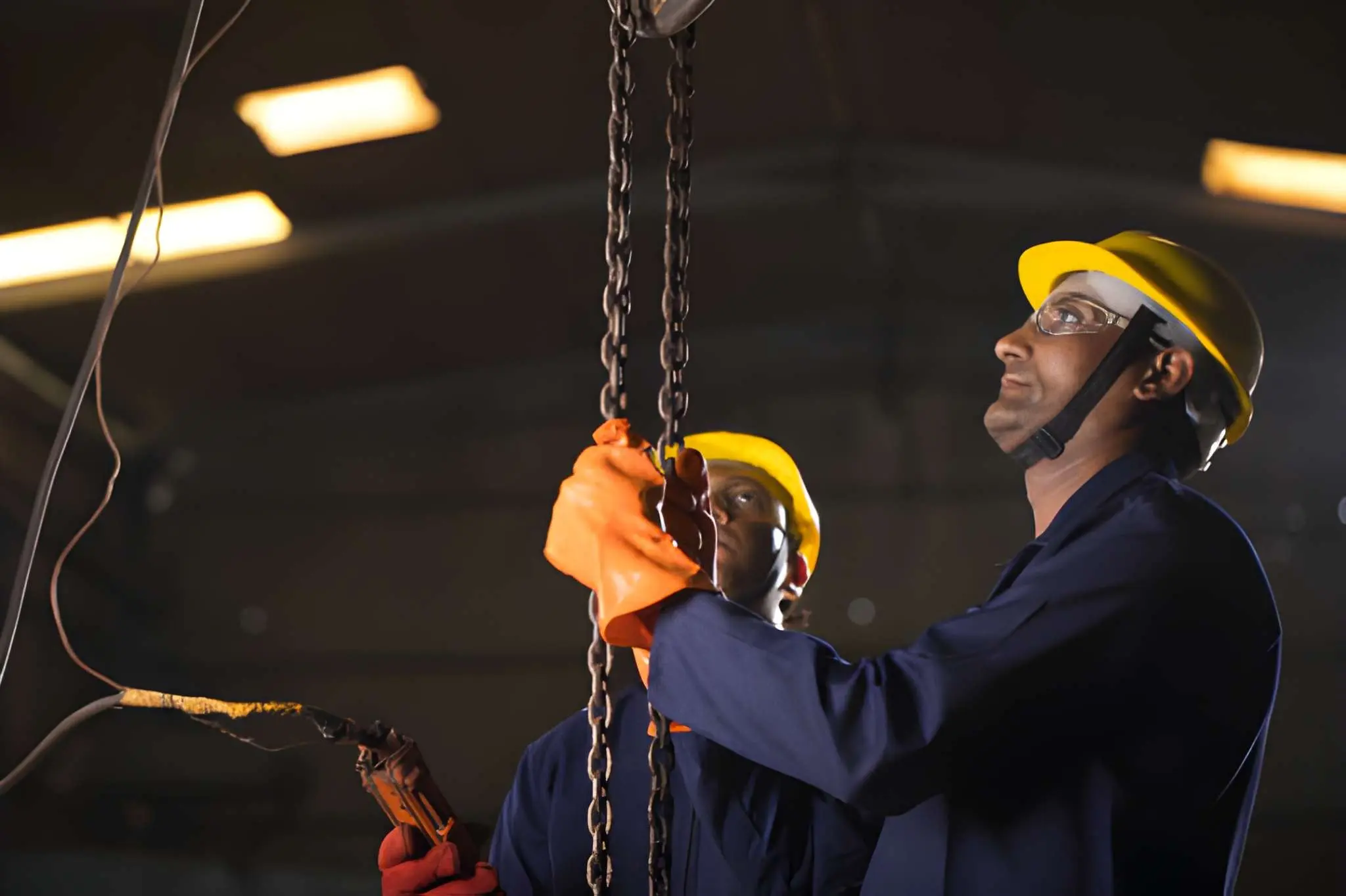
Positive connections at work are not a soft skill reserved for a select few; they are a foundational element of organizational success. Strong professional relationships improve collaboration, increase engagement, and create an environment where people are motivated to contribute their best work. Maintaining these connections requires intention, consistency, and an understanding of how individual behaviors influence the broader workplace culture.
Communication as the Foundation of Trust
Clear, respectful communication is the cornerstone of maintaining positive connections at work. This goes beyond simply exchanging information and extends into how messages are delivered, received, and acted upon. Professionals who communicate effectively listen actively, ask clarifying questions, and acknowledge differing perspectives without defensiveness. These behaviors signal respect and build trust over time.
Consistency also matters. When colleagues know what to expect from one another, whether in tone, follow-through, or decision-making, working relationships become more stable. Transparent communication during times of change or uncertainty is especially important. Addressing challenges directly, rather than allowing assumptions or rumors to fill the gaps, prevents misunderstandings that can erode trust and morale.
Equally important is adapting communication styles to different personalities and roles. Some team members value concise updates, while others appreciate context and discussion. Taking the time to understand these preferences demonstrates consideration and strengthens interpersonal connections across departments and levels of seniority.
Mutual Respect and Professional Empathy
Positive workplace relationships thrive in cultures where respect is consistently demonstrated. This includes valuing others’ time, recognizing contributions, and engaging constructively even when opinions differ. Disagreements are inevitable in any organization, but how they are handled determines whether relationships are strengthened or strained.
Professional empathy plays a critical role here. Empathy in the workplace does not mean lowering standards or avoiding accountability; it means understanding the pressures, goals, and constraints others face. When leaders and peers alike approach interactions with empathy, they create space for open dialogue and problem-solving rather than blame.
Recognition is another powerful driver of positive connections. Acknowledging effort and success reinforces a sense of belonging and shared purpose. This does not require grand gestures; timely, sincere recognition in meetings or written communications often has a lasting impact. Over time, these small actions contribute to a culture where people feel seen and valued.
Collaboration and Shared Accountability
Strong connections are reinforced when teams work toward shared goals with a sense of collective responsibility. Collaboration is most effective when roles and expectations are clearly defined, yet flexible enough to allow individuals to contribute their strengths. When people feel their expertise is trusted, they are more likely to engage openly and support others.
Shared accountability further deepens relationships. Rather than assigning blame when challenges arise, effective teams focus on learning and improvement. This mindset encourages honest reflection and mutual support, which are essential for maintaining positive connections during periods of pressure or change.
Cross-functional collaboration is particularly valuable for building broader networks within an organization. Working with colleagues from different teams exposes individuals to new perspectives and reduces silos. Over time, these interactions create informal networks of trust that enhance coordination and decision-making across the business.
Using Assessments to Strengthen Connections
Organizations increasingly use structured tools to better understand team dynamics and workplace culture. An organizational assessment can provide valuable insights into communication patterns, engagement levels, and areas where relationships may be strained or underdeveloped. When used thoughtfully, these assessments support positive connections rather than undermine them.
The key is framing assessments as opportunities for growth. Sharing results transparently and involving teams in action planning demonstrates a commitment to improvement and inclusion. Employees are more likely to engage with feedback when they see it leading to meaningful changes in how people work together.
Assessments also help leaders identify strengths to build upon. Recognizing what is already working well reinforces positive behaviors and encourages teams to replicate successful practices across the organization.
Sustaining Connections Over Time
Maintaining positive connections at work is an ongoing process, not a one-time initiative. Relationships evolve as organizations grow, roles change, and new challenges emerge. Regular check-ins, open feedback channels, and a willingness to adapt help ensure connections remain strong over time.
Ultimately, positive workplace relationships are built through everyday actions. When communication is clear, respect is mutual, collaboration is encouraged, and insights are used constructively, organizations create environments where people can connect, perform, and grow together. These connections not only improve individual experiences at work but also contribute directly to long-term organizational resilience and success.
Also Read-Counterattacking-Based Premier League Betting Techniques
