
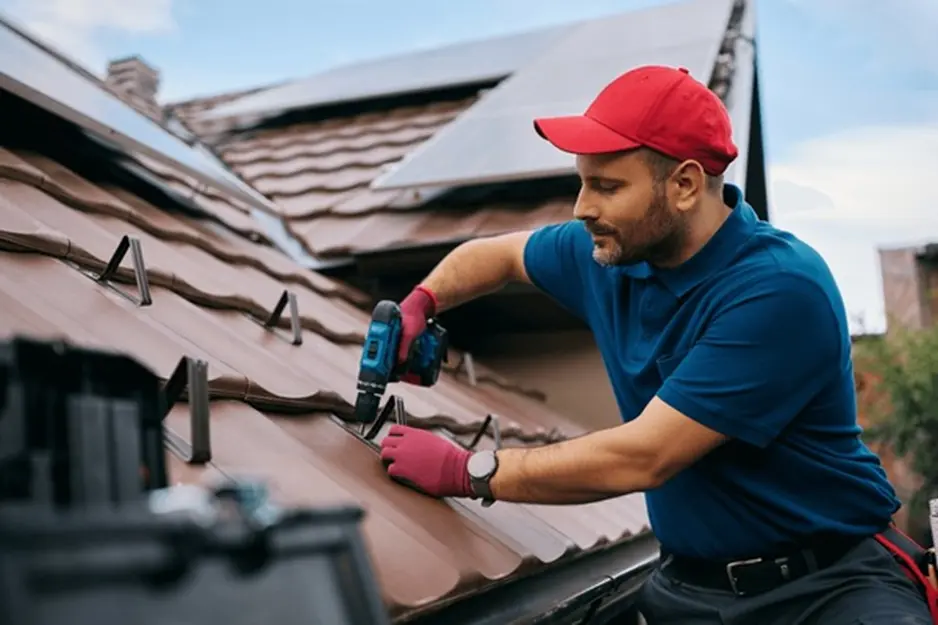
Homeowners in Voorhees often deal with roofing problems like leaking, ice dams, gutter damage and more caused by weather changes, aging materials, and poor maintenance. Understanding these issues early can help prevent costly repairs and long-term structural damage.
Voorhees is a quaint suburban township located in Camden County, New Jersey, which houses over 31,000 people. With the area being predominantly occupied by families, there are a significant number of spacious single-family homes. However, owning a home here requires a lot of work as it experiences hot summers, heavy rain, snow, and strong seasonal storms.
These shifting weather conditions place stress on residential roofing systems throughout the year. When damage appears, residents must consult a roofing company in Voorhees, NJ, to assess and address the problem before it spreads.
Below are the most common roofing issues homeowners in the area face.
Leaking Roofs After Storms
Roof leaks are one of the most reported problems in Voorhees. Heavy rainfall, ice buildup, and wind-driven storms can loosen shingles or damage flashing around vents and chimneys.
Leaks may start small but can quickly lead to:
- Water stains on ceilings
- Mold growth in attic spaces
- Rotting wood decking
- Insulation damage
Even a minor leak can weaken structural components if left untreated.
Missing or Damaged Shingles
Shingles protect the roof from water intrusion. In areas with strong winds and temperature swings, shingles can crack, curl, or blow off entirely.
Damaged shingles expose the underlayment to moisture. Over time, this increases the risk of leaks and internal water damage.
Minor Shingle Damage vs. Major Shingle Failure
Minor damage may involve a few loose or cracked shingles. Major failure often includes widespread granule loss, lifting sections, or repeated shingle detachment after storms.
Poor Flashing Installation
Flashing is the metal material installed around roof penetrations and edges. If flashing is installed incorrectly or corrodes over time, water can seep underneath roofing materials.
Common flashing trouble spots include:
- Chimneys
- Skylights
- Roof valleys
- Vent pipes
Improper flashing is a leading cause of slow, hidden leaks.
Clogged or Damaged Gutters
Gutters move water away from the roof and foundation. When clogged with leaves or debris, water backs up onto the roof surface.
Standing water increases the risk of:
- Shingle deterioration
- Fascia board damage
- Ice dam formation in winter
Regular cleaning helps reduce these risks.
Ice Dams in Winter
Ice dams form when warm attic air melts snow on the roof. The water runs down and refreezes near the edge, blocking proper drainage.
This trapped water can force its way under shingles. Ice dams are common in colder New Jersey winters and often lead to interior ceiling damage.
Roof Ventilation Problems
Proper ventilation regulates temperature and moisture in the attic. Poor airflow can cause heat buildup during summer and condensation in winter.
Long-term ventilation issues may result in:
- Premature shingle aging
- Mold growth
- Increased energy bills
- Warped roof decking
Ventilation problems often go unnoticed until larger damage appears.
Aging Roofing Materials
Most asphalt shingle roofs last between 20 to 30 years. As materials age, they become brittle and less resistant to wind and moisture.
Signs of aging include:
- Granules collecting in gutters
- Curling edges
- Frequent minor repairs
- Visible sagging
Short-term patching may work temporarily, but long-term replacement may be necessary once materials reach the end of their lifespan.
Minor Wear vs. Structural Damage
Not all roofing issues require full replacement. Minor wear may involve surface cracks or isolated shingle damage.
Structural damage includes:
- Soft or sagging roof areas
- Persistent leaks in multiple locations
- Rotting wood supports
Understanding the difference helps homeowners make informed repair decisions.
Steps to Take When Roofing Problems Appear
- Inspect visible areas safely from the ground after storms.
- Document any missing shingles or visible damage.
- Check ceilings and attic spaces for moisture stains.
- Schedule a professional inspection for hidden issues.
- Address small repairs quickly to prevent higher costs.
Early action reduces the risk of expensive structural repairs.
Key Takeaways
- Voorhees weather contributes to common roofing problems.
- Leaks often start small but worsen quickly.
- Damaged shingles increase water intrusion risk.
- Flashing and gutters play a major protective role.
- Ice dams and ventilation issues can cause hidden damage.
- Aging materials may require replacement rather than repair.
- Early inspection helps prevent structural deterioration.
Also Read
