
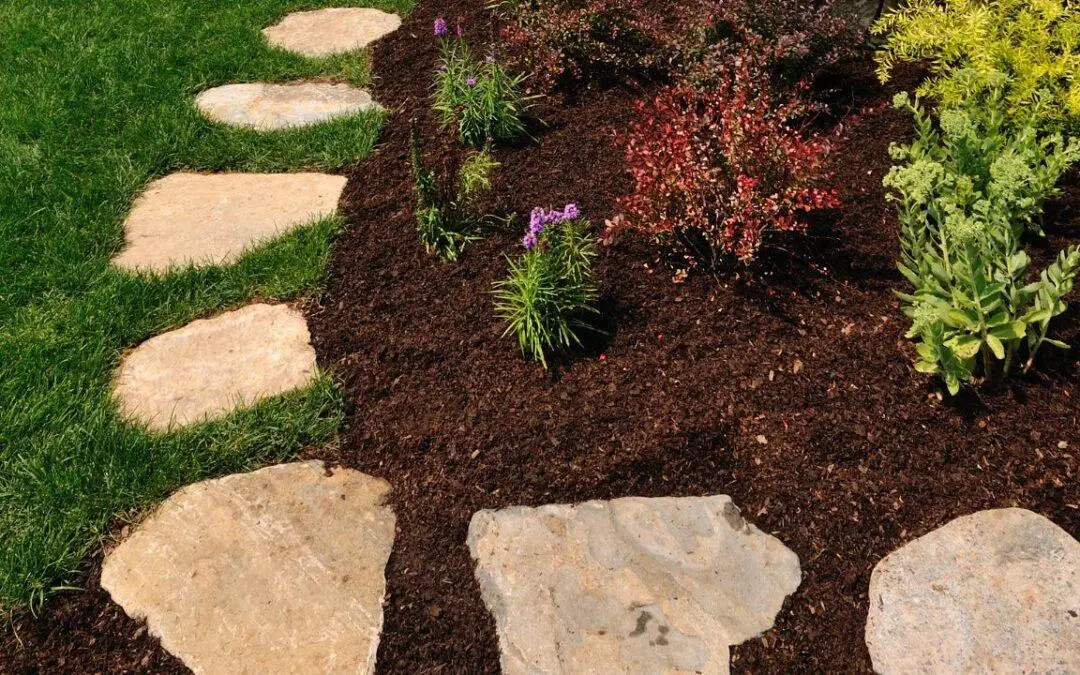
Outdoor spaces play a major role in how a property looks, functions, and holds long-term value. Homeowners and property managers often focus on plants and lawns while overlooking the materials that support them. Mulch and rock installation is one of the most searched landscaping topics because people want answers to practical questions: which material lasts longer, how much maintenance is required, how it affects drainage, and whether it actually saves time and money.
Poor ground cover choices can lead to weeds, soil erosion, water runoff problems, and constant upkeep. When installed incorrectly, even high-quality materials fail to deliver results. Understanding how mulch and rock installation works, and when each option makes sense, helps property owners avoid common mistakes and create outdoor spaces that remain functional and attractive year-round.
Why ground cover choices matter more than people expect
Ground cover does more than improve appearance. It protects soil, regulates moisture, and reduces temperature extremes around plants. Without proper coverage, exposed soil dries out quickly, encourages weed growth, and washes away during heavy rain.
Mulch and rock installation addresses these issues in different ways. Mulch improves soil health over time, while rock provides long-lasting coverage with minimal breakdown. Choosing the wrong option or installing it incorrectly often leads to frustration, wasted money, and repeat work.
Many people search online after dealing with problems like mulch washing away, rocks sinking into soil, or weeds growing through landscaping fabric. These issues usually stem from improper preparation rather than material quality.
Common questions people ask before installing mulch or rock
Which lasts longer, mulch or rock?
One of the most common searches compares lifespan. Organic mulch typically needs to be refreshed every one to three years as it breaks down. Rock, on the other hand, can last decades if installed properly. However, longevity alone should not drive the decision.
Mulch benefits plant health by adding nutrients to the soil, while rock is best for areas where plant growth is minimal or maintenance needs to stay low. Understanding the purpose of each area in the landscape helps guide the choice.
Does rock cause drainage problems?
Rock itself does not cause drainage issues, but improper installation can. Without proper grading and base preparation, water can pool underneath rock beds, leading to soil compaction and root problems nearby.
Mulch and rock installation should always begin with evaluating slope, soil type, and water flow. In many cases, a combination of materials across different zones provides the best drainage results.
Will weeds still grow through mulch or rock?
This is one of the most searched frustrations. Weeds can grow through almost any material if preparation is skipped. Landscape fabric alone does not prevent weeds long term if soil is disturbed or organic matter collects on top.
Proper installation includes clearing existing growth, leveling the area, installing edging, and applying the correct depth of material. When done correctly, both mulch and rock significantly reduce weed pressure.
Choosing the right material for different areas
Mulch for plant health and soil protection
Mulch works best in garden beds, around trees, and near shrubs. It helps retain moisture, regulate soil temperature, and prevent erosion. Organic options such as wood chips or bark gradually improve soil quality as they decompose.
However, mulch must be applied at the correct depth. Too little offers minimal benefit, while too much can trap moisture against plant stems and encourage rot. Even spacing and regular inspection are essential.
Rock for durability and low maintenance
Rock is ideal for high-traffic areas, decorative borders, and zones where watering is limited. It does not decompose, shift easily when installed correctly, or require seasonal replacement.
Mulch and rock installation using stone requires careful base preparation. Without a compacted base and edging, rocks can sink, scatter, or mix with soil over time. This is why many people regret DIY rock projects that skip foundational steps.
Installation mistakes that cause long-term problems
Skipping edging and containment
Edging is one of the most overlooked steps. Without it, mulch spreads into lawns and walkways, while rock migrates into surrounding soil. This creates constant cleanup and blurs landscape lines.
Proper containment keeps materials in place, maintains visual structure, and reduces long-term maintenance.
Incorrect depth and layering
Applying mulch too thin leads to weed growth and moisture loss. Applying rock without a base layer causes sinking and uneven surfaces. Depth guidelines exist for a reason and should be followed based on material size and purpose.
Ignoring existing soil conditions
Clay-heavy soils, slopes, and poor drainage areas require adjustments before installation. Mulch and rock installation that ignores soil conditions often fails within the first season, prompting costly corrections.
Maintenance expectations people often misunderstand
Many homeowners choose rock believing it requires zero maintenance. While it is lower maintenance than mulch, it still needs occasional care. Leaves, debris, and organic matter accumulate over time, creating pockets where weeds can grow.
Mulch requires more frequent refreshes but is easier to adjust and repair. Understanding realistic maintenance expectations helps people choose materials that fit their lifestyle rather than creating new frustrations.
Environmental and temperature considerations
Mulch helps cool soil in summer and insulate roots in winter. Rock can absorb and retain heat, which may stress plants if placed too close. This is a common issue people search after noticing plants struggling near stone beds.
Strategic placement matters. Mulch/rock installation in St. Charles County works best when materials are used intentionally rather than uniformly across the entire landscape.
Cost considerations people search most often
Upfront costs differ significantly. Mulch is usually cheaper initially but requires ongoing replacement. Rock costs more to install but spreads its value over many years.
The real cost difference becomes clear over time. Many searches come from people calculating whether repeated mulch replacement outweighs one-time rock installation. The answer depends on space size, plant needs, and maintenance preferences.
Creating a balanced, functional landscape
The most successful landscapes often use both materials. Mulch supports plant health where growth matters most, while rock stabilizes areas where durability and structure are priorities.
Mulch and rock installation is not just about appearance. It is about solving real problems like weeds, erosion, drainage issues, and excessive maintenance. When planned properly, it creates outdoor spaces that look better, last longer, and require less effort to maintain.
Conclusion
Choosing and installing ground cover correctly is one of the most impactful landscaping decisions a property owner can make. Mulch and rock installation addresses common concerns people search for every day, from weed control and drainage to longevity and maintenance. By understanding material differences, preparing the ground properly, and setting realistic expectations, homeowners can avoid common mistakes and build landscapes that remain healthy, stable, and visually appealing for years to come.
Also Read-Exploring the Structure of Online Slot Gacor Games
