
Choosing the right Hearing Aids in Adelaide is only half the battle. The other half? Making sure they actually fit. For many people, that’s where ear molds come in—small, custom-shaped pieces that can make a surprisingly big difference in how well you hear.
Whether you’ve just started exploring Adelaide Hearing solutions or have been wearing hearing aids for years, understanding ear molds could change your experience entirely.
What Are Ear Molds?
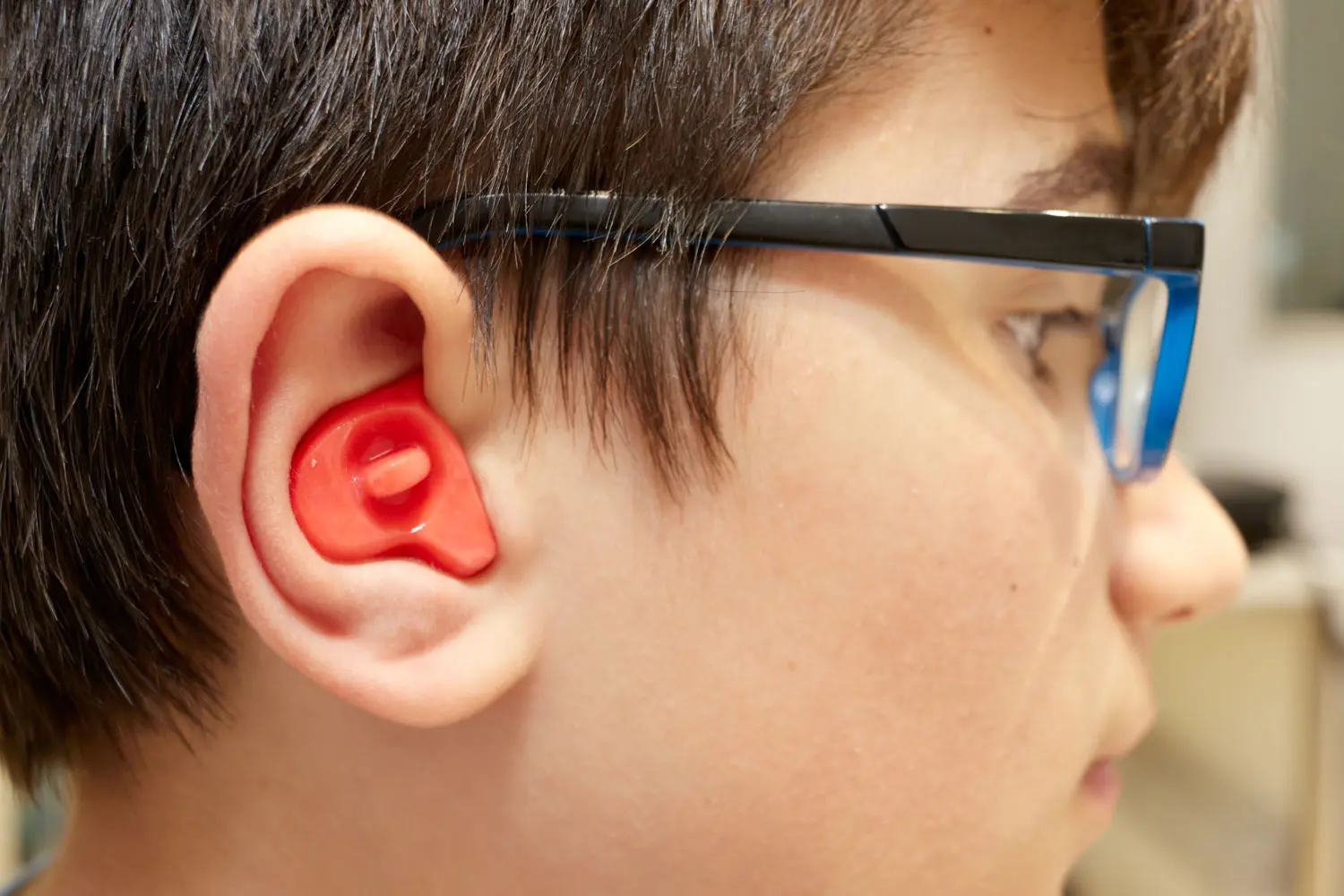
Ear molds are custom-fitted inserts designed to sit comfortably inside your ear canal. They connect your hearing aid to your ear, acting as the physical bridge between the device and your hearing system.
Unlike generic silicone tips that come in small, medium, and large, ear molds are made from an impression of your unique ear shape. No two ears are the same, and ear molds are built around that reality.
The Science Behind a Custom Fit
A well-fitted ear mold does more than feel comfortable—it changes how sound reaches you.
When sound leaks out of a poorly fitted tip, you lose clarity. You might hear voices, but struggle to make out words. A custom mold creates an acoustic seal that keeps amplified sound directed precisely where it needs to go: your eardrum.
This seal also reduces feedback—the high-pitched whistling that plagues many hearing aid users. For anyone relying on Hearing Aids in Adelaide for daily communication, eliminating that feedback can be genuinely life-changing.
Custom molds are typically made from acrylic, silicone, or soft vinyl. Each material offers different levels of firmness and flexibility, allowing audiologists to match the mold to your lifestyle and comfort preferences.
Better Performance for Adelaide Hearing Solutions
One of the most overlooked aspects of hearing aid performance is acoustic efficiency. Even a premium hearing aid will underperform if sound escapes before reaching the ear canal.
Custom ear molds address this directly. By fitting snugly against the contours of your ear, they ensure that the sound your Adelaide Hearing device produces is delivered cleanly and consistently. The result is richer, clearer audio—especially in noisy environments like restaurants or social gatherings where good hearing matters most.
For people with more significant hearing loss, this level of acoustic control isn’t optional. It’s essential.
Who Benefits Most From Ear Molds?
Ear molds aren’t for everyone, but they’re right for many people. You’re likely a good candidate if you:
- Have moderate to severe hearing loss
- Experience frequent feedback with standard tips
- Wear behind-the-ear (BTE) hearing aids
- Find generic tips uncomfortable or prone to falling out
- Spend time in noisy environments and need maximum sound clarity
Children, in particular, benefit from custom molds because their ears are still growing—requiring periodic remolds to maintain a proper fit. Audiologists offering Hearing Aids in Adelaide can advise on how often remolding is needed based on age and ear growth.
Maintenance Tips to Keep Molds in Top Shape
Custom ear molds are an investment, and like any precision equipment, they reward regular care.
Daily cleaning: Wipe your molds with a soft, dry cloth after each use. Moisture and earwax are the two biggest threats to mold hygiene and longevity.
Weekly deep clean: Remove the mold from the tubing (if applicable) and wash it in warm, soapy water. Allow it to dry completely before reattaching—never use a hairdryer or direct heat.
Check for wear: Inspect your molds regularly for cracks, discoloration, or hardening. A damaged mold won’t seal properly and can reduce sound quality significantly.
Annual check-ins: Ear canals can change shape over time due to age or weight changes. Schedule regular appointments with your Adelaide Hearing provider to confirm your molds still fit correctly.
Storing molds in a dry, protective case when not in use also extends their lifespan considerably.
Conclusion
A hearing aid is only as effective as its fit. Custom ear molds are one of the most practical upgrades you can make to your hearing care routine—improving comfort, reducing feedback, and ensuring every sound your device produces actually reaches you clearly.
If you’re currently using generic tips and finding your experience underwhelming, it may be worth asking your audiologist about custom molds. For anyone serious about getting the most from their Hearing Aids in Adelaide, it’s a conversation worth having.
Also Read
