
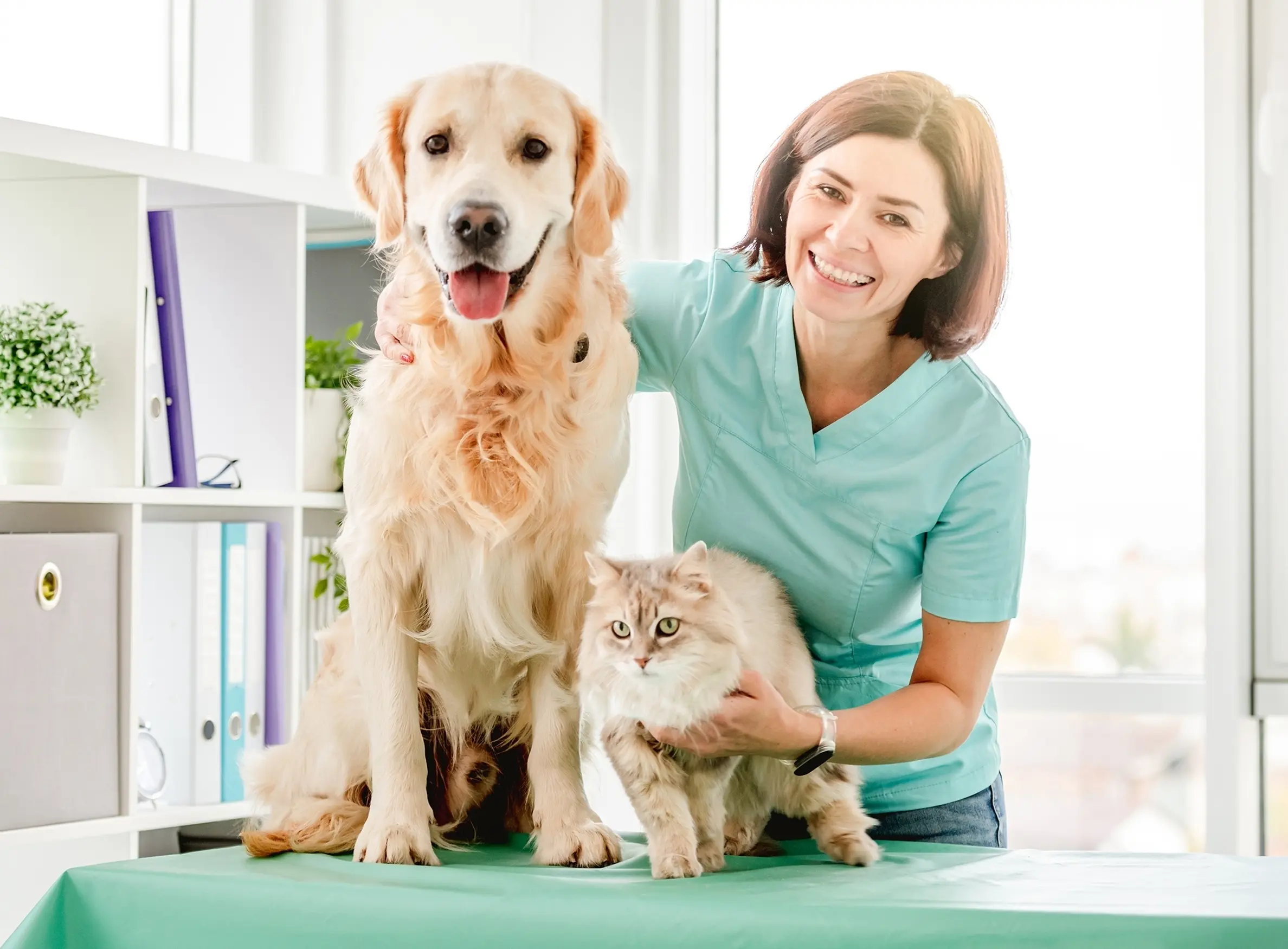
5 Reasons Pet Owners Choose Comprehensive Animal Clinics
You notice the small things first. Your dog slows down on walks, your cat skips a meal, your rabbit starts hiding more than usual. It may not look urgent, but it sits in the back of your mind all day. Pet care gets stressful fast because you are trying to make the right call before a small issue turns into a bigger one, and you also have to think about cost, timing, and whether one visit to a pet wellness clinic in West Palm Beach will actually cover what your pet needs.
That is why many families look for one place that can handle routine care, sick visits, diagnostics, and follow up without sending them all over town. 5 Reasons Pet Owners Choose Comprehensive Animal Clinics comes down to something simple. You want care that is easier to trust, easier to manage, and easier on your pet.
Comprehensive animal clinics reduce the stress of fragmented care
When care is scattered, details get missed. One office has vaccine records, another has lab work, and a third is handling a skin problem that started months ago. You are left repeating the same history, trying to remember dates, medications, and what changed after the last appointment. That is exhausting when you are already worried.
An animal clinic that offers broader services in one place helps connect the dots. If your dog comes in for an ear infection and the vet also notices allergy signs, weight changes, or dental disease, those issues can be addressed with the full picture in mind. That matters because pet health problems often overlap. Skin issues may tie into diet. Bad breath may point to dental pain. Low energy may need bloodwork, not just rest.
This is one reason people search for full service animal clinics instead of booking with the first office they find. Continuity makes care safer and less confusing.
Preventive care and early detection protect your pet and your budget
Most pet owners do not wait because they do not care. They wait because the signs seem minor, life is busy, or they hope it will pass. Then a manageable issue becomes a longer treatment plan. A simple dental cleaning turns into extractions. Mild stomach upset turns into dehydration. A small limp turns into an injury that needed attention sooner.
Clinics that provide wellness exams, vaccines, parasite prevention, lab testing, and ongoing monitoring help catch problems early. That lowers the odds of emergency level costs later. It also protects the people in your home. The CDC offers guidance on healthy pets and safe pet ownership, including steps that reduce the spread of diseases between animals and humans.
Good preventive care is not just a checklist. It is a pattern of watching changes over time. If your pet gains weight, starts drinking more water, or develops recurring ear problems, a clinic that already knows their baseline can spot those shifts sooner.
On site diagnostics lead to faster answers and treatment
Waiting is one of the hardest parts of pet care. You know something is off, but you do not know whether it is mild, painful, or serious. If a clinic can run bloodwork, urinalysis, imaging, or other tests through the same care team, you get answers faster and your pet spends less time uncomfortable.
Think about a cat that stops using the litter box. That could be stress, but it could also be a urinary issue that needs quick treatment. Or a dog with vomiting that might need an exam, X rays, and fluids the same day. In these moments, broader in house services matter because they shorten the gap between concern and treatment.
This is a major reason families choose animal clinics with more than basic appointment slots. Speed matters when symptoms change by the hour.
Comprehensive veterinary care supports every stage of your pet’s life
A puppy or kitten needs vaccines, behavior guidance, and spay or neuter planning. Adult pets need dental care, weight management, and routine screening. Senior pets often need more frequent exams, pain support, and monitoring for age related conditions. Care changes as your pet changes.
A clinic that can grow with your pet gives you stability. You are not starting over every few years, and your vet is not meeting your pet as a stranger during a stressful moment. That long view often leads to better decisions because patterns become clearer over time.
The CDC also explains the value of the human animal bond and safe care practices on its about healthy pets page. Pets are part of daily life, which is why steady medical care matters so much. Their health affects your routine, your finances, and your peace of mind.
Clear communication makes a full service animal clinic easier to trust
Pet owners do not just need treatment. They need plain answers. You want to know what the problem might be, what testing is needed, what can wait, and what cannot. You also want options that fit real budgets.
The best clinics explain care without pressure. If your dog needs a workup for chronic itching, they should tell you what they are looking for, what each step costs, and what happens if you postpone treatment. If your older cat may have kidney disease, they should explain the lab results in simple terms and map out next steps you can actually follow.
That kind of communication builds trust because it respects the fact that you are making choices for a family member, not buying a routine service.
Key differences between basic and broad animal clinic services
| Care Need | Basic Clinic Setup | Broad Service Clinic Setup |
|---|---|---|
| Routine wellness visit | Exam and vaccines only | Exam, vaccines, preventive planning, baseline testing when needed |
| Sudden illness | May require outside referral for tests | Often includes same day diagnostics and treatment plan |
| Chronic condition management | Limited follow up coordination | Ongoing monitoring with one medical record and care team |
| Senior pet care | General exam with separate specialty referrals | Age related screening, pain support, dental and lab follow up |
| Owner communication | Short updates with little continuity | Clear step by step guidance across visits |
Three steps you can take before choosing an animal clinic
Review the clinic’s service range. Check whether the clinic handles wellness care, sick visits, diagnostics, dental care, surgery, and senior pet monitoring. A wider service range often means fewer referrals and less delay when your pet needs more than a basic exam.
Ask how the clinic manages follow up. You need to know who calls with results, how medication changes are explained, and whether the same team tracks your pet over time. Good follow up prevents confusion and helps you act quickly if symptoms get worse.
Pay attention to how they communicate. Call with a simple question and notice the response. If the staff is clear, calm, and respectful before you book, that usually carries into the exam room. When your pet is sick, that clarity matters as much as the treatment itself.
Your pet depends on you to notice when something is off, and you do not need to carry all of that stress alone. The right animal clinic helps you move from uncertainty to a plan, with care that is connected, practical, and easier to trust. If you are comparing options, start with a clinic that can support your pet through routine care, unexpected illness, and the changes that come with age.