
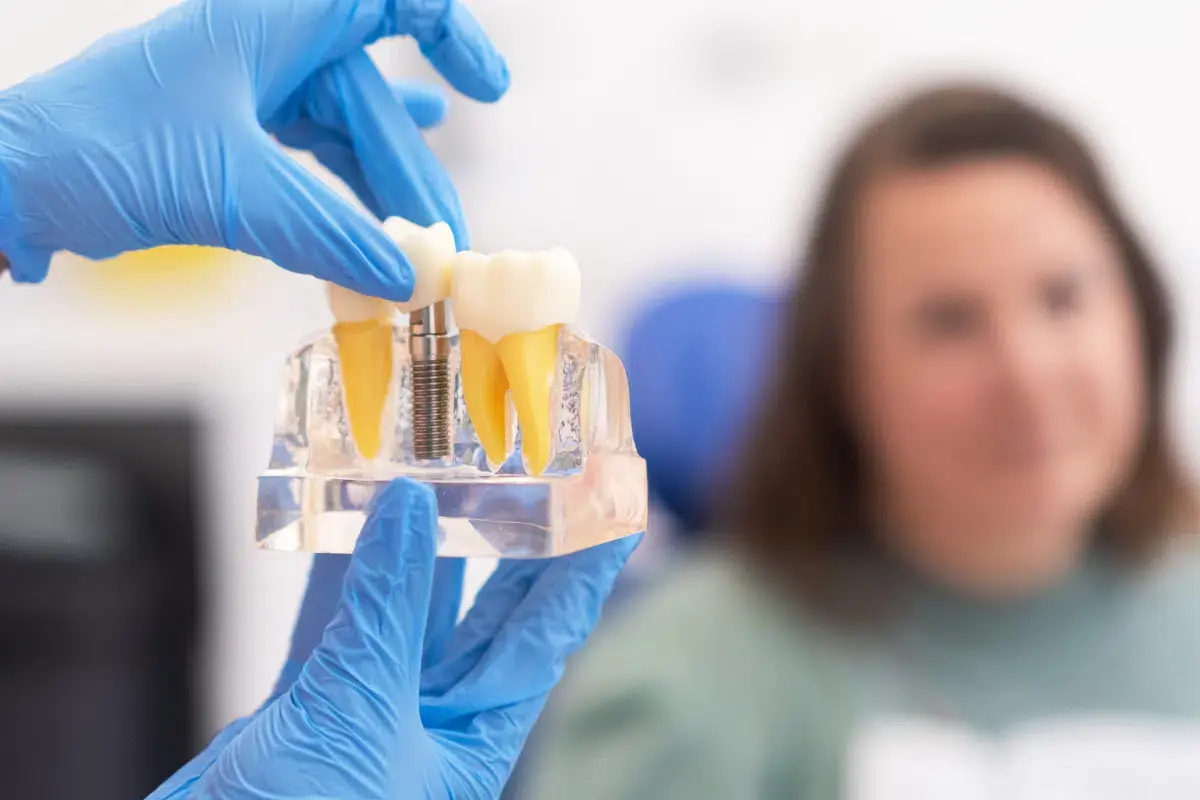
Healthy gums and strong implants let you eat, speak, and smile without fear. When you ignore them, small problems turn into pain, infection, and expensive repair. Long-term care is not fancy. You brush, you clean between teeth, you see your dentist, and you stay alert to small changes. Yet implants and gum disease bring risks that need extra focus. A Minneapolis periodontist sees every stage of damage and healing. That experience shows a simple truth. Daily care at home protects the work you already paid for and the health you still depend on. This guide gives you six clear steps. You can use them if you just received implants or had them for years. You will see what to do each day, what to avoid, and when to call for help. You deserve a mouth that feels steady, clean, and under your control.
Tip 1: Brush the right way twice a day
You already know you should brush. The way you brush now matters even more with implants.
Use a soft toothbrush. Hard bristles scrape your gums and the surface around your implants. That scraping opens the door to infection.
Brush for two minutes. Clean every side of every tooth and around each implant. Angle the bristles toward the gumline. Use short strokes. Do not scrub.
Choose a fluoride toothpaste. Fluoride protects your natural teeth next to the implants. That protection helps keep your whole mouth stable.
You can read brushing steps from the Centers for Disease Control and Prevention. Use those steps as your base and add extra time around your implants.
Tip 2: Clean between teeth and implants every day
Food and plaque hide between teeth and around implant posts. Brushing does not reach those tight spaces. If you skip this step, you raise your risk for bone loss around the implant.
Use one or more of these tools each day.
- Waxed floss or special implant floss
- Interdental brushes with soft plastic-coated wires
- Water flosser
Move slowly. Slide the floss or the brush along the side of the implant and tooth. Do not snap it into your gums. If you use a water flosser, aim the stream along the gumline, not straight into the pocket.
The National Institute of Dental and Craniofacial Research explains how plaque near the gumline can lead to gum disease. That same process can also damage the bone that holds your implants.
Tip 3: Watch for early warning signs
Small changes around an implant can signal trouble that you can stop early. You protect your investment when you notice these changes fast.
Pay attention to three things.
- Color. Gums should look pink. Red or dark gums around an implant need a check.
- Bleeding. Bleeding when you brush or floss is not normal. It is a sign of irritation or infection.
- Movement. An implant or the tooth on top should not feel loose or shift when you bite.
Also notice pain, bad taste, or pus near an implant. Do not wait for the next routine visit. Call your dentist or specialist. Early treatment can save the implant and protect nearby teeth.
Tip 4: Keep regular checkups and cleanings
You care for your mouth at home. Your dental team checks what you cannot see or feel.
Plan to visit at least twice a year. Your provider may suggest more visits if you have gum disease, diabetes, or a history of smoking.
At these visits, your team will often:
- Measure the pockets around your gums and implants
- Check how your bite fits
- Take X-rays to watch the bone around implants
- Remove hardened plaque that you cannot clean at home
These visits protect your implants the same way oil changes protect an engine. Skipping them lets silent damage grow.
Tip 5: Protect your implants from extra stress
Implants are strong. Yet the bone and gums around them can still crack or tear under pressure.
Use three steps to lower stress.
- Do not chew ice, hard candy, or popcorn kernels.
- Wear a night guard if you grind or clench your teeth.
- Use a sports mouthguard for contact sports.
If you grind at night, you might wake with sore jaws or headaches. A custom night guard spreads the force and protects your implants and natural teeth. This simple tool can prevent chips, cracks, and loose implants.
Tip 6: Support your gums with healthy choices
Your daily habits shape how your gums heal and how long your implants last.
Three choices matter most.
- Quit smoking or vaping. Nicotine slows blood flow to your gums and weakens healing.
- Control blood sugar if you have diabetes. High sugar levels raise infection risk.
- Eat meals with lean protein, fruits, and vegetables. Your gums need nutrients to repair.
Drink water often. Water rinses away food, lowers acid, and keeps your mouth less dry. A dry mouth lets plaque and germs grow faster around your implants.
Comparison: Natural teeth and dental implants
Use this table to see how care for natural teeth and implant lines up. Many steps match. A few need extra focus around implants.
| Care step | Natural teeth | Dental implants
|
|---|---|---|
| Brushing | Twice daily with soft brush and fluoride paste | Same routine with added focus at gumline around implant |
| Cleaning between teeth | Floss or interdental brush once daily | Special floss, soft interdental brush, or water flosser each day |
| Risk of decay | High if plaque stays on enamel | No decay on implant crown yet, gums and bone can still get infected |
| Gum disease risk | Can lead to loose teeth and tooth loss | Can cause bone loss and implant failure |
| Dental checkup need | At least every 6 months | Same or more often based on your history |
When to call your dentist or specialist
Do not wait if you notice any of these signs.
- Swollen or shiny gums around an implant
- Bleeding that continues for more than a week
- Pain when chewing on the implant
- Loose feeling in the implant or crown
- Bad odor or taste from one spot
Your care team would rather see you early than try to fix severe damage later. Quick action can keep your gums steady and your implants working for many years.
Also Read-An Easy Overview Of Slot Games Played Through The Internet
