6 Tools General Dentists Use To Keep Smiles Healthy
You see the bright light, hear the quiet buzz, and smell the sharp clean scent. A checkup in a dental clinic in Leduc can feel uneasy when you do not know what tools are in your mouth. That fear is common. It fades when you understand what is happening. This blog walks you through six simple tools your general dentist uses to keep your teeth strong, your gums steady, and your bite safe. Each tool has one clear job. It helps find early damage. It helps remove hidden buildup. It helps protect you from pain later. You learn what the tool looks like. You learn what you will feel. You learn why it matters for your health, not just your smile. When you know what to expect, you sit in the chair with less tension and more control.
1. Mouth mirror
The mouth mirror is a small round mirror on a thin handle. It lets your dentist see the back of your teeth and the top of your mouth. It also lets your dentist move your cheek and tongue out of the way.
You may feel the mirror press on your cheek or tongue. You may feel a light tap on a tooth. You should not feel pain. If you do, speak up right away.
The mirror helps your dentist find early tooth decay, worn spots, and small cracks. Early trouble is easier to treat. That means fewer visits and fewer shots.
2. Explorer and probe
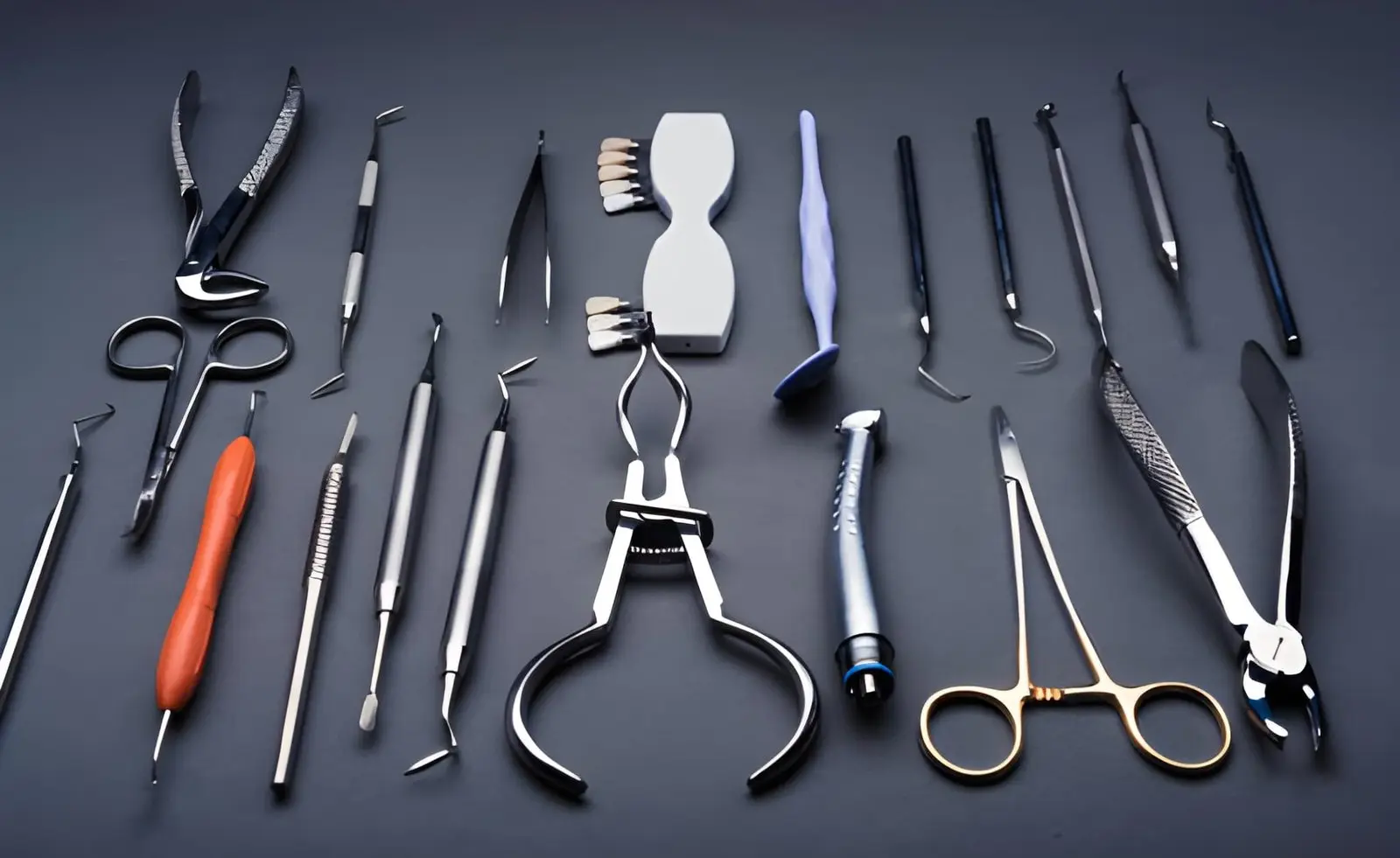
The explorer looks like a thin metal hook. The probe looks like a thin stick with small marks along it. Both tools check the surface of your teeth and the health of your gums.
The explorer runs across each tooth. It checks for soft spots where decay has started. The probe slips between your tooth and gum. It measures how deep that space is.
You may feel light scraping. You may feel small pokes along the gumline. These feelings can be sharp. They should stop as soon as the tool moves away.
The probe helps your dentist find gum disease in the early stage. The Centers for Disease Control and Prevention explain how common gum disease is and how it links to other health problems at this gum disease page. Early care lowers your risk of loose teeth and bone loss.
3. Suction tool
The suction tool is a small plastic or metal tube. It removes spit, water, and bits of plaque from your mouth. It keeps the treatment area dry so your dentist can see clearly.
You may hear a loud whoosh. You may feel the tip grab your tongue or cheek for a moment. You can move your tongue away or raise your hand if it feels strong.
The suction tool helps you breathe with less worry. It keeps you from feeling like you will swallow water. It also lowers the chance that bits of plaque or polish will slide down your throat.
4. Air water syringe
The air water syringe sprays air or water or both. It rinses toothpaste, polish, and debris from your teeth. It also dries teeth so your dentist can see spots and cracks more clearly.
You may feel short bursts of cool water. You may feel air that makes your teeth feel cold. That cold can feel sharp if you have exposed roots or worn enamel.
The air water syringe helps your dentist double check for decay and check how your bite comes together. It also helps keep the mouth clean during each step of care.
5. Scaler and curette
The scaler and curette are hand tools that remove plaque and tartar. Plaque is a soft film. Tartar is hard buildup that forms when plaque sits too long. Brushing cannot remove tartar. Only a dental cleaning can.
The scaler works above the gumline. The curette reaches just under the gumline. Your dentist uses short pulling or pushing strokes to chip away buildup.
You may hear scraping sounds. You may feel pressure on the teeth and gums. If your gums are sore, you might feel sharp pain in some spots. You can ask for a short break or for numbing gel on the gums.
Removing tartar lowers bleeding, swelling, and bad breath. The National Institute of Dental and Craniofacial Research explains how plaque and tartar lead to gum disease at this gum disease overview. Clean roots help your gums hold each tooth firm.
6. Dental X ray equipment
Dental X ray equipment takes pictures of your teeth and jaw. These pictures show what the eye cannot see. They reveal decay between teeth, infections at the root, bone loss, and hidden teeth.
You may bite on a small tab or holder. You may wear a shield over your chest. The camera or sensor sits inside or beside your mouth for a few seconds. The picture is done before you know it.
Modern dental X rays use low levels of radiation. Your dentist only takes them when needed. This balance protects your long term health and still gives a clear view of hidden trouble.
Quick comparison of common tools
| Tool | Main job | What you feel | Key benefit
|
|---|---|---|---|
| Mouth mirror | Let dentist see all sides of teeth | Light pressure on cheek or tongue | Find small decay and cracks early |
| Explorer and probe | Check tooth surfaces and gum pockets | Scraping and small pokes | Spot early decay and gum disease |
| Suction tool | Remove spit, water, and debris | Strong pull and whooshing sound | Keep mouth clear so you breathe with ease |
| Air water syringe | Rinse and dry teeth | Cool water and air on teeth | Improve view of teeth and gums |
| Scaler and curette | Remove plaque and tartar | Firm scraping and pressure | Reduce bleeding gums and bad breath |
| Dental X rays | Take pictures of teeth and bone | Short bite on tab or sensor | Reveal hidden decay and infection |
How this knowledge helps you and your family
When you know these six tools, you gain three things. You feel less fear during visits. You speak up sooner when something hurts. You understand why regular care matters for your whole body, not just your smile.
You can help your child by naming each tool in simple words before a visit. You can say mirror, straw, water sprayer, and camera. You can explain what they might feel. Clear words calm young minds and give them courage.
Regular checkups and cleanings, paired with daily brushing and flossing, keep small problems from turning into emergencies. Your dentist uses these tools to work with you, not on you. With shared effort, your teeth stay strong and your smile stays steady through each stage of life.
Also Read