
Sumac and Allspice: Bold, Aromatic Spices That Elevate Global Cuisine
Sumac and allspice are two unique spices widely used in traditional and modern cooking around the world. Both bring distinct flavors, rich aromas, and cultural depth to food. Sumac adds a tangy, citrus-like flavor to dishes. Allspice brings a warm, rich taste with hints of cinnamon, clove, and nutmeg. These spices are simple yet powerful additions that can completely transform everyday meals.
Sumac
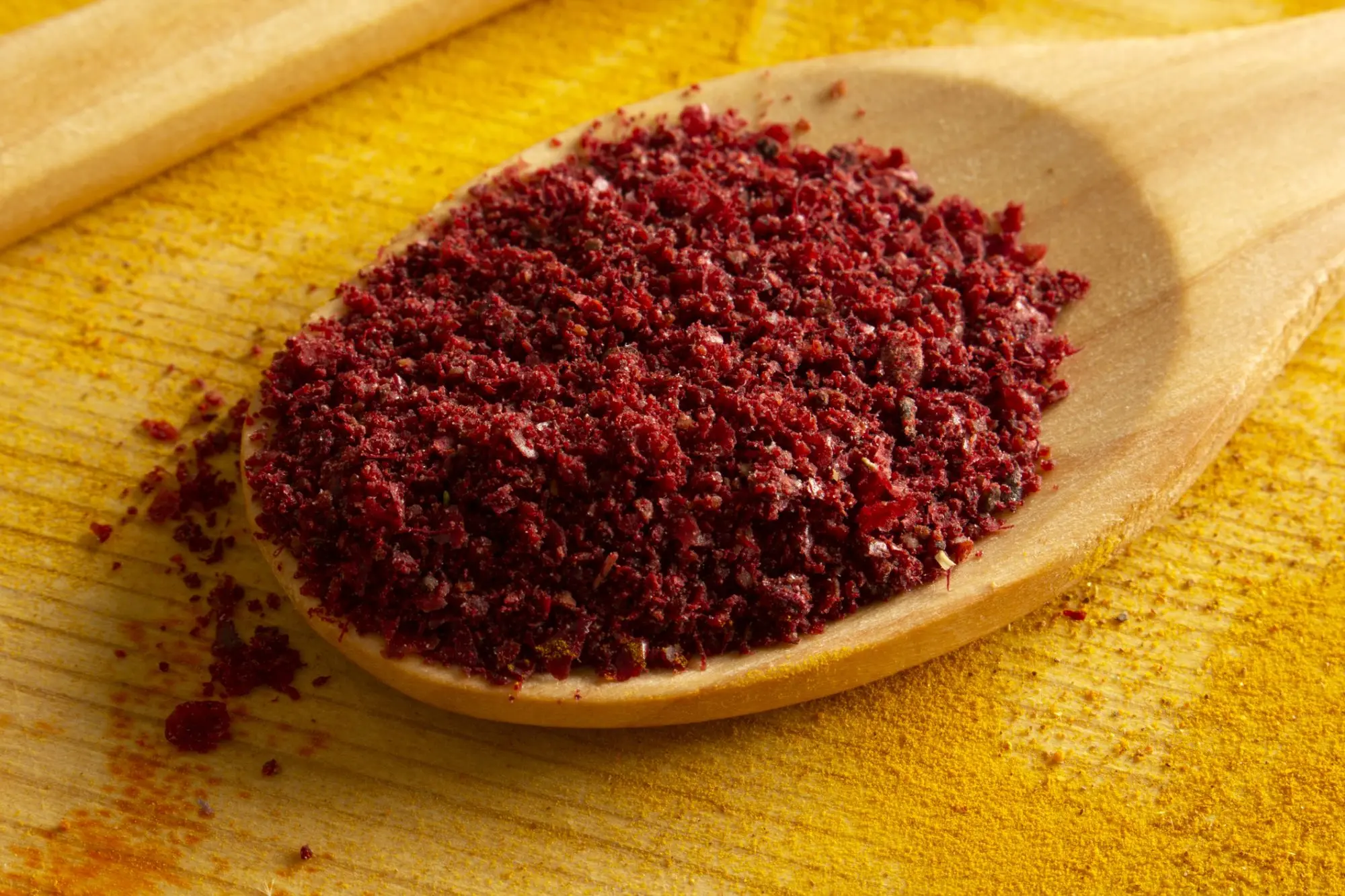
Sumac Allspice is a dark red spice made by grinding dried berries from the Rhus plant. It is commonly used in Middle Eastern and Mediterranean dishes for its tangy citrus flavor and rich color. It adds acidity to dishes without the need for lemon juice or vinegar, making it a versatile finishing spice.
Flavor Profile of Sumac
- Bright and tangy
- Slightly fruity and citrus-like
- A gentle, tangy flavor without strong acidity.
Uses of Sumac
- Sprinkled over salads and grilled meats
- Added to rice and grain dishes
- Used in popular spice blends such as za’atar.
- Mixed into marinades and dressings
Sumac is often used as a finishing spice because it adds flavor without overpowering the dish.
Allspice
Allspice is a dried berry spice from the Pimenta dioica plant. Despite its name. It is a single spice, not a blend of multiple spices. Its flavor naturally combines notes of cinnamon, nutmeg, clove, and pepper. It is widely used in Caribbean, Middle Eastern, and baking recipes due to its warm and aromatic profile.
Flavor Profile of Allspice
- Warm and slightly sweet
- Spicy with clove-like depth
- Subtle hints of cinnamon and nutmeg.
Uses of Allspice
- Seasoning for meats and stews
- Used in baking
- Added to marinades and sauces
- An essential ingredient in Caribbean jerk seasoning.
Allspice is valued for its ability to add complexity and warmth to both savory and sweet dishes.
How to Use Sumac and Allspice in Cooking
Sumac Uses:
- Sprinkle over roasted vegetables
- Add to hummus and yogurt dips
- Season grilled chicken or fish
- Mix into fresh salads for brightness
Allspice Uses:
- Add to slow-cooked meats and stews
- Use in cakes, cookies, and desserts
- Mix into spice rubs and marinades
- Enhance soups and rice dishes
Why These Spices Are Valuable
Sumac and allspice are popular because they:
- Add depth and complexity to food
- Reduce the need for extra salt or artificial flavoring
- Work across multiple cuisines and cooking styles
- Enhance both savory and sweet recipes
They are simple pantry staples that bring global flavors into everyday cooking.
Recipe Ideas Using Sumac and Allspice
If you want to explore these spices beyond basic seasoning, sumac and allspice can be used in many creative and flavorful ways. Their unique profiles make them suitable for both traditional and modern recipes.
1. Sumac Lemon Rice
Cook rice and finish it with olive oil, lemon zest, and a sprinkle of sumac. This adds a tangy, refreshing brightness to a simple side dish.
2. Grilled Vegetables with Sumac
Toss zucchini, bell peppers, and eggplant with olive oil, garlic, and sumac before grilling for a light, citrusy finish.
3. Allspice Beef Stew
Add whole or ground allspice to slow-cooked beef stew. It enhances the richness of the meat with warm, deep spice notes.
4. Spiced Hot Chocolate with Allspice
A small pinch of allspice in hot chocolate adds a cozy, aromatic twist with hints of cinnamon and clove.
Best Flavor Results
- Use sumac as a finishing spice instead of cooking
- Lightly toast allspice berries before grinding to release a stronger aroma
- Combine sumac with olive oil or yogurt for dressings and dips
- Use allspice in small amounts, as its flavor is naturally strong
- Store both spices in airtight containers to preserve freshness
Proper use ensures maximum flavor impact in every dish.
Why Sumac and Allspice Work So Well in Modern Cooking
Modern cooking often focuses on bold yet balanced flavors. And both sumac and allspice fit perfectly into this trend. Sumac adds tangy acidity without liquid. Allspice adds warm, deep flavor without needing multiple spices.
They are especially useful in:
- Fusion cuisine
- Cooking styles
- Plant-based recipes
- Global-inspired dishes
Their versatility makes them valuable ingredients in both home kitchens and professional cooking.
Final Conclusion
Sumac and allspice are two distinct but equally powerful spices that bring global flavor into everyday cooking. Sumac adds a refreshing tang that brightens meals, while allspice delivers a warm, aromatic depth that enhances both savory and sweet recipes. Together, they offer a simple way to elevate food naturally, making every dish more flavorful, balanced, and enjoyable.
Frequently Asked Questions (FAQs)
1. What is sumac used for in cooking?
Sumac is commonly used as a finishing spice to add a tangy, lemon-like flavor to salads, grilled meats, rice dishes, and dips like hummus.
2. What does allspice taste like?
Allspice has a warm, slightly sweet, and spicy flavor with notes similar to cinnamon, cloves, nutmeg, and pepper combined.
3. Can sumac and allspice be used together?
Yes, they can be used in the same kitchen, but usually in different types of dishes—sumac for tangy freshness and allspice for warm depth.
4. Is sumac sour like lemon?
Sumac has a citrus-like tanginess, but it is milder and less acidic than lemon juice.
5. What dishes can I use allspice in?
Allspice is used in stews, meat dishes, soups, baking recipes, and spice blends like jerk seasoning.
6. Should sumac be cooked or used raw?
Sumac is best used as a finishing spice and is usually sprinkled on food after cooking to preserve its fresh, tangy flavor.
Also Read