Unexpected Changes That Can Improve Your Home Without Decorating
A home can feel noticeably better without changing its color scheme, buying new furniture, or following the latest interior trends. Often, the biggest improvements come from practical changes that make everyday routines easier, spaces more functional, and technology more reliable.
From upgrading connectivity to rethinking how rooms are used, here are a few ways to improve your home without decorating.
Improve Your Home Internet Setup
A reliable internet connection has become an important part of how a modern home functions. Households may have several people working, studying, streaming entertainment, gaming, or using smart devices at the same time, therefore placing greater demands on the home network.
Reviewing your current internet service and router setup can therefore make a noticeable difference to daily life. For households comparing connectivity options, researching services such as Minneapolis fiber internet can be part of creating a home setup that is better equipped for bandwidth-heavy activities.
It can also help to rethink where your router is positioned. Moving it away from enclosed cabinets or placing it in a more central location may improve wireless coverage throughout the home.
Change the Way You Use a Room
You do not necessarily need to redecorate a room to make it more useful. Sometimes, simply changing its purpose can transform how much value it provides.
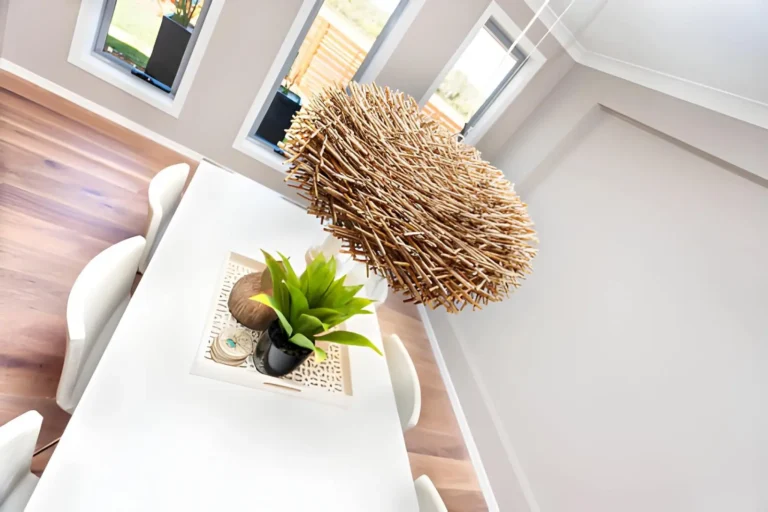
A rarely used dining room could double as a workspace during the day, while an unused corner of a bedroom might become a reading area. Even creating a designated spot for hobbies, exercise, or household administration can make your home feel more organized.
Think about how you actually live rather than how each room was traditionally intended to be used.
Introduce Better Storage Systems
Clutter can make even a spacious home feel smaller. Improving storage is therefore one of the simplest ways to change how your home feels without altering its decor.
Drawer organizers, under-bed storage, shelving inside cabinets, and clearly labeled containers can help make better use of existing space. Creating designated locations for frequently misplaced items such as keys, chargers, and paperwork can also make everyday routines smoother.
The goal is not necessarily to own less, but to make your possessions easier to find and manage.
Upgrade Your Lighting Functionality
Changing your lighting does not have to involve replacing decorative fixtures. Instead, focus on how and when different areas of your home are illuminated.
Motion-activated lights can be useful in hallways, closets, garages, and outdoor spaces. Smart bulbs and switches can also allow you to schedule lighting or control it remotely. Adding task lighting to workspaces and kitchens may make specific activities more comfortable without changing the overall appearance of the room.
Improve Air Quality and Comfort
Small changes to the indoor environment can have a surprisingly large impact. Regularly replacing HVAC filters, improving ventilation, using air purifiers where appropriate, and checking humidity levels can all contribute to a more comfortable home.
You might also consider sealing drafts around windows and doors. These improvements are largely invisible but can help maintain a more consistent indoor temperature and potentially reduce unnecessary energy use.
Make Your Home Work Better for You
Not every home improvement needs to be visible. In fact, some of the most valuable changes are the ones that quietly make everyday tasks easier.
By improving connectivity, reorganizing storage, reconsidering how rooms are used, and focusing on practical comfort, you can create a home that works better for your lifestyle without redecorating at all. Sometimes, improving a home is less about changing how it looks and more about changing how well it supports the people living in it.
Also Read