Understanding Dental Treatment Plans: Priority, Timing, And Cost
You leave the dental chair with a list of treatment needs, a rough timeline, and numbers that do not feel small. That moment can be hard, especially if you are looking for guidance from a family dentist in Lutz, FL. You may be trying to sort out what hurts now, what can wait, and what your budget can handle without making things worse later. A dental treatment plan is supposed to bring order to that stress, but if no one explains the priority, timing, and cost in plain language, it can feel like one more thing to manage.
The good news is that most plans follow a clear logic. Pain, infection, and damage that can spread usually come first. Problems that are stable but likely to worsen come next. Cosmetic or elective work usually comes later. Once you see that order, the plan starts to feel less like a pile of procedures and more like a series of steps you can actually make decisions about.
Dental treatment planning starts with urgency, not cosmetics
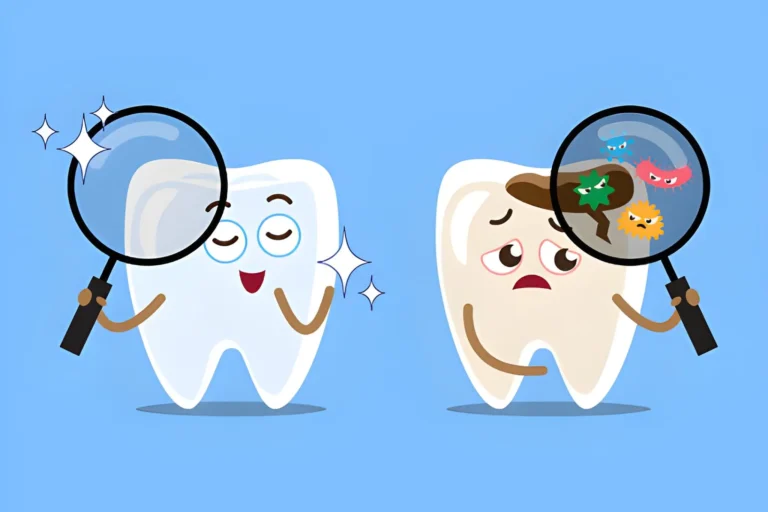
Most general dentist offices build treatment plans around risk. If you have swelling, an abscess, a broken tooth with nerve pain, or gum disease that is actively damaging bone, those issues rise to the top. They affect your health, your sleep, and your ability to eat. They also tend to get more expensive when they are delayed.
That is why an exam matters. A proper dental exam gives your dentist the basic facts needed to rank treatment by urgency. X rays, gum measurements, visible decay, cracked fillings, and bite wear all help show what is active, what is stable, and what can be watched for a while.
You might hear terms like “phase one” or “priority one.” In plain terms, that often means getting you out of pain, stopping infection, and stabilizing the mouth. A filling on a small cavity may wait a few months. A deep cavity close to the nerve may not. A chipped front tooth that bothers you visually may feel urgent, but if there is also untreated gum disease or a failing crown in the back, the health issue usually comes first.
Timing affects both the outcome and the cost of dental care
Delay changes the math. A small cavity can often be treated with a filling. Wait long enough, and that same tooth may need a crown. Wait longer, and you may be looking at a root canal or an extraction. The jump in cost is real, but so is the jump in time, discomfort, and recovery.
Gum disease works the same way, just more quietly. It does not always cause dramatic pain at first, so people push it down the list. Then bleeding becomes recession, recession becomes bone loss, and treatment gets harder. The CDC offers practical oral health tips for adults that support the work your dentist does, especially if you are trying to keep a mild problem from becoming a serious one.
There are also cases where spacing treatment out makes sense. If several teeth need work, your dentist may sequence care around insurance benefits, healing time, or your schedule. If anxiety, travel, childcare, or work make in person visits difficult, telehealth dental care may help with follow up questions, medication reviews, and deciding whether a symptom needs urgent attention.
This is where dental treatment planning becomes less about saying yes or no to everything at once and more about asking the right question. What happens if this is done now, and what happens if it waits three months, six months, or a year?
Understanding dental treatment costs gets easier when you separate needs by level
Many people freeze when they see a full treatment total. That reaction makes sense, but the full number can be misleading if it combines urgent care, preventive care, and elective work into one estimate. A more useful approach is to break the plan into levels.
Level one is urgent treatment. Think pain relief, infection control, decay that is close to the nerve, or unstable restorations. Level two is disease control and prevention. That may include periodontal treatment, replacing failing fillings, or managing areas your dentist wants to monitor closely. Level three is function and long term rebuilding, such as crowns on heavily restored teeth. Level four is cosmetic work.
When you see the plan this way, the cost discussion becomes more honest. You are not choosing between “everything” and “nothing.” You are deciding what protects your health first, what reduces future cost, and what can wait until the timing is better.
Priority, timing, and cost become clearer when you compare the tradeoffs
| Dental issue | Treat soon | Delay treatment | Likely cost trend |
| Small cavity | Usually managed with a filling | May grow deeper and reach the nerve | Lower now, higher later |
| Cracked filling or crown | Can protect the tooth before more breaks occur | Risk of fracture, pain, or decay under the restoration | Moderate now, often much higher later |
| Gum inflammation or early gum disease | Better chance to control with cleaning and home care | Can progress to bone loss and loose teeth | Lower now, higher and ongoing later |
| Tooth infection or severe pain | Fast relief and lower risk of spread | Greater chance of swelling, missed work, and emergency care | Urgent cost now, emergency cost later can be much higher |
| Cosmetic whitening or veneers | May improve appearance | Usually no health consequence if postponed | Often stable and optional |
Understanding a dentist treatment plan starts with three immediate steps
- Ask for the plan in phases. Request that your general dentist separate urgent care, short term stabilization, and elective treatment. You need to know what protects your health first. That single change makes a treatment plan easier to follow and easier to budget for.
- Ask what delay changes. For each item, ask what happens if you wait three months or six months. Some answers will be reassuring. Others will make the decision clearer. This is often the fastest way to understand the real stakes behind the estimate.
- Match the plan to your real life. If money is tight, ask about sequencing treatment over time. If your schedule is the problem, ask whether some follow ups can be handled remotely. If anxiety is the barrier, say that directly. A good general dentist can only help with the obstacles they know about.
You do not need to solve the whole plan in one sitting. You need a clear order, a realistic timeline, and costs tied to actual risk. Once those pieces are on the table, the stress usually drops because the plan starts to make sense. Take the next step by scheduling an exam and asking for your treatment priorities in plain language.
Read more: Margot Robbie : Une Grâce Élancée au Cœur de Hollywood – Celebre Buzz
Margot Robbie : Une Grâce Élancée au Cœur de Hollywood – Celebre Buzz
Hélène Mannarino : Un Nouveau Chapitre S’ouvre avec l’Annonce de sa Grossesse – Celebre Buzz