
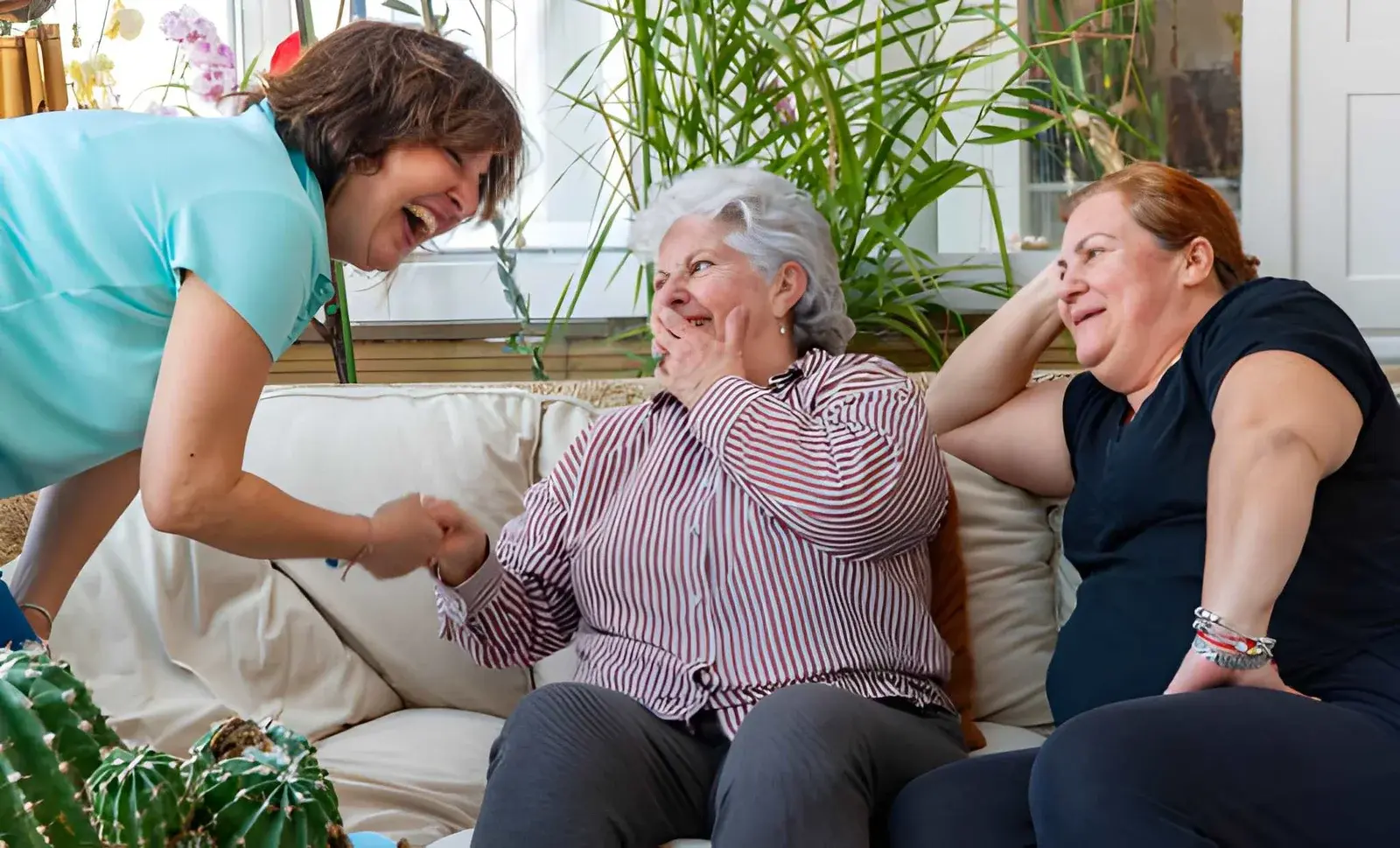
How Personalised In-Home Care Empowers Independence in Older Adults
Most of us share a common goal as we grow older: to remain in the familiar comfort of our own homes. An independent 2026 study on ageing in place readiness revealed a stark contrast between lifestyle desires and practical preparation. While 89 percent of Australians aged 65 and older want to stay in their own homes, their overall readiness score for safely doing so averaged just 51 out of 100.
Bridging this readiness gap requires more than just a strong desire to stay put. It demands structured, personalised in-home care that adapts to individual medical and lifestyle needs over time, ensuring older adults can live safely without compromising their autonomy.
The Changing Landscape of Support at Home
Demand for domestic assistance and clinical support has skyrocketed across the country. As of mid-2025, more than 308,000 Australians were actively utilising Home Care Packages, a figure that has more than doubled over the past five years. Recognising this surging preference for independent living, the Australian Government committed 2.2 billion dollars in its 2024 to 2025 Federal Budget to expand the aged care sector.
These funds have ushered in major structural improvements to affordability. A notable change was the abolition of the mandatory Basic Daily Fee, ensuring older adults only contribute financially when they actively receive non-clinical services. Furthermore, the transition to the new Support at Home model in late 2025 expanded funding tiers from four broad levels to eight ongoing classifications. This policy shift allows care teams to build much more granular, tailored care budgets that reflect exactly what an individual needs.
Finding the Right Support with Local Providers
For those living in large metropolitan hubs like Melbourne, the availability of community-entrenched providers is often the deciding factor in whether they can successfully avoid residential facilities. Partnering with a reputable provider such as iCare4U allows families to seamlessly integrate professional support workers into their weekly routines. By focusing on person-centred care, these professionals ensure that the older adult’s preferences dictate the schedule.
Localised care has proven highly effective for maintaining autonomy. According to recent quarterly reports from the National Disability Insurance Scheme (NDIS), 81 percent of older participants state they have significantly greater choice and control over their daily lives after receiving ongoing support. Demographic tracking confirms this trend, showing that by the end of 2025, the scheme supported over 760,000 Australians, with those over 65 increasingly utilising high-level, complex support plans.
Collaborative care is vital to this process. The 2025 Residents Experience Survey, which gathered feedback from over 44,000 older adults, highlighted that 93 percent of respondents felt they had a direct say in their daily activities when supported by respectful care teams.
Key Components of Comprehensive In-Home Assistance
Modern care plans formally distinguish between different types of assistance, allowing families to mix and match the exact domestic and medical help they require. This structured approach typically includes several distinct categories:
- Everyday Living Services: This covers general domestic help, such as meal preparation, light gardening, and household cleaning, reducing the physical strain on older adults.
- Independence Services: Crucial for daily safety, these services involve mobility assistance, personal hygiene support, and medication management.
- Fully Funded Clinical Care: Under recent national policy updates, services like nursing, physiotherapy, and occupational therapy delivered at home are now government-funded without means testing.
- Restorative Care Pathways: These programmes provide 12 to 16 weeks of intensive, short-term allied health support designed to help individuals regain physical function after a health setback.
- Home Modifications: A newly established Assistive Technology and Home Modifications scheme provides upfront funding of up to 15,000 dollars to safely adapt living spaces with items like ramps and safety rails without depleting general care budgets.
Relieving the Pressure on Families
While the primary goal of in-home support is to empower the older adult, the positive impacts extend deeply into their broader family network. Structured assistance significantly relieves the burden on informal family caregivers. Recent outcome data indicates that the presence of professional support workers correlates with a six-percentage point increase in family caregivers being able to maintain or return to paid employment.
When families are no longer solely responsible for intensive medical tasks or heavy domestic chores, they can focus on spending quality, stress-free time with their loved ones. Ultimately, personalised care is about fostering a dignified, safe, and enriching environment. By taking advantage of tailored funding tiers, modern care pathways, and dedicated local professionals, older Australians can confidently age in place while maintaining their cherished independence.
Also Read