How Addressing Sleep Problems Can Transform Your Mental Health Recovery
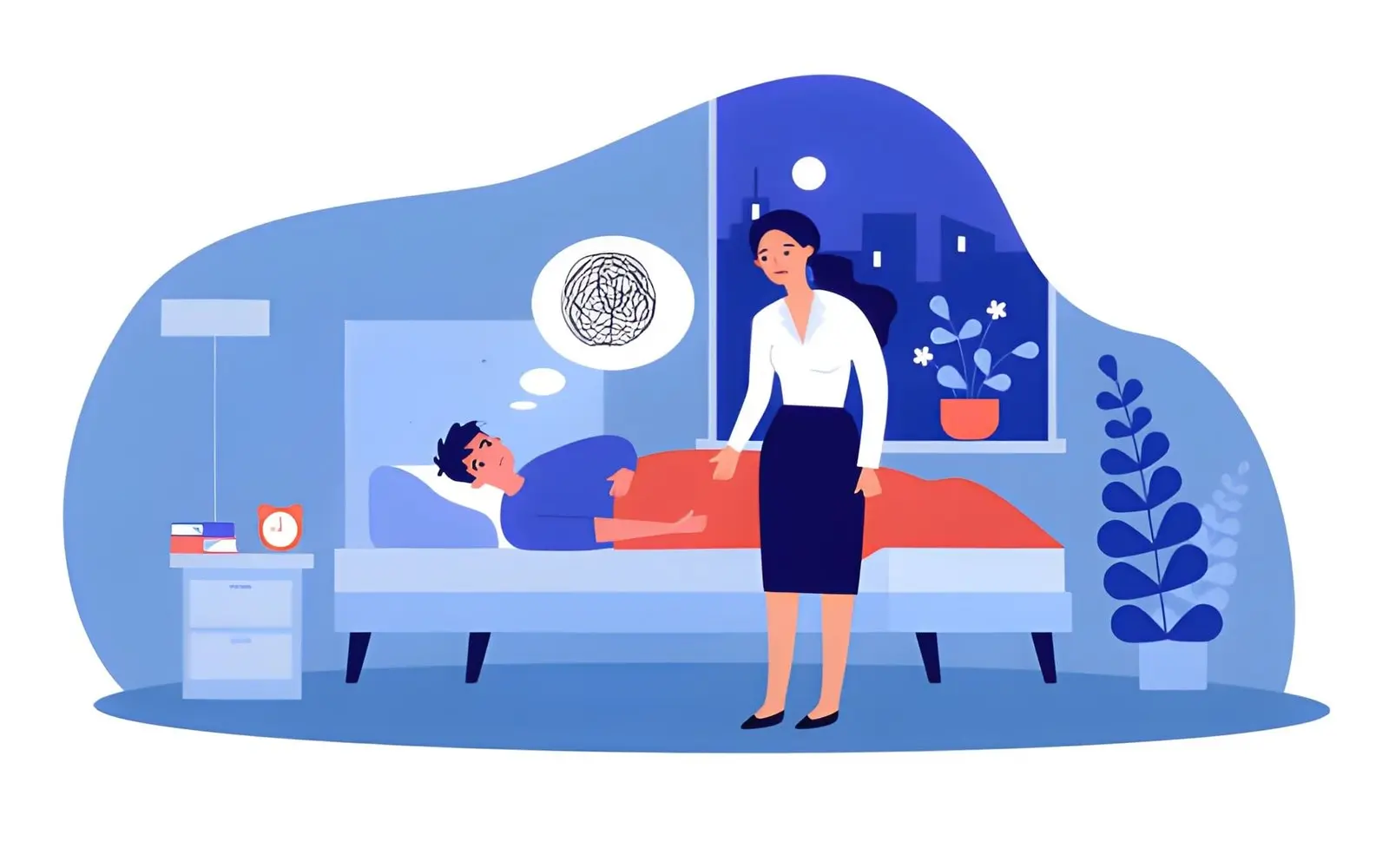
You lie awake at three in the morning, watching shadows crawl across the ceiling while your mind races through every worry you have ever had. The exhaustion feels crushing, yet sleep refuses to come. This pattern has continued for weeks, maybe months, and now it affects everything – your mood, your relationships, your ability to function during the day. If this sounds familiar, you are not alone. Millions of people struggle with disrupted sleep, and for those working through mental health challenges or addiction recovery, the impact can feel especially overwhelming. The good news is that sleep disorder treatment offers real pathways toward restoring the rest your mind and body desperately need.
Poor sleep and mental health difficulties often exist in a frustrating cycle. When you cannot sleep well, your emotional resilience suffers. When your emotional state declines, falling asleep becomes even harder. Breaking this cycle requires more than willpower or hoping things improve on their own. It requires understanding how sleep and mental wellness connect and taking intentional steps toward healing both.
The Hidden Connection Between Sleep and Emotional Health
Your brain does remarkable work while you sleep. During restful nights, your mind processes emotions, consolidates memories, and clears out toxins that accumulate during waking hours. Without adequate sleep, these essential functions suffer. You may notice increased irritability, difficulty concentrating, or heightened anxiety after just one poor night of rest.
For those managing depression, anxiety, trauma responses, or recovery from substance use, sleep disruption can intensify symptoms significantly. Research consistently shows that people experiencing mental health challenges report sleep difficulties at much higher rates than the general population. In many cases, addressing sleep problems becomes a crucial part of overall treatment rather than a secondary concern.
The relationship works both ways. Mental health conditions often disrupt sleep patterns, while chronic sleep deprivation can trigger or worsen psychological symptoms. This bidirectional relationship means that improving sleep quality frequently leads to meaningful improvements in mood, emotional regulation, and overall functioning.
Why Sleep Matters So Much in Recovery
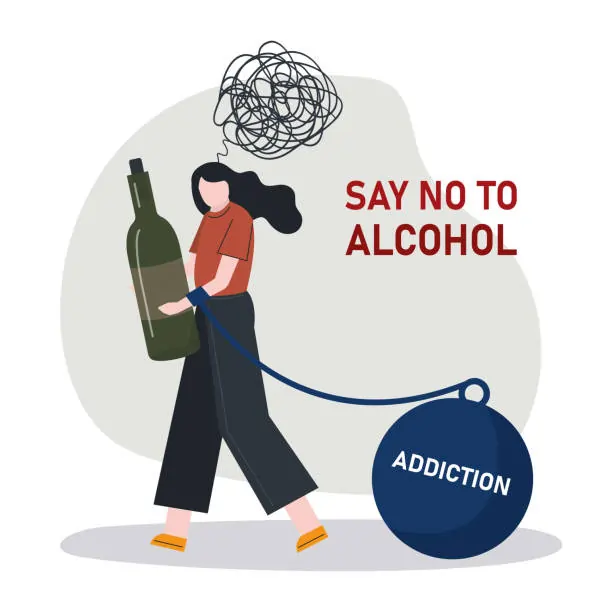
If you are working through addiction recovery, healthy sleep takes on even greater importance. During active substance use, normal sleep architecture often becomes severely disrupted. Alcohol, stimulants, opioids, and other substances interfere with the brain’s natural sleep-wake cycles in different ways. When someone stops using these substances, their sleep patterns may remain disturbed for months or even longer.
This creates a vulnerable period in early recovery. Poor sleep can intensify cravings, reduce impulse control, and make emotional regulation more difficult. Many people in recovery report that sleepless nights feel like their most challenging moments – times when old patterns of thinking return and the desire to use becomes stronger.
However, as sleep improves, many people notice their recovery feels more stable. They handle stress better, think more clearly, and feel more capable of using the coping skills they have learned. For this reason, treating sleep problems often supports and strengthens the broader recovery process.
Recognizing When Sleep Problems Need Attention
Not every restless night indicates a disorder requiring professional attention. Occasional sleep difficulties happen to everyone during stressful periods. However, certain patterns suggest something more significant may be happening.
You might benefit from professional support if you regularly take more than thirty minutes to fall asleep, wake frequently throughout the night and struggle to return to sleep, wake much earlier than intended and cannot rest again, feel unrefreshed despite spending adequate time in bed, or experience excessive daytime sleepiness that interferes with daily activities. These patterns, especially when lasting more than a few weeks, often respond well to proper assessment and treatment.
Many people feel hesitant to seek help for sleep problems, viewing them as minor inconveniences rather than genuine health concerns. This perspective can delay necessary care. Sleep is foundational to physical and mental wellness, and persistent problems deserve the same attention you would give to any other health issue affecting your quality of life.
Therapeutic Approaches That Support Better Sleep
Cognitive behavioral therapy for insomnia, often called CBT-I, has become recognized as one of the most effective approaches for chronic sleep difficulties. Unlike sleep medications, which may provide short-term relief but often lose effectiveness over time, CBT-I addresses the underlying thoughts and behaviors that perpetuate sleep problems.
Through this approach, you learn to identify and change thought patterns that create anxiety around sleep. You also develop healthier sleep habits and routines that support your body’s natural rhythms. Many people find that these skills remain effective long after formal treatment ends, giving them tools they can use whenever sleep difficulties resurface.
Other therapeutic modalities can also support sleep improvement. Mindfulness-based approaches help reduce the mental chatter that keeps many people awake. Trauma-informed care addresses nightmares and hyperarousal that frequently disrupt sleep in those with trauma histories. Group therapy settings allow people to share experiences and strategies with others facing similar challenges.
Building a Foundation for Restful Nights
While professional treatment often plays an important role, daily habits significantly influence sleep quality as well. Creating an environment and routine that supports rest can enhance the benefits of any formal treatment you pursue.
Consistency matters tremendously when it comes to sleep. Your body thrives on regular patterns. Going to bed and waking at similar times each day – even on weekends – helps regulate your internal clock. This regularity may feel challenging at first, especially if your sleep schedule has become erratic, but most people find their bodies adjust within a few weeks.
Your environment sends signals to your brain about whether it is time to rest or remain alert. A cool, dark, quiet bedroom generally promotes better sleep. Reducing screen time in the hour before bed helps your brain wind down naturally. Many people find that establishing a calming pre-sleep routine – perhaps reading, gentle stretching, or breathing exercises – creates helpful transition time between the activity of the day and the stillness of night.
The Role of Holistic Wellness in Sleep Health
Sleep does not exist in isolation from the rest of your life. Physical activity, nutrition, stress management, and social connection all influence how well you rest at night. Taking a whole-person approach to wellness often produces better sleep outcomes than focusing on sleep alone.
Regular physical movement during the day can improve sleep quality significantly. However, timing matters – vigorous exercise too close to bedtime may leave you feeling energized rather than ready for rest. Many people find that morning or afternoon activity works best for supporting nighttime sleep.
What you consume also affects your rest. Caffeine can interfere with sleep for many hours after consumption. Alcohol, while it may feel sedating initially, often disrupts sleep architecture and leads to more fragmented rest. Heavy meals close to bedtime can cause discomfort that makes falling asleep difficult. Paying attention to how different foods and drinks affect your sleep allows you to make choices that support your goals.
Supporting Someone You Care About
If someone in your life struggles with sleep and mental health challenges, your support can make a meaningful difference. Simply acknowledging their difficulties without judgment creates space for them to share their experiences. Encouraging healthy routines and offering to participate in calming evening activities together can help them build better habits.
At the same time, recognizing the limits of what you can provide is important. Professional treatment offers specialized knowledge and techniques that informal support cannot replace. Gently encouraging your loved one to seek appropriate care, while respecting their autonomy to make their own decisions, strikes a helpful balance.
Family members and close friends often notice sleep problems before the person experiencing them fully recognizes the severity. If you observe significant changes in someone’s sleep patterns, energy levels, or mood, bringing up your observations with care and concern may prompt them to seek help sooner.
Moving Toward Lasting Change
Improving sleep when it has been disrupted for a long time rarely happens overnight. Patience with the process and realistic expectations help you stay committed even when progress feels slow. Small improvements build on each other over time, gradually shifting your relationship with sleep from one of struggle to one of restoration.
Setbacks will likely occur along the way. Stressful life events, changes in routine, illness, and other factors can temporarily disrupt even well-established sleep patterns. Viewing these setbacks as temporary interruptions rather than permanent failures allows you to return to healthy habits more quickly.
The goal is not perfect sleep every single night but rather a general pattern of restful, restorative rest that supports your mental health and overall functioning. With appropriate treatment and consistent effort, this goal remains achievable for most people, regardless of how long sleep problems have persisted.
Finding the Right Support for Your Journey
Taking the first step toward addressing sleep difficulties can feel daunting, but you do not have to figure everything out alone. Mental health professionals, sleep specialists, and integrated treatment programs can assess your specific situation and recommend approaches tailored to your needs. Organizations like Northern California Mental Health offer resources and support for those ready to prioritize their sleep and mental wellness. Whatever path forward you choose, remember that seeking help reflects strength and self-awareness rather than weakness. Better rest is possible, and it may transform more than just your nights – it can change how you experience every waking moment as well.
Also Read