
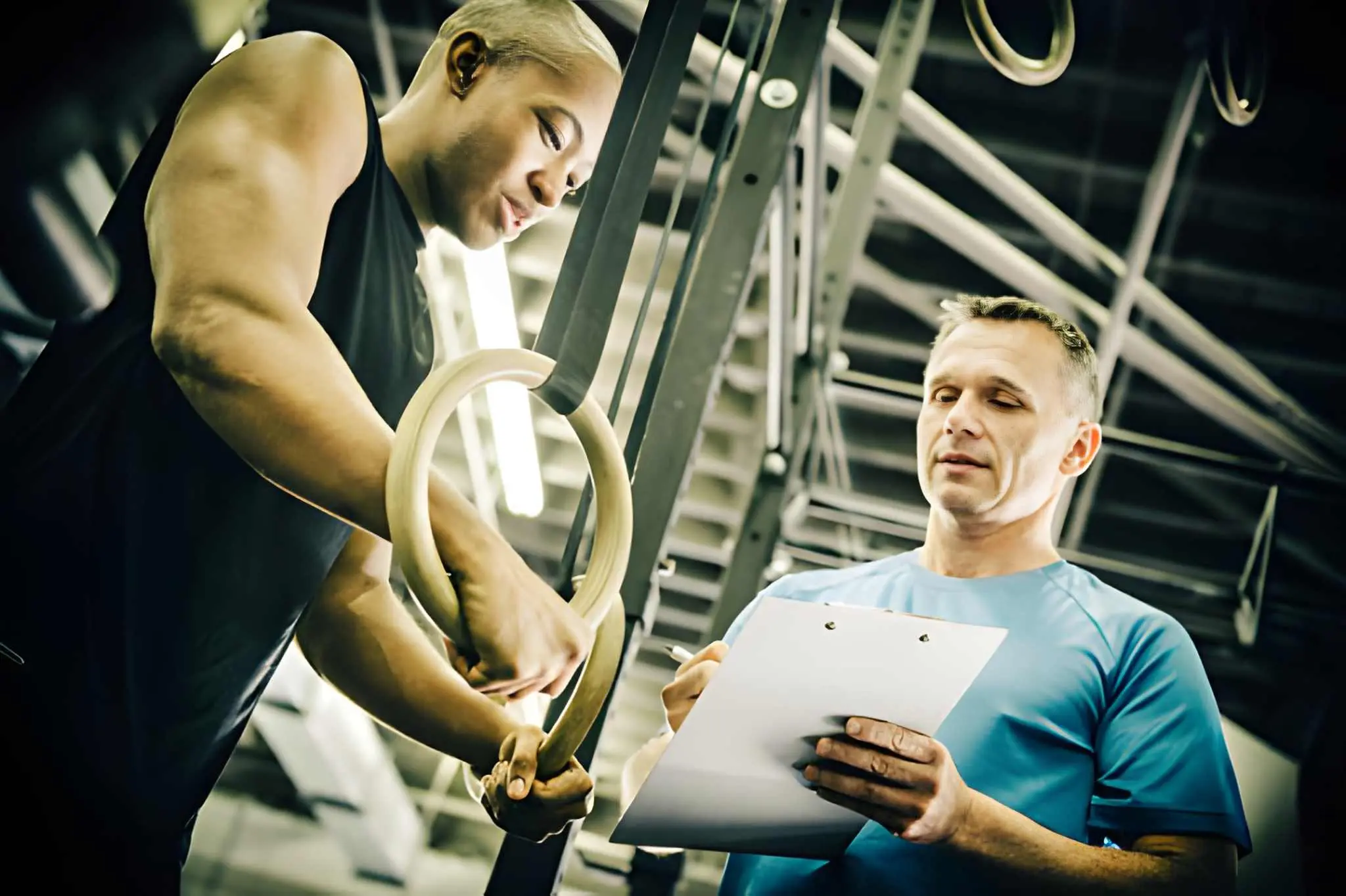
Why Athlete Evaluation Is So Important
Before any training plan begins, coaches need to understand who they are working with. Testing helps trainers see strengths, limits, and movement habits. Without this step, programs are often based on guesswork. That can slow progress or raise injury risk.
For the CPR Certification Now audience, safety and smart preparation are key values. Proper evaluation supports both. It helps trainers make better decisions and helps athletes feel confident in their training plan. When testing is done well, it builds trust and sets clear goals.
Good evaluation is not about pushing athletes to their limits. It is about learning how their bodies move, respond, and recover. This knowledge guides every training choice that follows.
What Makes a Good Assessment Process
An effective assessment is clear, simple, and repeatable. It focuses on quality, not just numbers. Trainers should look for patterns, not perfection.
Strong assessment processes share common traits:
- Clear purpose for each test
- Safe setup and instructions
- Consistent testing conditions
- Easy to track and repeat later
When trainers approach assessing athletes with care, the results become meaningful. The goal is not to label athletes but to understand them better.
Clear communication during testing also helps athletes stay relaxed and focused.
Movement Screening Comes First
Movement quality should be checked before strength or power. Poor movement patterns can increase injury risk when load or speed is added.
Common movement checks include:
- Squatting with bodyweight
- Lunging forward and backward
- Reaching overhead
- Balancing on one leg
These tests show how joints work together. They highlight issues with mobility, balance, or control. Trainers can then adjust programs to fix problems early.
Movement screening lays the foundation for safe progress.
Testing Core and Stability Control
Core control supports all athletic movement. Testing stability helps trainers understand how well athletes manage posture and balance.
Simple stability checks include:
- Plank holds with proper form
- Side balance holds
- Controlled rotation movements
- Single leg stance tests
These tests reveal how well deep muscles support the spine and hips. Weak stability often leads to compensation in other areas.
Results from these tests guide exercise selection and progression.
Measuring Strength Safely
Strength testing does not always mean lifting the heaviest weight possible. Safer options provide valuable insight without unnecessary risk.
Effective strength checks may include:
- Submaximal lifts with good form
- Repetition based tests
- Bodyweight strength movements
- Isometric holds for time
When assessing athletes, trainers should watch technique closely. Poor form tells more than high numbers. Strength testing should support learning, not ego.
These results help trainers choose proper loads and progression speed.
Evaluating Power and Speed
Power and speed testing show how quickly force can be produced. These qualities matter for many sports but should only be tested after basic strength and control are confirmed.
Examples of power and speed checks include:
- Vertical jump tests
- Short sprint timing
- Medicine ball throws
- Quick change of direction drills
These tests should be short and well rested. Fatigue affects accuracy and safety. Trainers should record results and compare them over time, not just once.
Power testing adds another layer of understanding to athlete profiles.
Endurance and Work Capacity Checks
Endurance testing shows how well athletes handle repeated effort. It helps trainers plan conditioning levels and recovery needs.
Simple endurance tests may include:
- Timed bodyweight circuits
- Repeated sprint efforts
- Controlled aerobic challenges
- Recovery time tracking
Results guide conditioning plans and help avoid overtraining. Athletes with low work capacity may need slower progress and more rest.
Testing endurance supports long term performance and health.
Using Results to Guide Training Plans
Testing only matters if results are used wisely. Trainers should turn data into clear actions. Athletes benefit when feedback is simple and positive.
Good follow up includes:
- Explaining results in plain language
- Setting realistic short term goals
- Adjusting training intensity
- Retesting at regular intervals
Assessing athletes is not a one time task. It is an ongoing process that supports growth. Progress becomes visible and motivating.
Clear records also help trainers stay consistent and organized.
Safety and Ethical Responsibility
Testing carries responsibility. Trainers must prioritize athlete safety and comfort. Pushing too hard during testing can harm trust and health.
Key safety reminders include:
- Proper warm up before tests
- Clear instructions and demonstrations
- Stopping tests if pain appears
- Respecting athlete limits
Education driven fitness environments emphasize responsibility. Ethical testing builds confidence and long term success.
Education for Strength Professionals
Understanding assessment methods requires training and experience. Fitness professionals benefit from structured learning that covers testing, interpretation, and program design.
Education supports:
- Better test selection
- Safer testing procedures
- Accurate result analysis
- Professional confidence
Many professionals expand their knowledge through resources such as
www.americansportandfitness.com/products/strength-conditioning-certification
Strong education leads to better coaching and safer athletes.
Bringing Assessment Into Everyday Practice
Assessment is the starting point of effective training. It helps trainers make smart choices and helps athletes feel supported. When done with care, it improves performance and reduces injury risk.
By consistently assessing athletes, trainers build programs based on facts, not assumptions. Progress becomes clearer and more reliable.
For communities that value safety, education, and performance, assessment fits naturally. It turns training into a thoughtful process rather than random effort. When athletes are understood first, training becomes more effective for everyone involved.
Also Read-When and Why Homeowners Consider Upgrading Their Heating Technology
