
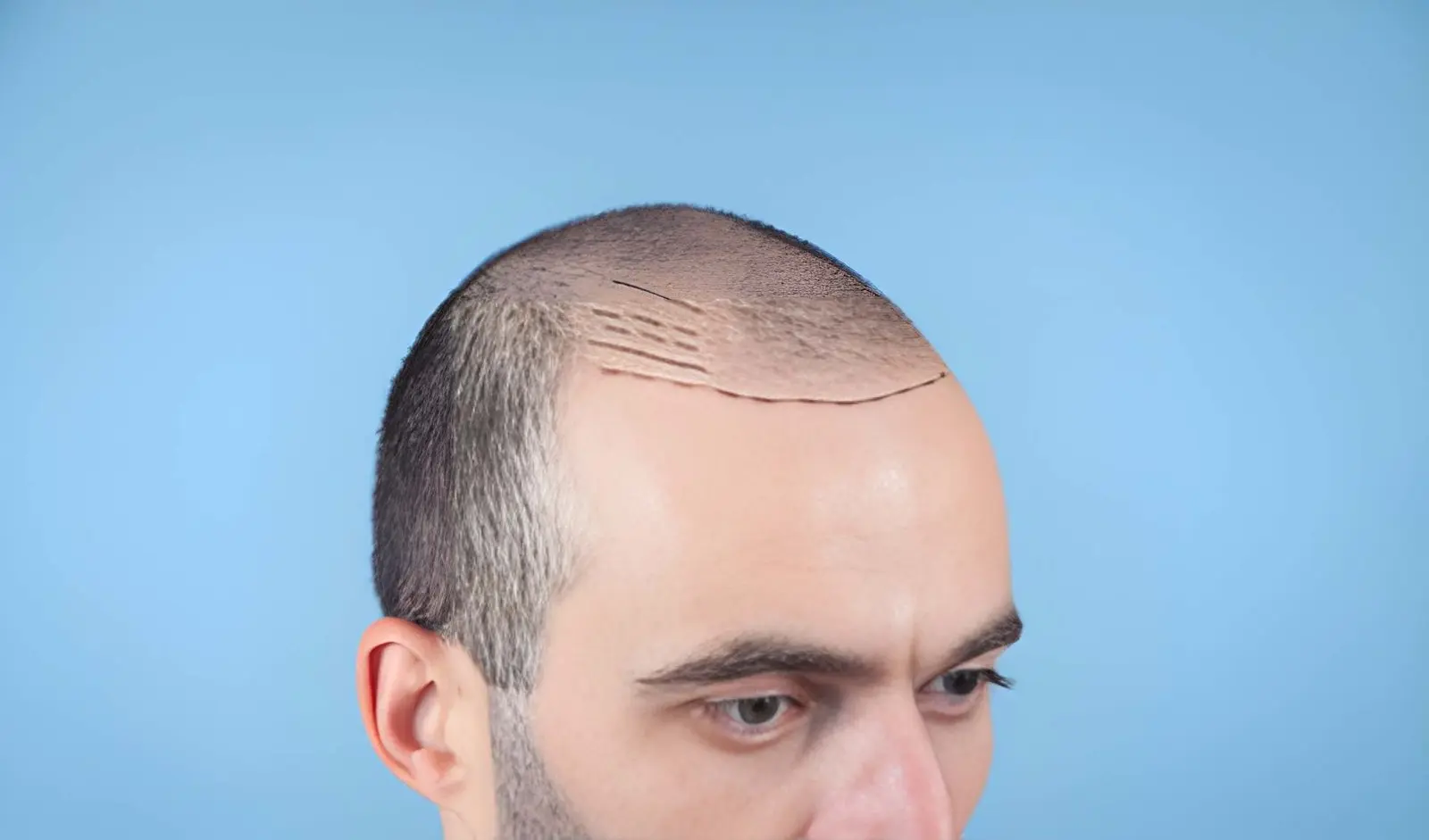
Yes, transplanted hair can temporarily fall out after the procedure, and this is a normal stage of recovery. Many patients wonder whether transplanted hair falls out, especially during the first few weeks after surgery when shedding may occur.
This early loss happens because the transplanted follicles enter a resting phase before new growth begins.
Although the visible strands may shed, the follicles remain alive beneath the scalp and will typically produce new hair within a few months.
Understanding this cycle helps patients recognize that shedding is often part of the natural healing process rather than a sign that the transplant failed.
Key Takeaways
- Transplanted hair often sheds within the first few weeks after surgery, a normal stage known as shock loss that occurs while the follicles adapt to their new location.
- Even when transplanted strands fall out, the follicle roots usually remain alive beneath the scalp and begin producing new hair during the following months.
- The typical regrowth timeline starts around months three to four, with thicker and more visible results appearing between six and twelve months after the procedure.
- Temporary thinning may also affect surrounding native hair due to surgical stress or telogen effluvium, but this usually resolves as the scalp completes the healing process.
Why Hair Sheds After a Hair Transplant
It is common to see hair loss after hair transplant surgery during the first few weeks. This occurs because the follicles experience temporary stress after being moved from the donor area to the scalp.
When transplanting grafts, surgeons place follicles into small incisions in the scalp. The procedure briefly disrupts the blood supply, which causes the visible hairs to enter a resting phase.
As a result, the transplanted strands often fall out before the new growth cycle begins.
During this period patients may feel concerned about losing hair after transplant, but the follicles themselves usually remain intact beneath the skin.
What Happens to Hair Grafts After Surgery
Once the procedure is complete, the newly implanted hair grafts begin adapting to the scalp environment. This adaptation period is a normal part of the healing process.
Several biological changes take place after surgery:
- The follicles reconnect with surrounding tissue
- The blood supply stabilizes in the transplanted region
- The follicles enter a resting phase before regrowth
- Temporary hair transplant shedding occurs
Even though the visible hairs shed, the follicle roots remain in place and eventually produce new strands.
The Normal Hair Transplant Shedding Phase
The shedding stage is often called hair transplant shedding or shock loss. This phase typically begins within two to four weeks after surgery.
During this stage patients may notice post hair transplant hair loss, which can make the scalp appear similar to how it looked before treatment. The shedding occurs because the follicles temporarily shift into the telogen phase of the hair cycle.
Typical features of this phase include:
- Shedding of transplanted strands in the recipient area
- Temporary thinning around transplanted areas
- Short hairs falling out during washing or brushing
- Gradual stabilization after several weeks
This reaction is normal and is considered part of the body’s recovery response.
Can Transplanted Hair Fall Out Permanently?
Patients often ask if transplanted hair falls out permanently. In most cases the answer is no, provided the procedure was performed correctly and the follicles survived the transplant.
Permanent loss is uncommon but may occur in certain situations:
- Poor surgical technique during follicular unit extractions
- Damage to follicles during implantation
- Underlying scalp conditions affecting follicle survival
- Lack of proper post procedure care
For this reason patients should choose experienced hair transplant surgeons who follow precise graft placement and preservation methods.
What Happens to Native Hair Around the Transplant
Another concern patients have involves nearby native hairs. These original hairs may temporarily thin due to surgical stress or swelling.
This reaction is sometimes linked to telogen effluvium, a temporary condition where hair enters the resting phase earlier than usual. It may cause some surrounding strands to fall out for a short time.
Important facts about native hair during recovery:
- It may thin temporarily near the recipient area
- The follicles usually recover within a few months
- Regrowth typically occurs once the scalp stabilizes
- The transplant itself does not permanently damage existing hair
Because of this, temporary thinning should not be mistaken for transplant failure.
When New Hair Begins to Grow
New growth does not begin immediately after the transplant. The follicles first remain dormant while the scalp heals and circulation improves.
A typical regrowth timeline looks like this:
- Weeks 2 – 4: transplanted hairs fall out during shedding
- Months 2 – 3: follicles remain in a resting stage
- Months 3 – 4: early new growth begins
- Months 6 – 12: thicker and stronger hair develops
As the follicles reactivate, hair grows gradually and blends with surrounding hair.
Patients often notice thin strands first before full density appears.
How FUE Hair Transplantation Influences Shedding
Many modern procedures rely on fue hair transplantation, a technique that removes individual follicle units instead of a strip of scalp.
This method has several advantages for recovery:
- Smaller incisions in the scalp
- Faster healing in the donor area
- Reduced scarring
- More natural distribution of part of the hair
Even with this method, hair transplant shedding still occurs because it is linked to the hair cycle rather than the surgical technique.
Factors That Affect Hair Growth After a Transplant
Several biological and procedural factors influence long term outcomes.
These include:
- Skill of the hair transplant surgeons performing the procedure
- Quality of follicles taken from the donor area
- Proper placement in the recipient area
- Individual healing response
Lifestyle habits can also affect recovery. Smoking, poor nutrition, and scalp inflammation may slow the healing process.
In the middle of recovery, many patients research clinics known for advanced graft placement techniques, including a reputable hair transplant clinic in Miami, where surgeons focus on precise follicle handling and natural hairline design.
When Shedding Could Be a Problem
While shedding is expected, certain symptoms may require medical evaluation.
Potential warning signs include:
- Persistent redness or infection
- Excessive swelling around transplanted areas
- Severe or prolonged post hair transplant hair loss
- Visible damage to the graft sites
In rare cases these symptoms may signal complications or a surgical side effect that requires treatment.
Patients should contact their clinic if these issues appear.
Long Term Results After Hair Transplant Surgery
Once recovery is complete, transplanted follicles usually behave like normal scalp hair. Because they originate from the donor area, they often retain resistance to pattern hair loss.
Over time, the transplanted follicles continue producing strands as part of the natural growth cycle.
The final outcome depends on several factors:
- Density of transplanted hair grafts
- Distribution of follicles across the scalp
- Stability of surrounding native hairs
- Patient adherence to post surgery care instructions
With proper technique and recovery, the transplanted follicles can continue producing hair for many years.
Understanding the recovery cycle helps patients avoid unnecessary concern during the early stages of healing. Shedding after surgery is usually temporary and represents a normal stage of follicle adaptation before lasting growth begins.
Also Read
