
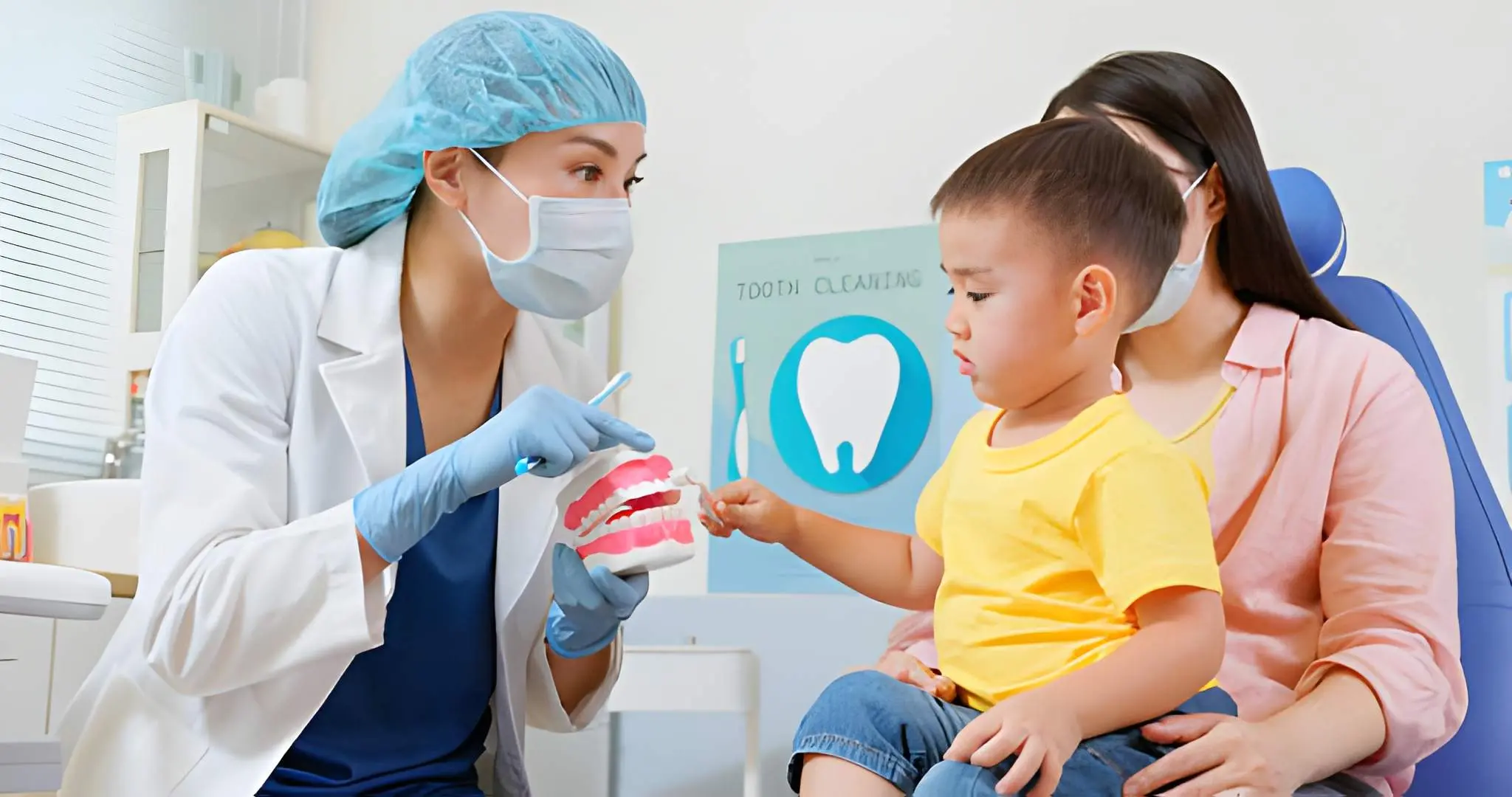
Your child’s teeth do not follow a script. Charts can help, but real mouths tell their own story. You may see one tooth arrive early and another wait for months. That gap can stir worry, guilt, or confusion. You are not alone in that. This blog explains what tooth eruption charts actually show, what they miss, and when a delay means something more. It also points to simple steps you can take at home to protect new teeth from the first day they appear. Next, you will see how teething, tooth order, and spacing connect to speech and eating. You will also learn when it is time to call a pediatric dentist in Cary, NC for a closer look. By the end, you will know what is normal, what is not, and how to stay calm while your child’s smile grows.
What eruption charts really show
Eruption charts give you average age ranges. They show when most children get each tooth. They do not promise exact dates. They do not show your child’s unique pace.
Here is a simple chart based on ranges shared by the American Dental Association. Ages are in months or years.
| Tooth | Baby Teeth Erupt | Baby Teeth Fall Out | Permanent Teeth Erupt
|
|---|---|---|---|
| Front upper and lower (central incisors) | 6 to 12 months | 6 to 7 years | 6 to 8 years |
| Next to front (lateral incisors) | 9 to 16 months | 7 to 8 years | 7 to 9 years |
| Canines | 16 to 23 months | 9 to 12 years | 9 to 12 years |
| First molars | 13 to 19 months | 9 to 11 years | 6 to 7 years |
| Second molars | 23 to 33 months | 10 to 12 years | 11 to 13 years |
Think of this chart as a weather forecast. It shows what usually happens. It does not control what happens in your home.
What is normal variation
Most children follow the same order. The first teeth are lower front teeth. Then upper front teeth. Then side teeth and molars. Yet timing can swing in both directions.
- Some children cut the first tooth at 4 months.
- Others wait until 14 or 15 months.
- Some lose baby teeth at 5 years.
- Others keep them until 8 years.
This spread can still be normal. What matters more is pattern, comfort, and function. You want to see teeth arriving in a steady way. You want your child to eat, sleep, and speak without struggle.
Red flags that need a closer look
You do not need to track every week. You do need to notice a few warning signs. Call a dentist if you see:
- No teeth by 18 months of age
- Only a few teeth by 3 years of age
- Very dark or chalky spots on new teeth
- Teeth that look crowded as soon as they erupt
- Swelling, fever, or bleeding that does not improve
- Jaw injury or a tooth that changes color after a fall
Early checks do not label your child. They protect your child. A short visit can rule out problems and calm your mind.
How teething affects daily life
Teething can bring many changes. You may notice:
- Drooling
- Chewing on hands or toys
- Short bursts of crying
- Changes in sleep
- Less interest in food
Mild fussiness can be part of teething. High fever, rash, or strong sickness usually are not. Those need a medical check. The Centers for Disease Control and Prevention stress that mouth health connects to total body health. So you should not ignore strong symptoms.
Simple ways to support each tooth stage
You can guide your child through each stage with small daily steps.
Before the first tooth
- Wipe gums with a clean, damp cloth after feedings.
- Offer a firm rubber teether from the fridge, not the freezer.
- Avoid teething gels unless a doctor or dentist directs you.
When teeth start to show
- Use a soft baby toothbrush.
- Brush twice daily with a smear of fluoride toothpaste the size of a grain of rice.
- Limit juice and sweet snacks to protect enamel.
When your child can spit
- Around age 3, use a pea sized dot of fluoride toothpaste.
- Teach your child to spit, not swallow.
- Brush for 2 minutes. Help your child until at least age 7 or 8.
How tooth timing links to speech and eating
Teeth shape how your child bites, chews, and forms sounds. Missing or decayed teeth can lead to:
- Preference for soft foods and less interest in firm foods
- Slower chewing and longer meals
- Speech sounds that are hard to form, like “s” or “th”
Teeth do not need to follow the chart to support good speech and eating. They do need to be present, clean, and free of pain. Early care helps your child stay open to new foods and new words.
Baby teeth matter even though they fall out
Some adults say baby teeth do not matter. That view causes harm. Baby teeth:
- Hold space for future permanent teeth
- Guide jaw growth
- Support clear speech
- Allow your child to chew, gain weight, and feel strong
When a baby tooth is lost too soon, nearby teeth can drift. That drift can block permanent teeth and lead to crowding. Early loss can mean longer treatment later.
When to start dentist visits
You can schedule the first dental visit by the first birthday or within 6 months of the first tooth. That early visit lets the dentist:
- Check eruption patterns
- Look for weak spots or enamel defects
- Review brushing and fluoride
- Answer your questions about timing and teething
Regular visits every 6 months help track your child’s unique tooth timeline. You gain a partner who knows your child’s mouth and can spot changes early.
How to use eruption charts without fear
You do not need to track every tooth on a wall chart. You can use eruption charts as one tool among many.
- Use them to see general age ranges and tooth order.
- Use them to prepare for new stages, like molars that may change chewing.
- Use them to write down questions for your child’s dentist.
Try not to compare your child to every other child. Each mouth has its own story. Your role is to notice patterns, support daily care, and seek help when something feels off.
Staying calm while the smile grows
Tooth eruption can spark worry. You might fear you missed a step. You might second guess every choice. That stress can drain you. You deserve clear facts.
Here is what you can hold on to:
- Large timing ranges are normal.
- Patterns, comfort, and function matter more than exact ages.
- Baby teeth deserve the same care as permanent teeth.
- Early dental visits protect your child and guide you.
Your child’s tooth timeline will not match every chart. It does not need to. With steady care, regular checkups, and prompt attention to warning signs, you can protect that growing smile through every stage.
Also Read-5 Ways Accounting Firms Add Value During Business Expansion
