
How General And Cosmetic Dentists Manage Sensitivity In Teeth Being Considered For Whitening
You want a brighter smile, but your teeth already react to cold water, sweet foods, or even a breath of air. That puts you in an uncomfortable spot. You do not want to trade stains for pain, and you do not want to spend money on whitening only to find out your teeth were not ready for it. That concern is valid. Tooth whitening can increase sensitivity in some people, but a careful plan from a family and cosmetic dentist at St. Thomas dental often makes the process much safer and easier to tolerate.
How General And Cosmetic Dentists Manage Sensitivity In Teeth Being Considered For Whitening starts with one basic truth. Sensitive teeth are not all the same. One person has exposed roots from gum recession. Another has worn enamel from grinding. Someone else has a small cavity, a leaking filling, or a crack that only hurts when bleaching gel reaches it. Whitening is not the first step when the tooth is already sending warning signs. The first step is finding out why.
Tooth Sensitivity Before Whitening Needs a Clear Diagnosis
Sensitivity can show up suddenly, and that tends to make people nervous. Sometimes it is mild and short lived. Sometimes it points to a problem that should be treated before any cosmetic work begins. The common causes of sudden tooth sensitivity include enamel wear, gum recession, tooth decay, cracked teeth, and recent dental treatment. Each one changes the whitening plan.
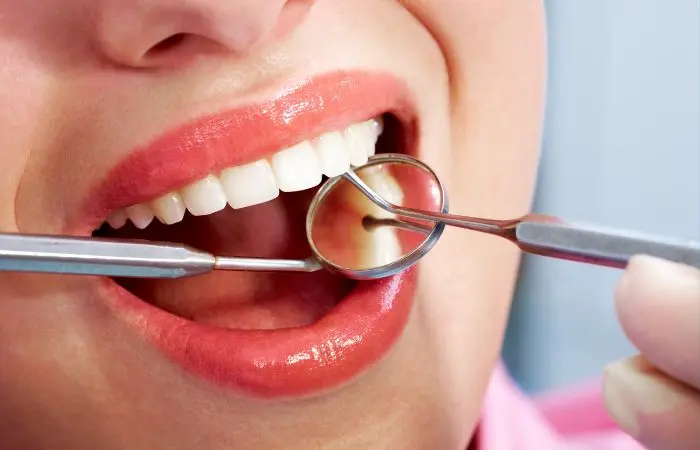
A general dentist usually starts with an exam, X-rays when needed, and a close look at old fillings, gum levels, and bite wear. A cosmetic dentist may assess those same issues and also look at shade goals, visible restorations, and whether whitening will create uneven color between natural teeth and crowns or bonding. If your front teeth are sensitive because of recession, stronger bleach is not the answer. If the pain comes from a cavity, whitening can make a bad situation feel worse fast.
This is where people often get frustrated. Store bought strips seem simple, but they do not screen for cracks, exposed dentin, or inflamed gums. You can follow the directions perfectly and still end up with sharp zingers because the real issue was never the stain. Managing sensitive teeth before whitening means treating the cause, not pushing through it.
General And Cosmetic Dentists Reduce Whitening Pain With Targeted Prevention
Once the source of sensitivity is identified, dentists usually adjust the process instead of abandoning whitening altogether. That may mean delaying treatment, lowering peroxide strength, shortening wear time, or spacing sessions farther apart. If you have recession near the gumline, custom trays can be trimmed to reduce gel contact with those areas. If one tooth is more reactive than the others, that tooth may need a different plan entirely.
Desensitizing products are often part of the prep. Potassium nitrate and fluoride are common ingredients because they help calm nerve response and strengthen enamel surfaces. Research on peroxide based whitening has shown that sensitivity is a known side effect, especially at higher concentrations and with longer exposure times. This review of whitening materials and sensitivity supports what dentists see every day in practice. Whitening works, but comfort depends on concentration, contact time, and the condition of the teeth going in.
That is why dentists treating tooth sensitivity before whitening often recommend a short prep period. You may be told to use a desensitizing toothpaste for two weeks, avoid acidic drinks, wear a night guard if you grind, or repair old restorations first. It can feel like a delay when you were hoping to whiten right away. In reality, it is what protects you from a rough experience and uneven results.
Professional Whitening And DIY Whitening Affect Sensitive Teeth Differently
| Approach | What It Offers | What Can Be Hard on Sensitive Teeth | Best Fit |
| Over the counter strips or trays | Lower cost, easy to buy, convenient at home | One size fit, less control over gum contact, no exam before use | Mild staining and no history of sensitivity |
| Custom take home whitening from a dentist | Custom trays, adjustable wear time, monitored progress | Still may cause sensitivity if overused | People who want flexibility with better control |
| In office whitening | Fast results, professional isolation of gums, direct supervision | Higher strength materials may trigger short term sensitivity | People who want quick change and can be evaluated first |
| Whitening delayed until treatment | Addresses decay, cracks, recession, or grinding first | Takes more time before cosmetic results | Anyone with active pain or untreated dental problems |
The right choice depends less on how badly you want whiter teeth and more on how your teeth behave now. If cold drinks already make you wince, a slower plan often gives a better result than a strong one. If you have fillings on the front teeth, your dentist may explain that whitening changes natural enamel but not dental materials, which can leave a patchy look unless the restorations are updated later.
Small Changes Before Whitening Can Prevent Bigger Problems
Get the cause of sensitivity checked first. Do not assume every sensitive tooth is just “thin enamel.” A brief exam can catch decay, cracks, gum recession, or bite issues that need treatment first. Whitening over an untreated problem usually leads to more discomfort, not a better smile.
Use sensitivity relief products before and during whitening. A dentist may suggest toothpaste with potassium nitrate or fluoride, a prescription strength gel, or fluoride varnish in the office. These steps can reduce the nerve response that makes whitening feel intense.
Choose a slower whitening schedule if your teeth are reactive. Fewer minutes per session, lower concentration gel, and rest days between applications often make a big difference. You do not need the fastest plan. You need one your teeth can tolerate.
A Careful Whitening Plan Protects Both Comfort And Results
If your teeth are sensitive and you are thinking about whitening, you are not being difficult or overly cautious. You are paying attention to what your mouth is already telling you. That matters. A skilled provider will not brush past that concern. They will look for the reason, calm the sensitivity where possible, and build a whitening plan that fits your teeth instead of forcing your teeth to fit the product.
When you are ready, schedule a visit with a family and cosmetic dentist to talk through your options and find out whether whitening should start now or wait until your teeth are more stable.
Read more: BDG Game: A Dynamic Platform for Interactive Fun – Celebre Buzz
66 Lottery: A Complete Guide to an Interactive Platform
Choosing the Right Fence for Your Home: Styles, Materials, and Considerations