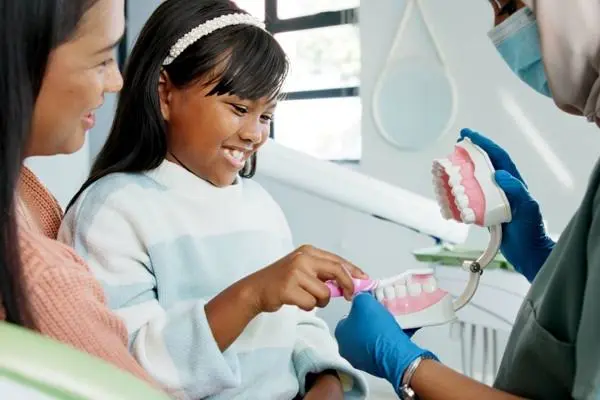
How Pediatric Dentistry Builds Positive Dental Habits In Children
You brush, you remind, you buy the kid toothpaste, and somehow teeth brushing can still turn into a nightly standoff. A lot of parents know this routine. One skipped brushing turns into another, a child gets nervous about the dentist, and suddenly oral care feels heavier than it should. That is where pediatric dental care helps, especially for families seeking pediatric dentistry in Greenwich Village, NYC. It does more than check for cavities. It shapes the way children think about their mouths, their routines, and their comfort with care.
How Pediatric Dentistry Builds Positive Dental Habits In Children comes down to repetition, trust, and timing. Children who feel safe in the dental chair are more likely to keep up with brushing, flossing, and regular visits at home. When a dentist speaks in a way a child understands, fear drops and cooperation grows. Those early patterns often stay with them for years.
Pediatric dentistry turns early dental visits into normal life
Children read the room fast. If dental visits feel tense, rushed, or painful, they remember that. If the visit feels familiar and calm, they remember that too. A pediatric dentist is trained to meet children where they are, whether that means a toddler who refuses to open their mouth or a school age child who is embarrassed about a cavity.
The difference matters because habits are not built through instructions alone. They are built through repeated experiences. A child who hears, “Your teeth matter, and this is a safe place,” starts to connect oral care with confidence instead of stress. That changes what happens at home. Brushing becomes part of the routine, not a threat or punishment.
Research supports the value of regular dental care for children. The National Institute of Dental and Craniofacial Research reports that dental visits for children have increased with support for pediatric providers, which reflects growing awareness that early care helps prevent bigger problems later.
Positive dental habits in kids start with trust, not pressure
Parents often feel they should be able to handle brushing struggles on their own. That pressure gets old fast, especially when a child clamps their mouth shut or cries before every appointment. The problem is not always the toothbrush. Sometimes the child is overwhelmed by texture, sound, taste, or fear of being judged.
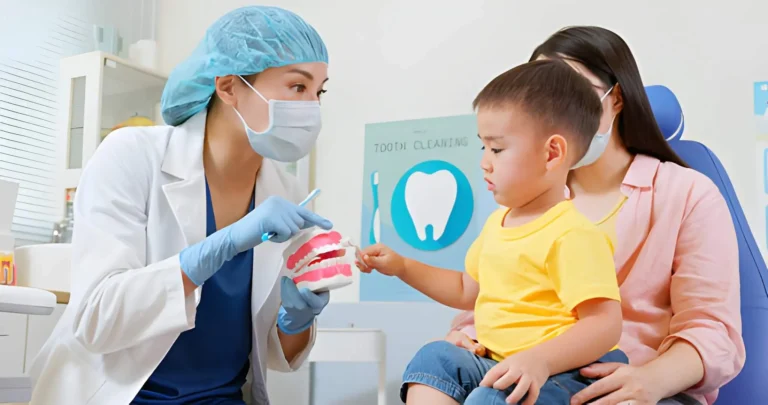
A pediatric dentist can spot those patterns early. They know how to explain plaque in simple words, show brushing techniques without shame, and give a child small wins that build pride. A child who hears, “You did a good job opening wide,” often responds better than one who hears, “If you do not brush, your teeth will rot.” Fear may get short term compliance. It rarely builds a healthy long term habit.
Children’s dental habits also improve when parents get clear guidance. You may be wondering whether your child is brushing long enough, using too much toothpaste, or ready to floss. Reliable public health guidance helps cut through the noise. The CDC shares oral health tips for children that support daily prevention at home, including brushing twice a day with fluoride toothpaste and starting flossing when teeth touch.
Small dental problems can shape behavior long before they become serious
A child with tooth pain may stop chewing on one side. A child with sensitivity may rush through brushing because it hurts. A child who feels embarrassed about their teeth may smile less and avoid speaking up. These are not small issues in a child’s world. They affect comfort, sleep, mood, and confidence.
Early visits allow a pediatric dentist to catch these issues before they grow. That includes cavities, enamel wear, bite concerns, and habits like thumb sucking that can affect development. It also gives children repeated exposure to a care setting that feels routine instead of scary. That is one reason pediatric oral health care has such a strong effect on long term habits. Prevention is not only about avoiding treatment. It is about protecting the child’s relationship with care itself.
Daily home care and pediatric dentist visits work better together
| Approach | What It Helps With | Limits |
|---|---|---|
| Home brushing and flossing only | Builds routine, removes daily plaque, teaches independence | Misses hidden decay, technique problems, and early bite or gum issues |
| Regular visits to a pediatric dentist only | Professional exams, cleanings, fluoride, behavior support, early treatment | Cannot replace daily care at home between visits |
| Home care plus regular pediatric dental visits | Stronger habits, earlier detection, less fear, fewer major problems over time | Requires consistency from both parents and providers |
Children do best when home care and professional care support each other. A parent sets the rhythm each day. A pediatric dentist reinforces the why, corrects the how, and helps the child feel capable. That partnership reduces the chance that brushing becomes a battle built on confusion or fear.
Simple steps help children build better dental habits
Make brushing predictable. Keep brushing at the same times every day, usually after breakfast and before bed. Young children do better with routine than negotiation. Use a timer, a song, or a visual chart if that helps, but keep the message steady. This is what we do, not what we debate.
Choose language that lowers shame. If your child has a cavity or resists brushing, avoid framing it as failure. Say, “We are going to help your teeth get stronger,” instead of, “You did not take care of your teeth.” Children are more open to change when they do not feel blamed.
Schedule regular visits before there is a problem. A child who only sees a dentist during pain learns to link dental care with distress. Routine checkups teach the opposite lesson. They make the dental office part of normal health care, like wellness visits or vision checks.
Healthy dental habits in children often begin earlier than parents expect
Many parents wait until there is a visible problem, a complaint of pain, or a school reminder. By then, the child may already associate oral care with discomfort. Earlier support gives you a better shot at building calm, familiar routines from the start. That is the real value of a pediatric dentist. It is not only treatment. It is guidance that fits a child’s age, temperament, and stage of development.
Children do not need perfection to build strong habits. They need repetition, support, and a care team that knows how to make dental health feel manageable. If brushing has become stressful or visits have been delayed, you are not behind forever. A better routine can start with the next appointment.