Preventive Maintenance Strategies for Commercial Fleet Diesel Engines
Maintaining diesel engines across a commercial fleet demands a disciplined program that balances uptime, cost control, and engine longevity. Diesel powerplants are durable but sensitive to neglect; small issues left unattended can escalate into expensive repairs or extended downtime. A preventive maintenance strategy rooted in regular inspections, predictive diagnostics, and consistent service standards will keep engines running reliably while optimizing fuel consumption and regulatory compliance.
Establish a Consistent Inspection Cadence
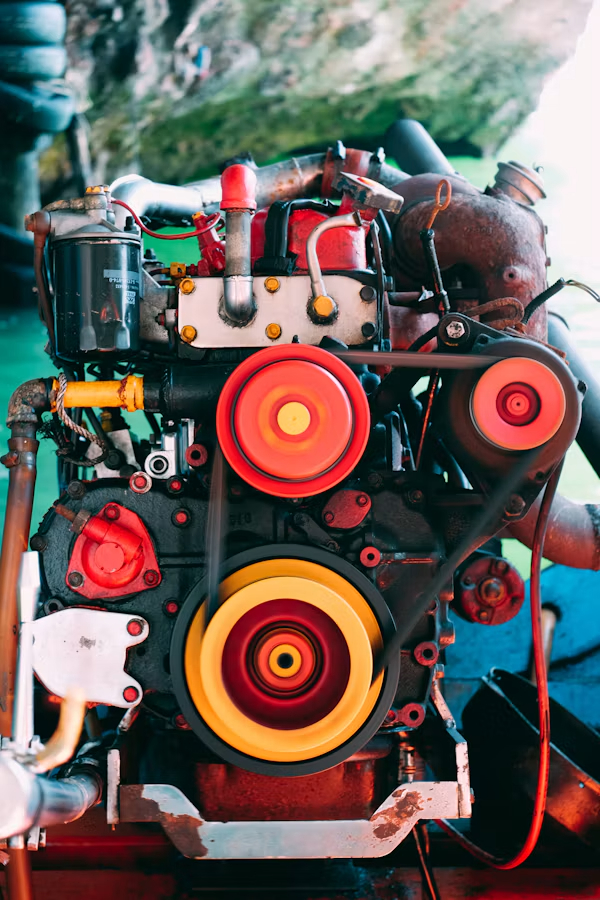
The foundation of preventive maintenance is a consistent inspection schedule tailored to operating conditions. Daily walk-arounds identify immediate safety and fluid concerns, but scheduled inspections at mileage or hour intervals catch wear trends. Create checklists that include oil and coolant levels, belt and hose condition, air intake cleanliness, visible leaks, and battery terminals. Inspection data should be recorded in a central system so patterns are visible and attention can be directed to units showing early signs of distress.
Use Fluid Analysis and Scheduled Changes
Oil and coolant are the lifeblood of a diesel engine. Regular oil analysis provides actionable intelligence about engine wear, contamination, and fuel dilution well before gauges or performance shifts become obvious. Use oil analysis to set individualized oil change intervals rather than relying solely on manufacturer mileage recommendations. Coolant testing uncovers corrosion, pH drift, and freeze/boil protection loss and should be part of a scheduled management program. Maintaining correct fluid chemistry reduces corrosion and extends component life.
Prioritize Fuel and Air System Health
Fuel quality and air filtration directly affect combustion efficiency and emissions systems. Replace air filters according to condition rather than a fixed timetable in dusty environments. Monitor fuel filters for water and particulates and schedule pre-filters in high-risk zones. Fuel system maintenance extends to injector testing and fuel pump checks; poor atomization increases soot, which accelerates wear and clogs aftertreatment devices. Keep fuel tanks clean and, where possible, implement filtration at the point of fueling.
Protect Aftertreatment and Exhaust Components
Modern diesel engines rely on emission control systems such as particulate filters, diesel oxidation catalysts, and selective catalytic reduction modules. These systems are expensive and sensitive to improper maintenance practices. Preventative strategies include ensuring proper engine tuning to avoid excess soot, using correct lubricant and fuel specifications to reduce ash accumulation, and monitoring regeneration cycles for diesel particulate filters. When downtime is necessary, plan repairs to minimize stress on emission components and prevent cascading failures.
Monitor Turbochargers and Cooling Systems
Turbochargers amplify power and efficiency but are vulnerable to oil contamination and abrupt thermal changes. Establish warm-up and cool-down routines for heavy duty cycles, and inspect turbocharger housings and bearings during scheduled services. Cooling system maintenance goes beyond coolant level checks: thermostat operation, radiator fin condition, hose integrity, and water pump performance all influence engine temperatures. Overheating accelerates head gasket failure and warpage; proactive cooling system service pays for itself in avoided major repairs.
Integrate Telematics and Predictive Diagnostics
Telematics and engine diagnostic tools transform reactive maintenance into predictive action. Real-time data on engine load, fuel consumption, fault codes, and idle time allows fleet managers to prioritize service before critical thresholds are crossed. Use analytics to identify units with abnormal fuel burn or frequent diagnostic trouble codes, then route those vehicles to targeted inspections. Predictive maintenance reduces unplanned downtime by catching anomalies early and enables parts ordering and labor planning in advance.
Maintain Electrical and Starting Systems
Electrical failures are a common cause of sudden immobilization. Battery health, alternator output, starter condition, and wiring integrity deserve regular testing. Corroded terminals and parasitic drains can leave operators stranded even when the engine is mechanically sound. Include standardized battery testing in your maintenance checklist and ensure charging systems are tested under load. Proper mounting and vibration protection extend the life of electrical components in rugged service.
Standardize Procedures and Train Technicians
Consistency in maintenance requires standardized procedures and well-trained technicians. Develop clear service protocols that describe inspection steps, torque specifications, and diagnostic sequences. Invest in ongoing training to keep technicians current with evolving diesel technologies and emission systems. Cross-train staff so coverage is available during peak demand or technician absences, and document all repairs and adjustments in a centralized maintenance history for each vehicle.
Plan Parts Inventory and Vendor Relationships
A strategic parts inventory reduces turnaround time for common repairs, but carrying too much stock can tie up capital. Analyze failure patterns and stocking levels to maintain parts that most frequently prevent downtime, including filters, belts, hoses, gaskets, and common wear items. Cultivate relationships with suppliers and authorized service centers for quicker access to specialty parts and warranty support. Partnering with a reliable heavy duty truck repair provider can also help fleet operators address complex engine issues, access specialized diagnostic equipment, and minimize extended vehicle downtime. Where outsourced services are used, establish service-level agreements to ensure consistent response times and quality.
Schedule Downtime and Align with Operations
Preventive maintenance must be coordinated with operational needs to minimize the impact on revenue. Create maintenance windows aligned with lower demand periods and rotate vehicles so that work can be performed without disrupting service. Use phased overhauls for heavy-duty units and plan major engine work during predictable lulls. Communicate schedules with dispatch and drivers so inspections and repairs occur with minimal disruption.
Continuous Improvement and Metrics
A successful maintenance program measures more than completed work orders. Track metrics such as mean time between failures, unscheduled downtime hours, total fuel consumption per vehicle, and maintenance cost per mile. Use these metrics to refine inspection intervals, parts stocking, and technician allocation. Conduct periodic reviews of the program with operations and finance teams to align maintenance strategy with business goals.
A disciplined preventive maintenance approach reduces the frequency and severity of engine failures, extends component life, and preserves fleet value. By combining routine inspections, fluid analysis, telematics, trained technicians, and strategic parts management, fleet operators can maximize engine uptime while controlling maintenance costs. Practical planning and continuous refinement turn maintenance from a reactive burden into a strategic advantage for any commercial fleet.
Read more: BDG Game: A Dynamic Platform for Interactive Fun – Celebre Buzz
BDG Game: A Dynamic Platform for Interactive Fun – Celebre Buzz
BDG Login: Your Gateway to a Personalized Experience – Celebre Buzz