Reclaiming Daily Energy Through Low-Impact Indoor Workouts
Feel tired by 2pm every day?
You’re not alone. Energy depletion is a fact of modern life. Too many hours at work, staying up late, and staring at screens all day. Your body feels tired before noon.
Here’s the kicker…
Low-impact workouts you can do indoors can change that narrative. They’re easy on your joints, can be done on your busiest days and have been shown to increase your daily energy. The best part? You don’t need access to a gym or equipment.
This manual explains how you can use gentle low impact exercise to feel clearer, stronger and more energized every day.
What you’ll discover:
- Why Energy Crashes Are So Common
- The Best Home Equipment For Daily Energy
- How To Build A Routine That Sticks
- Common Mistakes That Stall Progress
Why Energy Crashes Are So Common
Most adults spend hours sitting every single day.
Whether you’re sitting at a desk, in your car or on the couch, modern lifestyles demand we sit still. Our bodies weren’t made to do that. Prolonged sitting decreases circulation, loosens muscles and drains energy. And the chronic effects are far worse.
According to the CDC, 8.3% of adult deaths were caused by physical inactivity. That’s a huge amount for something that is 100% preventable.
Solution: Move more. Move often. You don’t have to push yourself to the limit to see gains.
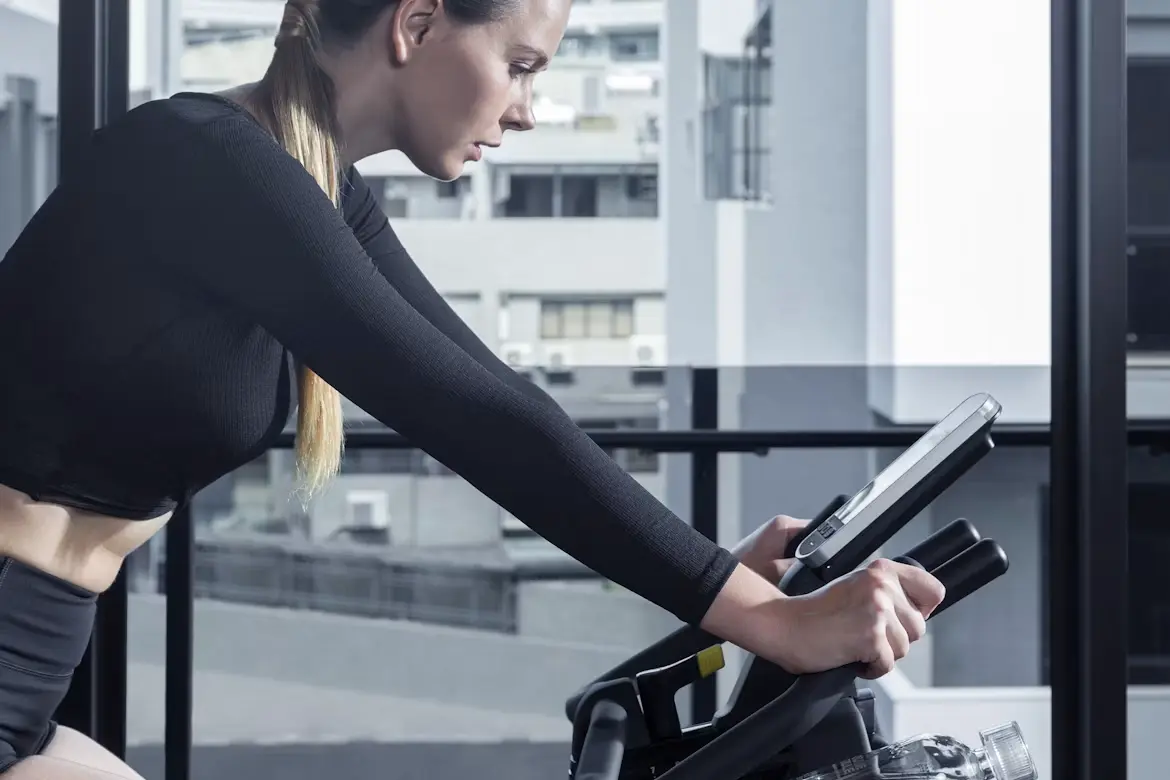
One of the simplest pieces of equipment to break a sedentary lifestyle is a home exercise bike. Pedal lightly while watching television, taking a phone call or listening to a podcast. Eliminate all excuses you’d typically use to avoid exercise.
Another perk of a good exercise bike is that it is easy on the knees, hips and back. If you have injured yourself from running or jumping, this is a great method to stay active pain free.
Why Low-Impact Workouts Beat Burnout
Most people think more sweat means more results. But that’s not always true.
High-intensity exercise can leave you drained, not energized. Particularly if you’re starting from a place of exhaustion. Low impact exercise has a different methodology. It gently cultivates strength and energy without stressing the nervous system or destroying joints.
Here are the biggest benefits:
- Improved mood and reduced stress
- Lower blood pressure and better heart health
- Stronger bones and muscles
- Easier recovery between sessions
- Less risk of injury long-term
Exercise like cycling has proven to have incredible longevity. Studies have indicated that consistent cycling can reduce mortality rates by 24% among diabetics. Do this for 5 years and you’ll see that number rise even further.
The best news? Most low-impact exercise can be done at home. No driving. No waiting for equipment. Just some room and an exercise bike for the home.
Why The Stationary Bike Is The Best Home Option
Why do so many fitness experts recommend buying a stationary bike for home over other exercise equipment?
It’s the perfect mix of effort and recovery.
Spin lightly for 30 minutes and barely sweat. Increase resistance for a heart rate soaring workout that won’t upset your joints. That’s the type of flexibility that matters over time.
Here’s why it works so well for daily energy:
- Steady pedalling boosts blood flow to the brain
- Regular sessions improve sleep quality
- The rhythmic motion lowers stress hormones
- It builds leg strength without heavy lifting
Stationary bikes also save you MASSIVE amounts of time. You don’t have to travel to and from the gym. There’s no lengthy setup. You don’t have to wait for good weather. 6am or 10pm workouts are the exact same. Consistent convenience like that is golden when you have a lot on your plate.
How To Build A Routine That Sticks
Building a routine is where most people get stuck.
Day one they’re full steam ahead. Day five they hit the wall and never recover. Does this sound like someone you know?
The trick is to start small. Really small.
Try starting with ONLY 10 minutes per day. Seriously. When 10 minutes becomes easy, increase to 15. Then increase to 20. Then 30. Gradually increasing your time is the key to forming lasting habits. Your body will adjust and your mind will no longer rebel against exercise.
Here are a few tips that make routines stick:
- Pick the same time of day every day
- Place your equipment somewhere you can see it
- Listen to a podcast or audiobook while you ride
- Track each session so you can see progress
Regularity trumps intensity all day long. Better to squeeze out 20 minutes/day, 5 days a week… than 90 minutes once per week. Your body thrives on rhythm and so does your energy system.
Common Mistakes That Stall Progress
All good low impact plans eventually stall. Typically due to one or more of these common errors.
Mistake #1: Skipping warm-ups
Jumping into exercise without a warm-up can cause soreness, stiffness and decreased performance. Cycle slowly for 3-5 minutes before increasing your intensity.
Mistake #2: Ignoring recovery
Recovery is when your body gets stronger. If you don’t take rest days you’ll feel more tired, not less. Schedule at least one complete rest day every week.
Mistake #3: Eating poorly
You cannot exercise away a poor diet. Lack of energy comes from poor diet most of the time. Eat whole foods, lean protein, and drink water all day long.
Mistake #4: Setting goals that are too big
Big goals are nice. However unreachable goals can kill momentum quickly. Create small victories and work your way up. You will be amazed by your progress.
Avoid these mistakes and your daily energy will climb week after week.
Final Thoughts
Reclaiming daily energy isn’t about grinding harder. It’s about working smarter.
Low-impact indoor workouts give you the best of both worlds:
- Real results
- Minimal joint stress
- Sustainable long-term progress
Investing in an at home exercise bike is one of the simplest ways to ensure this happens. Begin with baby steps, remain consistent and you’ll see how different you will feel in a few short weeks. You’ll be more focused at work, more relaxed at home and ready to take on anything that comes your way.
To quickly recap:
- Low-impact training is gentle but powerful
- Cycling at home is one of the best options
- Start small and build slowly
- Avoid the common mistakes that stall progress
Make movement a daily habit and the energy will follow.
Also Read-Personalized Addiction Recovery Services for Lasting Health Outcomes