
Risk Management for Outdoor Equipment and Leisure Activities
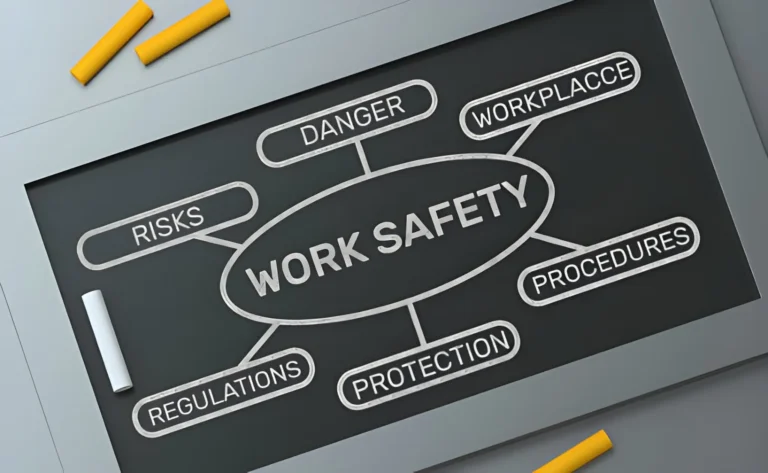
Outdoor equipment and leisure activities bring people together, promote health, and create memorable experiences. They also introduce a range of risks that vary with environment, participant skill levels, equipment condition, and weather. Effective risk management balances enjoyment with safety through careful planning, consistent equipment care, and clear communication. This article explores practical strategies to reduce hazards and protect participants, property, and organizations that run outdoor programs.
Understanding the Risks
Every outdoor activity carries its own profile of hazards. High-adrenaline pursuits like rock climbing and white-water rafting have obvious exposure to falls and drowning, while seemingly low-risk activities such as group picnics may present food safety or allergic reaction concerns. Equipment failure is a recurring source of incidents: improperly maintained ropes, worn lifejackets, or rusted carabiners can transform a routine outing into an emergency. Environmental factors amplify these dangers. Sudden weather changes, unstable terrain, and wildlife encounters are all variables that must be assessed before and during an activity. A risk-aware approach begins by cataloging potential threats, estimating their likelihood, and considering the severity of their consequences.
Preventive Maintenance and Inspection
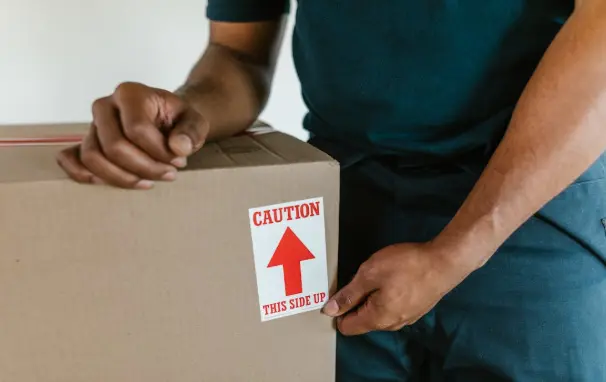
A systematic maintenance program is the foundation of equipment safety. Create written schedules for inspection, cleaning, and replacement that reflect manufacturer recommendations and the intensity of use. Visual inspections should be conducted before each use to catch obvious defects like tears, frayed stitching, or corrosion. More thorough periodic checks can involve functional tests and professional servicing for complex items such as powered winches or inflatable craft. Labels or logs attached to equipment help track usage and repair history, ensuring older or damaged gear is retired in a timely manner. Investing time in preventive care reduces the probability of mid-activity failures and extends the useful life of assets.
Training and Competency
Competency is more than a checklist; it is an ongoing process of skill development and evaluation. Leaders and staff should receive training that covers both technical skills—such as knot-tying, navigation, or first aid—and soft skills like risk assessment and group management. Skills decay over time, so periodic refreshers and scenario-based drills keep teams sharp. For volunteer-run programs, standardize training requirements and document certifications. Encourage a culture where participants are encouraged to ask questions and where staff perform peer reviews. When participants have varied experience, structured briefings that set clear expectations and explain safety controls help align everyone’s understanding of acceptable behavior and emergency protocols.
Emergency Planning and Response
Even with careful planning, incidents can occur. An effective emergency plan maps out likely scenarios and the practical steps to address them. Establish clear communication channels, designate roles, and ensure access to reliable methods for calling for help. Emergency kits should match the environment and activity, containing items such as wound-care supplies, thermal blankets, signaling devices, and water purification tablets when appropriate. A well-rehearsed evacuation route, knowledge of the nearest medical facilities, and contingency plans for adverse weather should be part of pre-activity briefings. Documentation of these plans, and after-action reviews following any incident, create institutional learning that improves response over time.
Legal Considerations and Insurance
Liability exposure arises from both accidents and perceived negligence. Clear waivers and informed-consent forms can set expectations, but they are not a substitute for diligent safety practices. Policies on participant eligibility, supervision ratios, and minimum skill requirements should be written and consistently enforced. For many organizations, it is wise to purchase recreation insurance as part of a broader coverage strategy that may also include property, professional liability, and volunteer insurance. Work with an insurance advisor who understands outdoor programs to tailor coverages and limits to your specific risks. Keep all safety records, incident reports, and equipment logs organized; insurers and regulators will expect evidence that reasonable precautions were taken.
Communication and Participant Briefings
Effective communication reduces misunderstandings that lead to harm. Pre-activity briefings should cover route plans, expected conditions, hazards to watch for, and the behavior standards required for safety. Use multiple formats—verbal briefings supported by written materials or visual diagrams—to ensure comprehension across different learning styles. Encourage questions and confirm participant readiness, including any medical conditions or medications that staff should be aware of. During activities, maintain a clear chain of command and signals for stopping or changing course. After every outing, solicit participant feedback to uncover latent hazards or procedural gaps.
Implementing a Risk Management Plan
A formal risk management plan turns good intentions into consistent practices. Begin by conducting a risk assessment for each activity and equipment type, ranking hazards by probability and impact. From there, define control measures that can eliminate, reduce, or transfer risk. Assign responsibilities, set timelines for implementation, and establish metrics to monitor effectiveness. Regularly review and update the plan to reflect new equipment, regulatory changes, or lessons learned from incidents. Embedding risk management into organizational culture ensures that decisions are made with safety in mind without sacrificing the spontaneity and enjoyment that draw people outdoors.
Risk management for outdoor equipment and leisure activities is not about eliminating adventure; it is about enabling safe, sustainable participation. With clear policies, regular maintenance, competent leadership, and thoughtful planning, organizations and individuals can minimize preventable harm while preserving the freedom and fulfillment that outdoor pursuits provide.
Also Read