
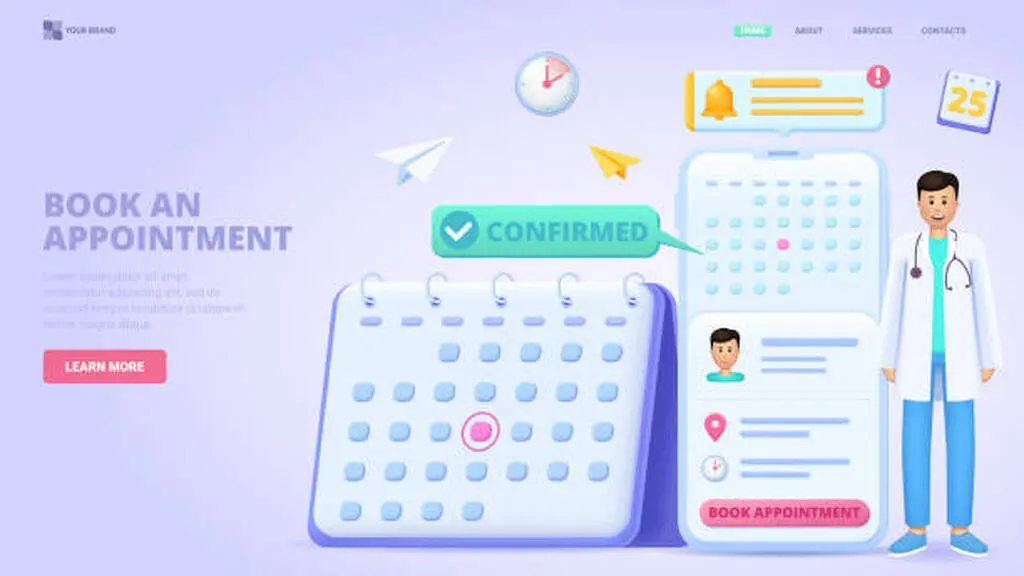
Telemedicine has evolved from a niche convenience to a core pillar of modern healthcare. What began as an alternative for rural communities and time-strapped patients has now transformed into a full ecosystem of remote care, virtual consultations, and digital patient engagement. At the center of this transformation lies one essential technology: appointment scheduling software. As healthcare becomes increasingly digital, scheduling tools are no longer optional—they are the backbone of patient-provider interactions, driving accessibility, reducing friction, and supporting scalable telehealth operations. Platforms like Vosita, which specialize in seamless online scheduling and telehealth appointments, are shaping the future of how patients access care.
In this article, we will explore how appointment scheduling software fuels the growth of telemedicine, why healthcare providers rely on it, and how systems like Vosita are elevating the entire experience for both patients and clinics.
The Rise of Telemedicine: A New Healthcare Normal
Telemedicine experienced explosive growth during the COVID-19 pandemic, but even after the crisis eased, demand never disappeared. Patients discovered convenience. Providers discovered efficiency. And both sides realized that remote care could solve longstanding healthcare barriers—like long travel times, provider shortages, scheduling conflicts, and clinic bottlenecks.
Today, telemedicine is not just an temporary solution—it’s a strategic asset. Hospitals, private practices, urgent care clinics, mental health specialists, and even dentists now use virtual visits to expand reach and meet growing patient expectations.
But for telemedicine to operate successfully, it needs more than video platforms. It requires frictionless scheduling, automated reminders, virtual visit links, and real-time availability. Without this, even the most advanced telehealth platform can feel chaotic.
This is where appointment scheduling software steps in.
Why Appointment Scheduling Software Matters in Telemedicine
1. It Eliminates Administrative Overload
Before digital scheduling, clinic staff spent hours each day answering phone calls, verifying availability, and manually booking appointments. In telemedicine, this problem is amplified—patients need email confirmations, virtual visit links, and reminders to prepare for online consultations.
Appointment scheduling software automates all of this:
- Shows real-time provider availability
- Confirms appointments instantly
- Sends automated reminders
- Provides telemedicine visit links
- Helps staff focus on more important tasks
Platforms like Vosita offer a fully automated workflow, enabling clinics to cut down administrative tasks and eliminate the inefficiencies of phone-based systems.
2. It Increases Patient Satisfaction and Retention
In the digital age, patients expect fast, effortless access to medical services. With online scheduling:
- They can book an appointment anytime—24/7
- They don’t need to wait on hold
- They can compare multiple providers
- They receive instant confirmations and reminders
Telemedicine becomes far more appealing when booking is easy. For busy professionals, parents, elderly individuals, or those in remote areas, this convenience can be life-changing.
Vosita takes this experience further by allowing patients to filter providers based on specialty, insurance, location, language, and telemedicine availability—all in one platform. This makes it easier for patients to choose the right doctor and feel confident in their care.
3. It Expands Access to Remote Care
Telemedicine is only useful when patients can actually connect with the right providers—and that starts with scheduling. With online systems:
- Providers can offer expanded hours
- Patients can book virtual visits beyond geographic restrictions
- Clinics can reach underserved communities
- New patients can discover doctors they otherwise wouldn’t find
Vosita’s search-and-book system helps people locate in-network healthcare providers nearby or online, making it particularly valuable for communities with limited access to specialists.
4. It Reduces No-Shows and Last-Minute Cancellations
No-shows are one of the biggest challenges in healthcare, costing providers billions annually. Telemedicine no-shows can be even more frequent if patients forget to attend or lose the meeting link.
Appointment scheduling software directly solves this problem with:
- Automated SMS/email reminders
- Instant rescheduling options
- Easy cancellation processes
- Direct access to virtual visit links
Vosita integrates telehealth links directly into its appointment confirmations and reminders, ensuring patients never lose access or forget their visit.
5. It Supports Multi-Provider and Multi-Location Practices
Large organizations—like hospital systems, mental health networks, and specialty clinics—often struggle to coordinate appointments across many providers.
Modern appointment scheduling software includes:
- Multi-provider calendar syncing
- Location-based scheduling
- Real-time availability tracking
- Telemedicine vs. in-person appointment types
Vosita supports all of these features, allowing practices to manage both in-person and virtual consultations efficiently without switching systems or relying on multiple tools.
How Appointment Scheduling Software Drives Telemedicine Growth
1. Scalability for Healthcare Providers
Telemedicine adoption rises when clinics can handle higher patient volume without overwhelming staff. Online scheduling automates 60–70% of routine tasks, enabling providers to:
- Accept more virtual visits
- Reduce administrative expense
- Focus more on patient care
- Operate efficiently even during peak hours
Scheduling software essentially becomes the engine that powers telehealth expansion.
2. Enhanced Patient Engagement and Communication
Telemedicine requires strong communication—before, during, and after the appointment. Appointment scheduling software delivers structured patient engagement through:
- Preparation instructions for virtual visits
- Reminder notifications
- Follow-up care scheduling
- Post-appointment reviews
Vosita also supports secure communication flows, helping patients stay connected throughout their care journey and improving overall engagement.
3. Control Over Appointment Types and Workflows
Providers can easily set:
- Virtual vs. in-office availability
- Appointment duration (15, 30, or 60 minutes)
- Telemedicine-specific time slots
- Recurring availability schedules
- Restrictions for certain types of visits
This flexibility ensures telemedicine is executed smoothly rather than chaotically.
4. Better Data, Reporting, and Decision-Making
Scheduling software gives clinics valuable analytics:
- Appointment volume
- Peak booking times
- No-show rates
- Provider efficiency
- Telemedicine vs. in-person visit data
These insights help healthcare organizations refine their telemedicine strategies and allocate resources more effectively.
Vosita: A Leading Example of Smart Telemedicine Scheduling
Among modern scheduling systems, Vosita stands out as a platform designed specifically for patient convenience and provider efficiency. It offers:
- Telemedicine-ready scheduling
- Real-time availability and bookings
- In-network provider search
- Specialty and insurance filtering
- Free booking for patients
- Secure video visit integration
- Easy management for providers across multiple locations
Vosita simplifies the entire appointment lifecycle—from discovery to booking to virtual consultation—making it easier for patients to access care and easier for providers to manage demand. Its dual focus on accessibility and efficiency makes it a powerful driver of telemedicine adoption.
The Future of Telemedicine Depends on Intelligent Scheduling
Telemedicine will continue to expand, but its success hinges on smooth backend support—and appointment scheduling software will remain a core pillar. From reducing administrative burden to improving patient experience, these tools create the infrastructure telemedicine needs to thrive.
Healthcare is moving toward a digital-first model, where convenience and accessibility are essential. Companies like Vosita demonstrate how integrated online scheduling can accelerate telemedicine growth and pave the way for a more efficient, patient-centered healthcare system.
Conclusion
Appointment scheduling software is not just a convenience—it is the foundation of the telemedicine revolution. It empowers clinics to operate more efficiently, helps patients access care with ease, and supports a scalable digital healthcare ecosystem. As platforms like Vosita continue to enhance online booking, telehealth integration, and provider discovery, telemedicine will only become more reliable, more accessible, and more central to everyday healthcare.
Also Read Empowering Transgender Voices: Live Cam Positivity and Mental Health
