
What Makes the Body’s Antioxidant System Essential to Wellness
Your body is constantly under attack. Every day, millions of chemical reactions occur within your cells, and many of them produce unstable molecules called free radicals. These unstable molecules can damage healthy cells, accelerate aging, and contribute to chronic disease if left unchecked. This is where your body’s antioxidant system becomes critical. Antioxidants are molecules that neutralize free radicals before they can cause harm, protecting your cells and supporting your overall health. Understanding how this system works and why it matters can help you make better choices about your health and wellness.
How Free Radicals Form and Damage Cells
Free radicals are byproducts of normal cellular metabolism, but they also come from external sources like pollution, UV radiation, and processed foods. When a free radical encounters a healthy cell, it steals an electron to become stable, which destabilizes that cell in the process. This chain reaction can damage proteins, lipids, and even DNA within your cells. Over time, accumulated free radical damage can lead to inflammation, weakened immune function, and increased risk of serious health conditions. The more free radicals your body produces or is exposed to, the greater the demand on your antioxidant defense system to keep damage under control.
The Primary Antioxidant Enzymes
Your body produces three major antioxidant enzymes that work as the frontline defense against free radical damage. Superoxide dismutase (SOD) converts superoxide, one of the most common free radicals, into hydrogen peroxide and water. Catalase then breaks down that hydrogen peroxide into harmless water and oxygen, completing a two-step neutralization process. Glutathione peroxidase works alongside these enzymes to protect cell membranes and other sensitive structures from oxidative damage. These enzymes are produced naturally within your cells and require specific nutrients and cofactors to function properly. When your body has adequate resources, these enzymes work efficiently to prevent free radical accumulation.
Dietary Antioxidants and Their Role
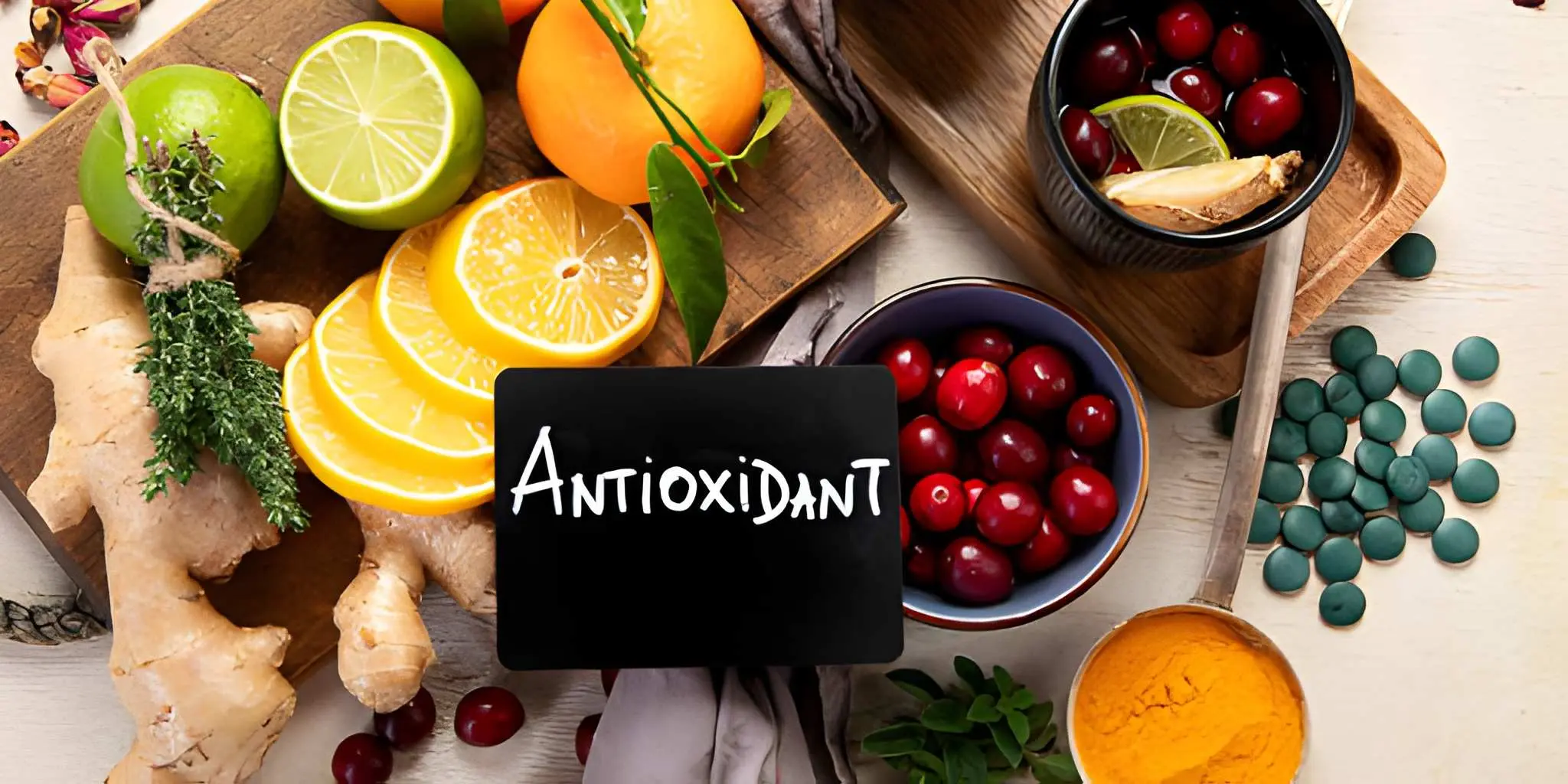
Beyond the antioxidant enzymes your body makes, you obtain additional antioxidant protection from the foods you eat. Vitamins C and E, beta-carotene, selenium, and compounds like polyphenols are powerful antioxidants found in fruits, vegetables, nuts, and whole grains. For example, dark leafy greens contain high levels of antioxidants that support your natural defense system when consumed regularly. Berries, particularly blueberries and blackberries, are rich in anthocyanins, antioxidants that help protect brain cells from oxidative stress. When your diet regularly includes these antioxidant-rich foods, you provide your body with the raw materials needed to maintain optimal antioxidant capacity. Without adequate dietary antioxidants, your internal defenses must work harder and may become overwhelmed.
Supporting Antioxidant System Function
Maintaining a strong antioxidant system requires more than just eating antioxidant-rich foods. Regular physical activity has been shown to enhance your body’s natural antioxidant enzyme production and improve how efficiently these systems operate. Adequate sleep allows your cells to repair damage and restore antioxidant reserves, which is why poor sleep can accelerate aging and disease risk. Chronic stress increases free radical production while simultaneously reducing antioxidant enzyme activity, creating a compounded burden on your defenses. For individuals managing high oxidative loads from intense exercise or environmental exposure, a glutathione supplement can help replenish one of the body’s most critical internal antioxidants when dietary intake alone may fall short. Limiting exposure to environmental toxins like cigarette smoke and air pollution further reduces the external load your antioxidant system must handle.
Signs Your Antioxidant System May Need Support
When your antioxidant defenses become overwhelmed, several signs may emerge that indicate oxidative stress. Persistent fatigue, difficulty concentrating, and slow recovery from exercise can suggest that free radical damage is outpacing your body’s repair capacity. Increased susceptibility to infections may indicate that oxidative stress is compromising immune function. Visible aging signs like wrinkles and age spots can accelerate when free radical damage accumulates in skin cells. Inflammatory conditions such as arthritis or autoimmune diseases are often linked to chronic oxidative stress. Recognizing these signs can motivate you to strengthen your antioxidant system through improved diet, lifestyle choices, and stress management.
Conclusion
Your body’s antioxidant system is a sophisticated, multi-layered defense mechanism that protects your cells from constant free radical assault. This system depends on both the antioxidant enzymes your body produces internally and the dietary antioxidants you consume through food. By understanding how free radicals form, how your body neutralizes them, and what factors support antioxidant function, you gain insight into one of the most fundamental aspects of health and longevity. Supporting this system through proper nutrition, exercise, sleep, and stress management is not a luxury but a necessity for maintaining wellness as you age. The choices you make today about what you eat, how you move, and how you manage stress directly impact whether your antioxidant defenses can effectively protect your cells and keep you feeling vital and healthy for years to come.
Also Read