
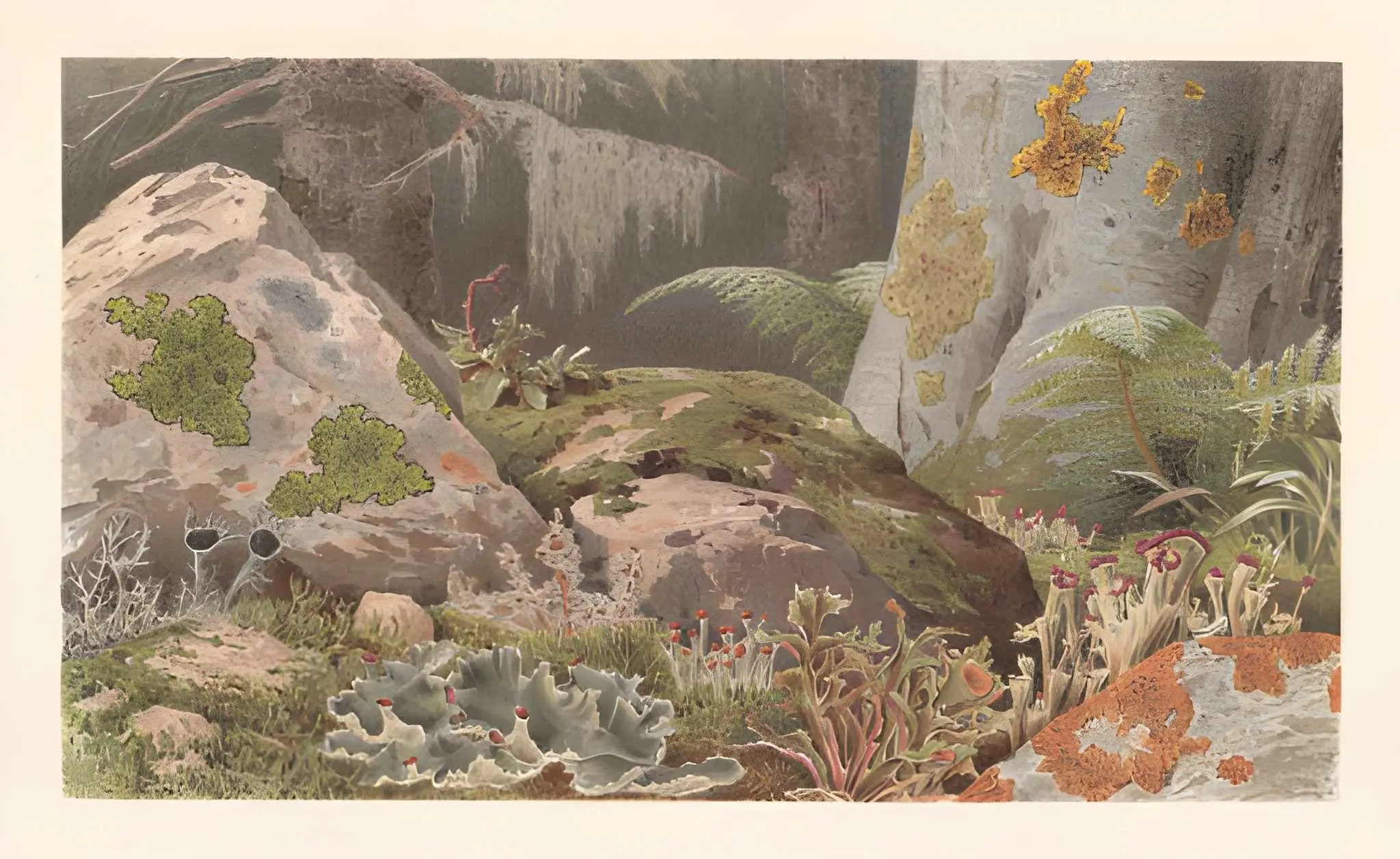
Why Collectors Are Drawn to Monumental Nature Prints
What draws someone to hang a large-scale nature print on their wall and return to it again and again? The answer involves more than aesthetic preference. Collectors seek monumental nature prints for reasons ranging from emotional connection to artistic appreciation to the desire for meaningful investment. These oversized depictions of landscapes, wildlife, and natural phenomena have become central to serious art collecting, occupying space in both residential and commercial settings. Understanding the appeal of these prints reveals much about how people relate to art, nature, and the spaces they inhabit.
The Emotional Impact of Scale
The physical size of monumental nature prints creates an immediate emotional response that smaller artworks cannot replicate. When a print measures four feet wide or larger, it commands attention and presence within a room, transforming not just a wall but the entire viewing experience. Collectors report that standing before a large-scale print of a mountain range, forest, or ocean scene creates a sense of immersion similar to witnessing the landscape itself. This psychological effect stems from how the human brain processes scale, as our eyes and bodies naturally respond more intensely to imagery that approaches life-size proportions.
The emotional connection deepens when the subject matter resonates personally with the collector. Someone who spent childhood summers hiking in alpine regions may feel a profound attachment to a monumental print depicting mountains in similar lighting and weather conditions. This personal resonance turns the print from mere decoration into a touchstone for memory and reflection, and the scale amplifies that connection by making the experience feel more like remembering an actual place. Many collectors describe their large nature prints as windows into formative moments, which explains why they display these works in spaces where they spend the most time.
Artistic Quality and Technical Mastery
Monumental nature prints often showcase exceptional technical skill in both the original artwork and the printing process. Collectors with serious interest in art appreciate the complexity involved in creating images that maintain detail and integrity when enlarged to dramatic dimensions. High-quality printing techniques, whether traditional lithography or contemporary giclée methods, demand precision that speaks to collectors who value craftsmanship. The reproduction of subtle gradations in color, texture, and light across a large format requires both artistic vision and technical expertise.
Artists who create monumental nature works often spend years refining their approach to composition, color theory, and subject selection. A large-scale forest print, for instance, must balance the depiction of thousands of individual trees with an overall sense of cohesion and visual flow. For collectors who pursue large-format landscape work at the highest level of technical execution, Peter Lik photography provides a compelling benchmark for what monumental scale and refined craftsmanship can achieve together. The technical mastery involved becomes part of the work’s value, particularly for collectors who understand the time and skill required to execute such pieces successfully.
Investment Potential and Market Value
Collectors increasingly view monumental nature prints as assets that can appreciate over time, particularly when the artist gains recognition or when editions become rare. Limited edition prints, in which only a specific number of copies are produced, create scarcity that can drive value growth similar to other collectible categories. This investment perspective attracts serious collectors who approach art acquisition strategically, researching artists and market trends before making purchases. The monumental scale of these works often positions them in higher price ranges than smaller prints, reflecting their appeal to collectors with more substantial budgets.
The secondary art market for monumental nature prints has demonstrated resilience and growth in recent years. Collectors who purchased notable prints from emerging artists years ago have seen their investments yield returns, reinforcing the perception that these works hold lasting value. Auction results and gallery sales data show particular strength in prints depicting landscapes from recognized artists or those featuring rare natural phenomena. Beyond monetary return, many collectors view their purchases as cultural preservation, ensuring that important artistic interpretations of nature remain available and valued. This dual motivation combines financial gain with cultural stewardship, making monumental nature print collecting an intellectually satisfying pursuit.
Curatorial Vision and Interior Design Integration
Collectors with sophisticated design sensibilities recognize that monumental nature prints can serve as focal points that anchor entire room compositions. Unlike smaller artworks that complement existing decor, a large-scale print can establish the visual and emotional tone for a space, influencing color palettes, furniture selection, and even lighting design. Interior designers and collectors who think carefully about their environments often build entire rooms around a single significant print, requiring an understanding of how the artwork interacts with architectural features and natural light. This approach transforms collecting from acquisition into curation, with each piece contributing to a larger artistic vision.
Connection to Environmental Consciousness
Many collectors drawn to monumental nature prints express a desire to maintain a visual connection with the natural world in their daily lives. As urbanization increases and outdoor time becomes more limited, large-scale representations of pristine natural environments serve an important psychological function. Collectors often describe their prints as reminders of natural beauty worth protecting, and this environmental consciousness influences not only which prints they choose but also reflects deeper values about humanity’s relationship with nature. Some collectors deliberately seek works that highlight untamed landscapes or endangered ecosystems, using their acquisitions as expressions of commitment to conservation.
Conclusion
The appeal of monumental nature prints to collectors reflects multiple interconnected motivations spanning emotional, artistic, financial, and philosophical dimensions. The scale of these works creates unique psychological impact that smaller artworks cannot achieve, while their technical quality appeals to those who value artistic mastery and craftsmanship. Investment potential attracts serious collectors approaching art acquisition strategically, and the capacity of monumental prints to anchor interior spaces appeals to those with curatorial vision. Beyond these practical considerations, collectors are drawn to nature prints because they maintain connection to natural beauty, express environmental values, and create daily touchstones for reflection and appreciation. Understanding these varied motivations reveals that the popularity of monumental nature prints represents far more than a design trend; it reflects fundamental human needs for beauty, meaning, and connection to the natural world.
Also Read